
SUBCON

Manual Milling Services

Manual Milling Services Overview

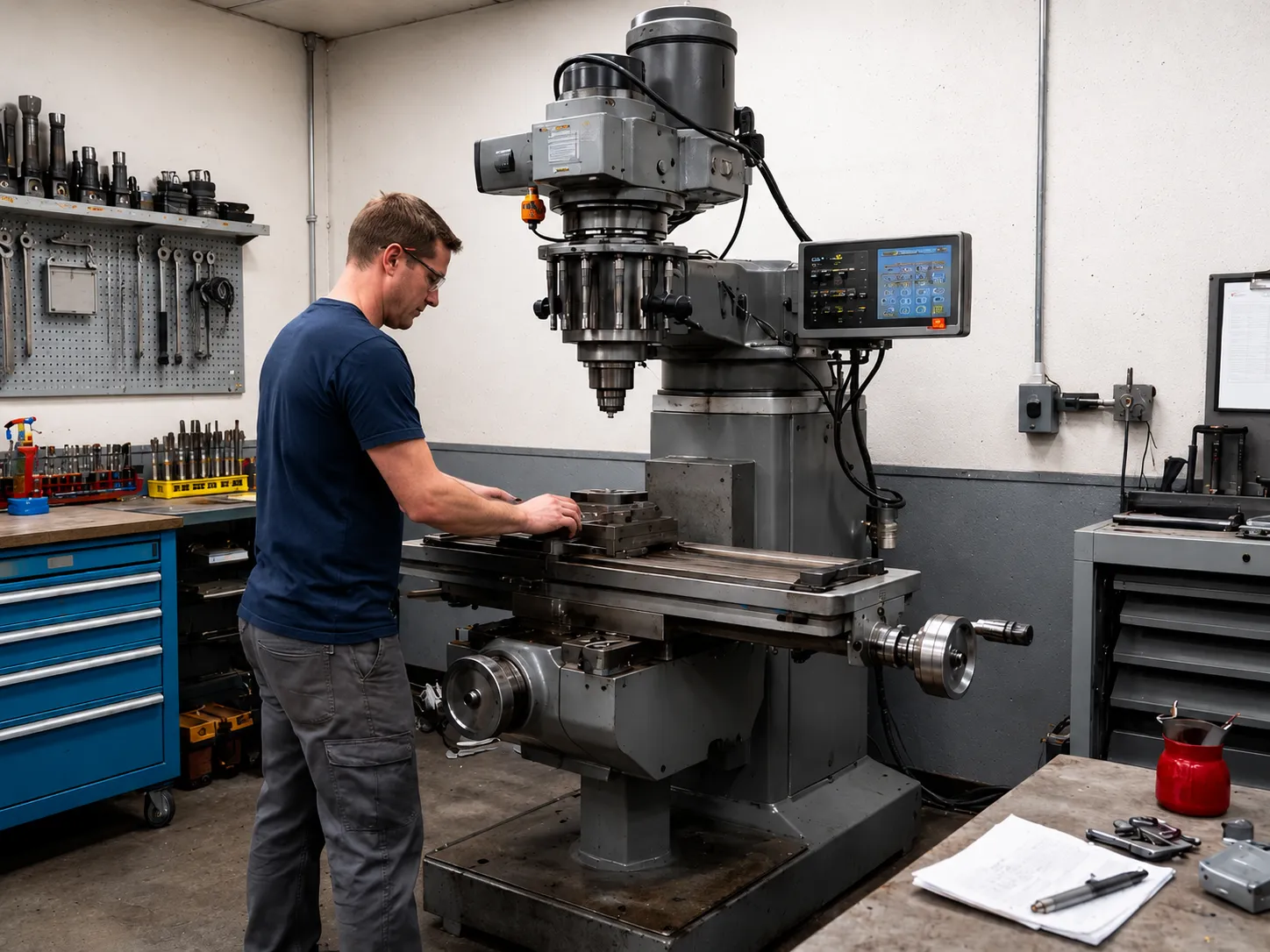
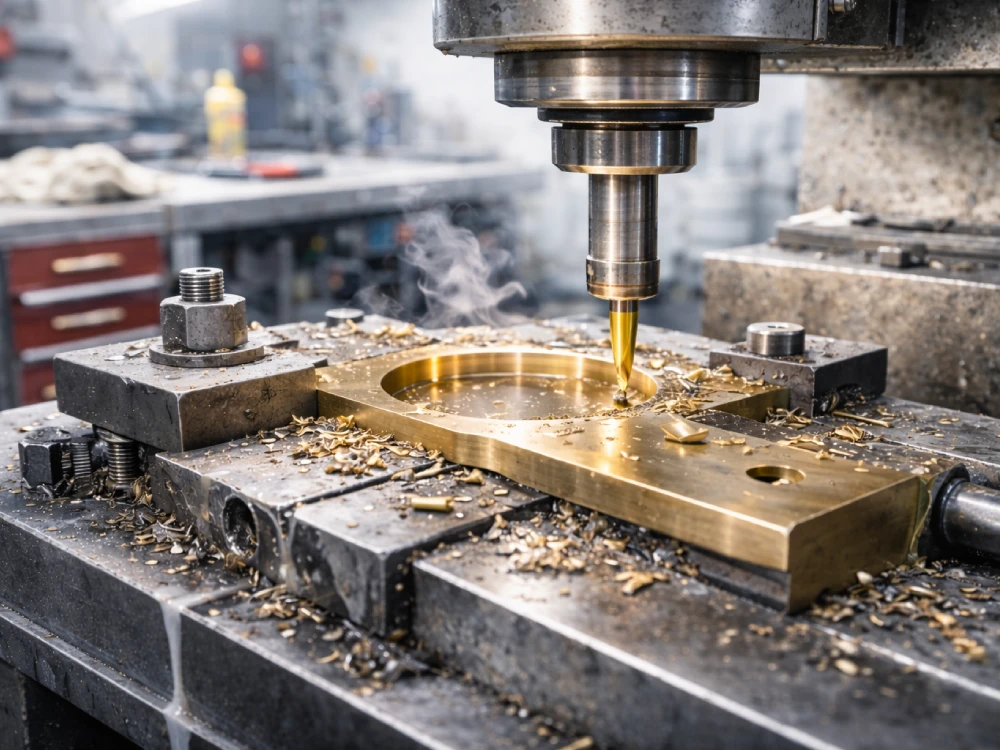
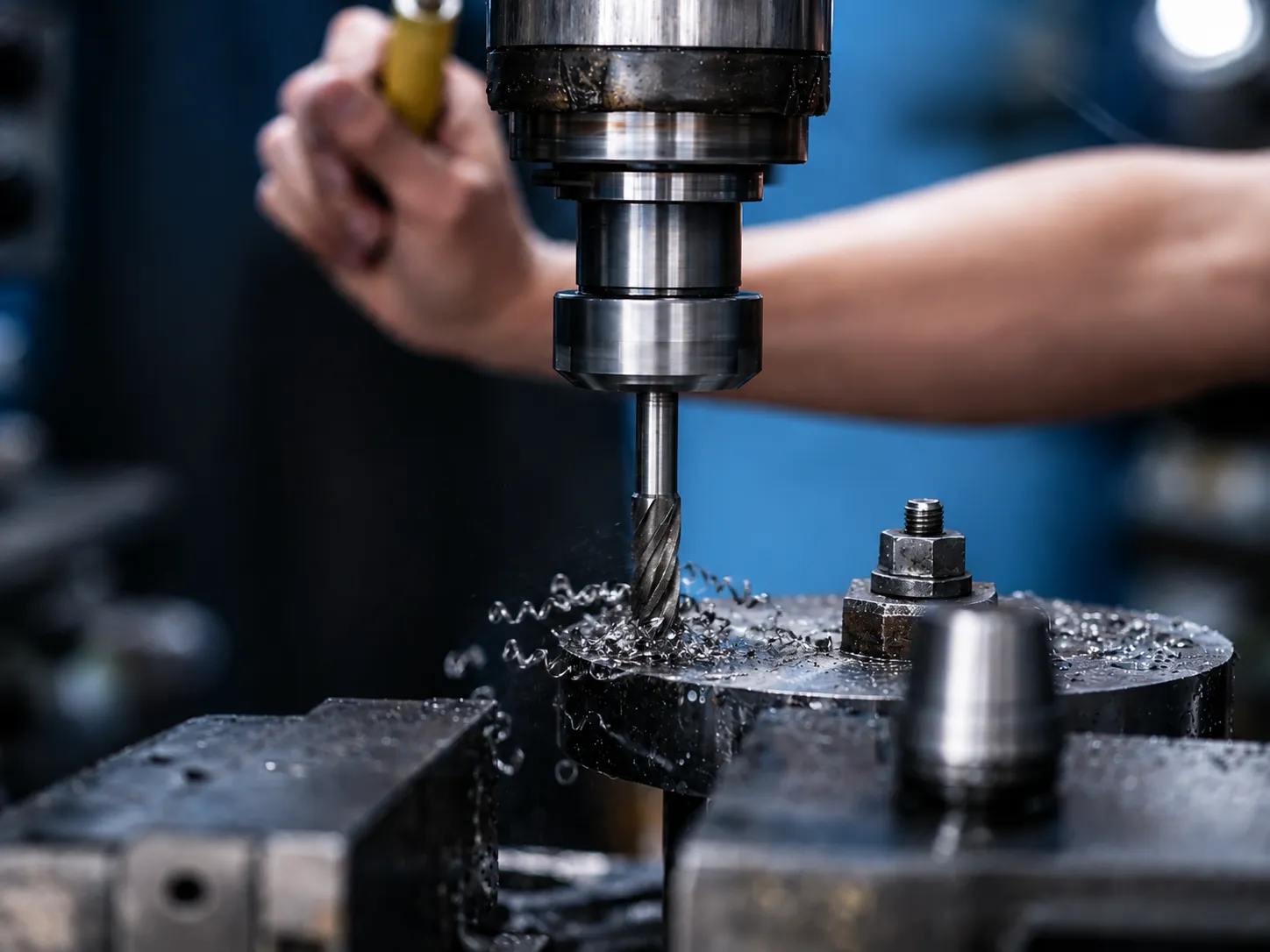
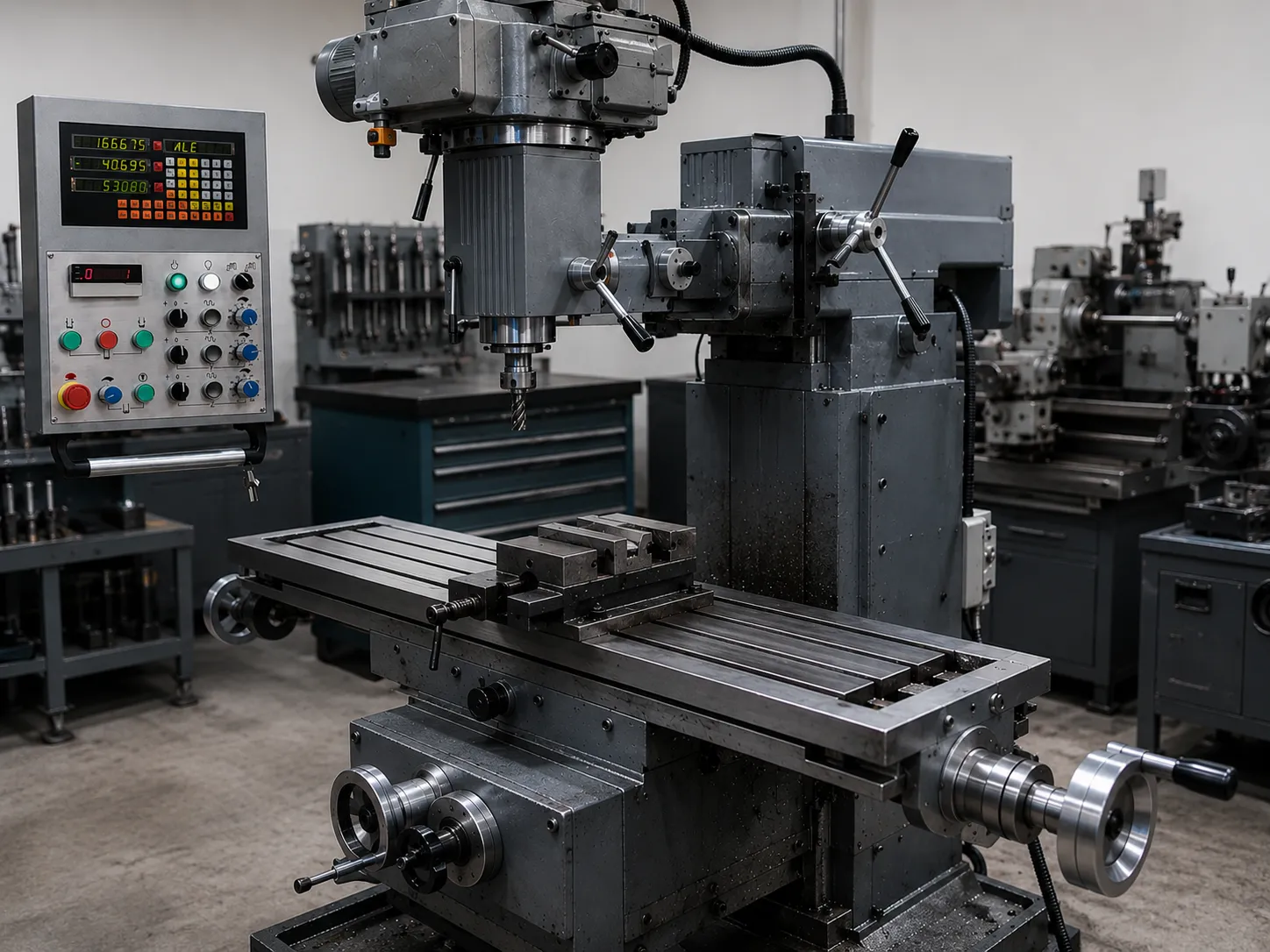
Manual milling services remain an important part of precision engineering, offering flexibility, hands-on control, and technical adaptability that complement CNC machining. Manual milling uses conventional milling machines operated by skilled machinists to remove material from a fixed workpiece using rotating cutting tools. While CNC milling dominates high-volume and complex production, manual milling continues to provide value for low quantities, bespoke components, rapid turnaround, and applications requiring operator judgement.

Skilled Engineering Expertise

Subcon’s manual milling services are delivered by experienced engineers with a strong understanding of machining principles, tooling, and material behaviour. This expertise allows components to be produced efficiently where CNC programming may not be practical or cost-effective. Manual milling is particularly well suited to prototype work, tooling, fixtures, jigs, repair components, and one-off precision parts.

Advantages of Using Subcon for Manual Milling Services

Flexible machining ideal for one-off components and small batch production

Skilled machinist control ensures precision accuracy and dimensional consistency

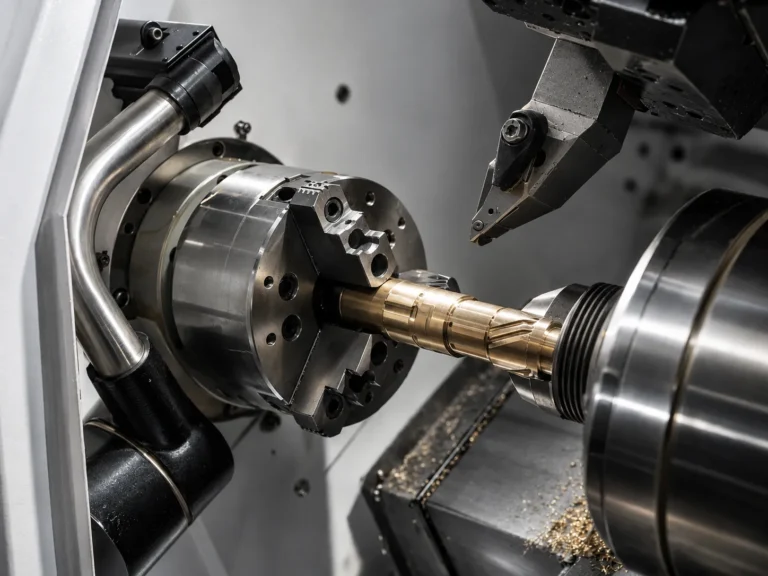
Cost effective solution for low volume and simple turned components

Rapid setup and adjustments without time consuming CNC programming

Ideal for repair modification and bespoke engineering requirements

Direct operator feedback improves surface finish and process control
Responsiveness and Flexibility

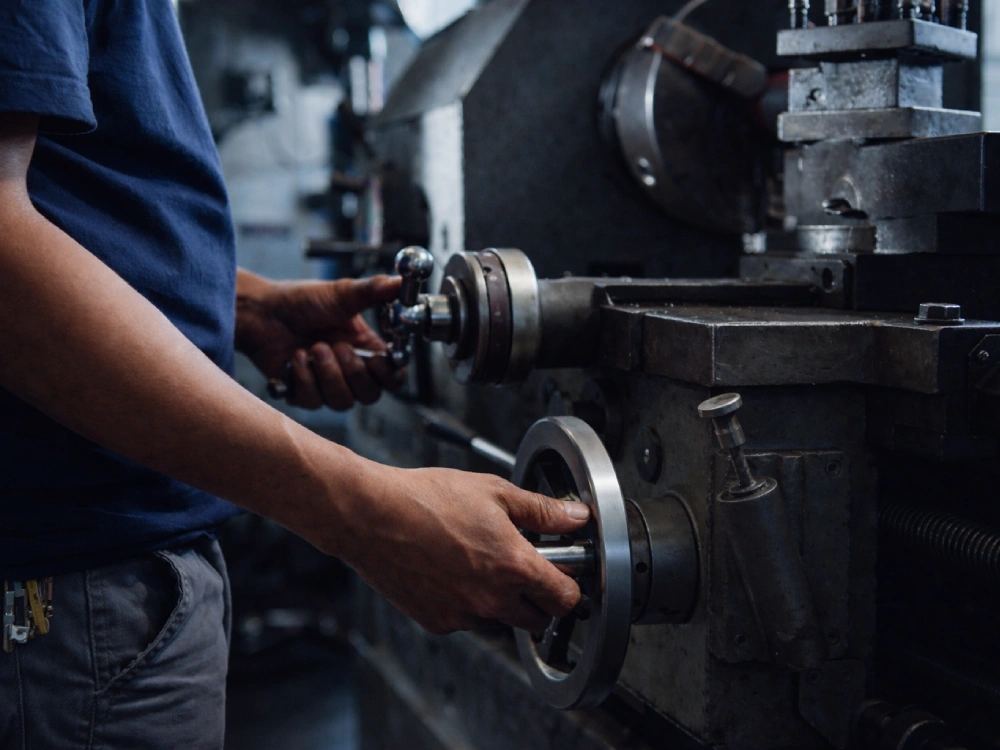
One of the key advantages of manual milling is responsiveness. Unlike CNC machining, manual milling does not require programming or simulation, allowing work to begin as soon as drawings or component details are available. Machinists can make adjustments to dimensions, features, or machining strategies during the process, enabling rapid adaptation to design changes or unforeseen challenges. This flexibility is especially valuable in development, repair, and time-critical applications.

Precision and Accuracy

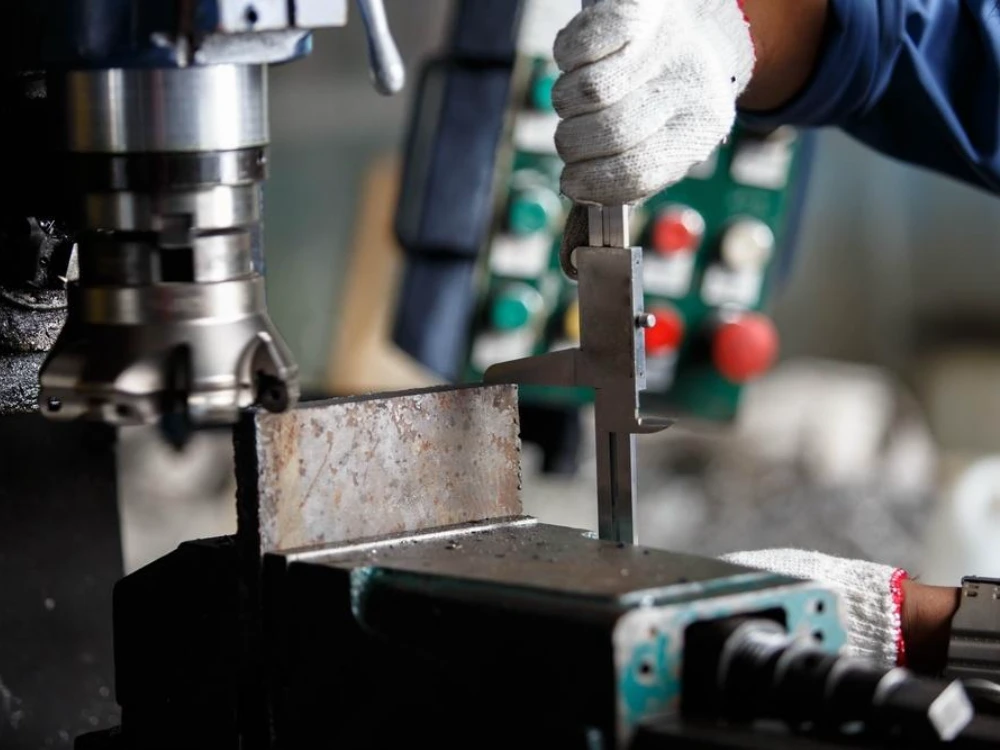
Precision remains a core requirement in manual milling services. Although CNC machining offers automated repeatability, skilled machinists can achieve high levels of accuracy through careful measurement, controlled cutting, and experience. Subcon maintains tight tolerances by combining precision equipment with rigorous inspection and quality control. For many components, manual milling delivers the required accuracy without the overhead associated with CNC programming.

Suitable Applications and Component Types

Manual milling is particularly effective for components with relatively straightforward geometries or features that benefit from operator judgement. Flat surfaces, slots, pockets, keyways, and simple profiles can be machined efficiently using manual milling techniques. Subcon’s manual milling capability supports a wide range of component sizes, ensuring versatility across diverse engineering applications.

Material Compatibility

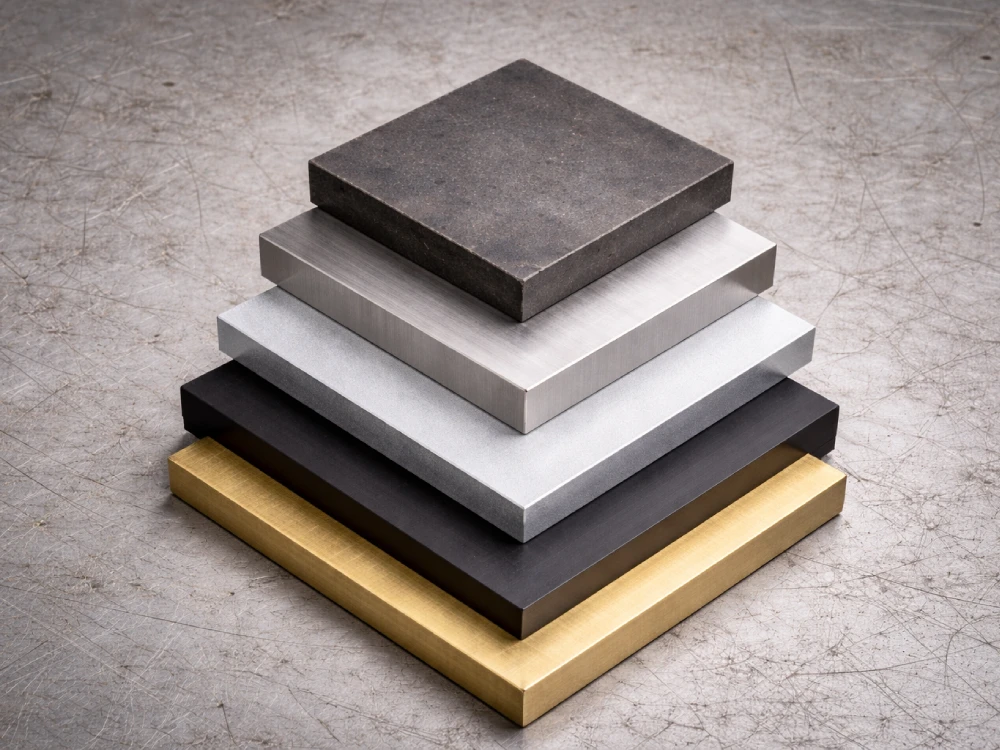
Material flexibility is a significant benefit of manual milling services. Conventional milling machines can process a wide range of metals and plastics, including aluminium, mild steel, stainless steel, brass, bronze, copper, and engineering plastics. Manual milling allows machinists to adjust cutting speeds, feeds, and depths in response to material behaviour, ensuring optimal results even when working with challenging materials or inconsistent stock.

Prototype and Development Support

Manual milling plays a key role in prototype and development work. Early-stage components often require multiple iterations as designs are tested and refined. Manual milling allows these changes to be implemented quickly without the need to revise CNC programs. Subcon’s manual milling services support agile development cycles, helping customers validate form, fit, and function before transitioning to CNC production.

Frequently Asked Questions

How does tooling and fixturing affect manual milling accuracy?
Effective tooling and fixturing are essential for accurate manual milling. Skilled machinists select suitable cutters, tool geometries, and workholding methods to ensure stability, precision, and consistent results across a wide range of machining tasks.
Can manual milling achieve high-quality surface finishes?
Yes. Manual milling allows machinists to control tool engagement and cutting parameters closely, enabling smooth surface finishes for both functional and aesthetic requirements. Fine finishing passes and in-process adjustments help ensure components meet specification.
Is manual milling a cost-effective solution for low-volume components?
Manual milling is often more cost-effective for low-volume or one-off components, as it eliminates the time and expense associated with CNC programming. This allows parts to be produced quickly and economically while maintaining quality.
Is manual milling suitable for repair and modification work?
Manual milling is highly effective for repair and modification tasks. Machinists can work directly from existing parts, drawings, or measurements to extend service life, correct wear, or adapt components to new requirements, making it ideal for maintenance and refurbishment.
How is quality control maintained in manual milling services?
Quality control is integral to manual milling. Although the process relies on operator skill, rigorous inspection and precise measurement ensure components meet specification. Consistent quality standards are applied across all machining services.
How does manual milling complement CNC machining services?
Manual milling often supports CNC machining by enabling rapid prototyping, secondary machining operations, and low-volume production. Components may be manually milled during development and later transitioned to CNC for production, ensuring the most suitable machining approach for each application.

Additional Services

Get in touch

Start Your Project with Us

For quotes or technical support, contact our team. We respond quickly and provide clear guidance for your requirements.