
Design For Manufacturer
Design for Manufacture Overview
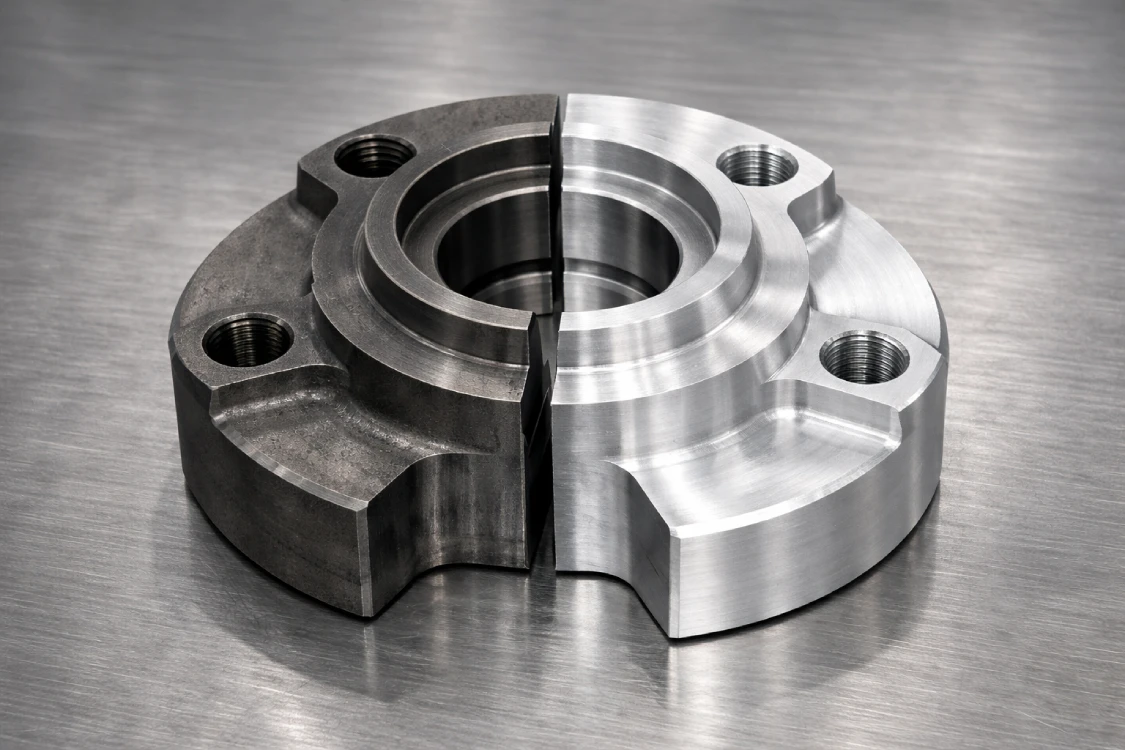
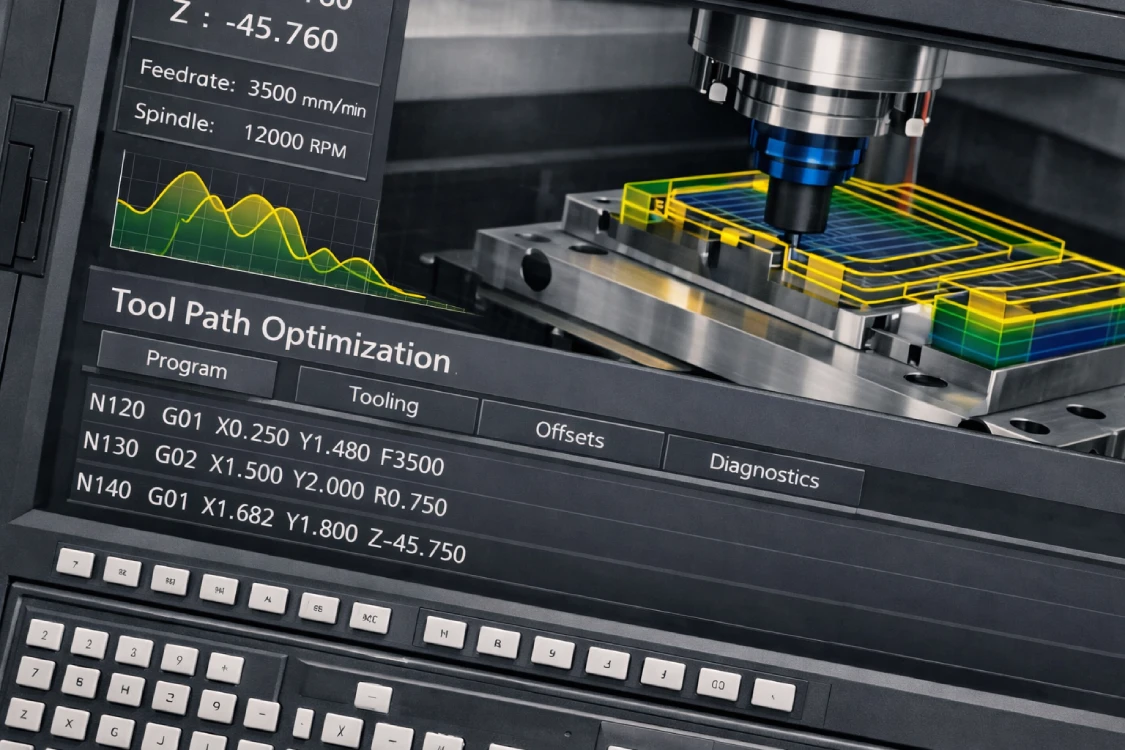
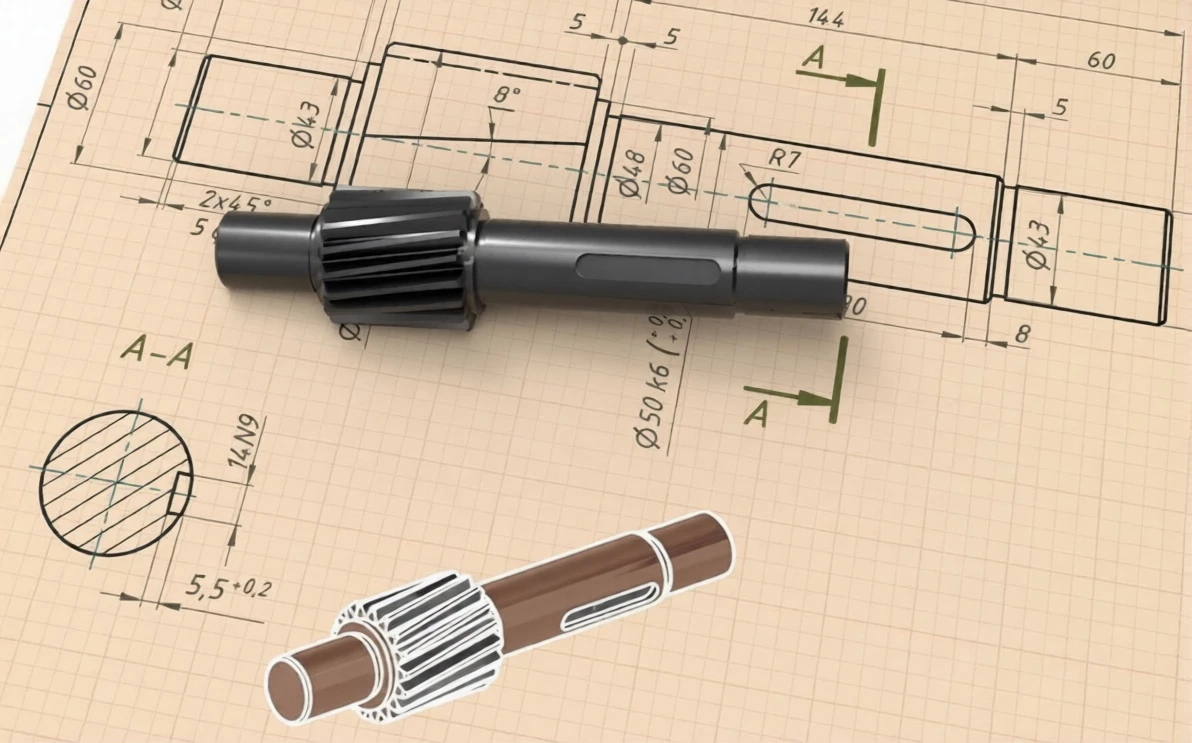
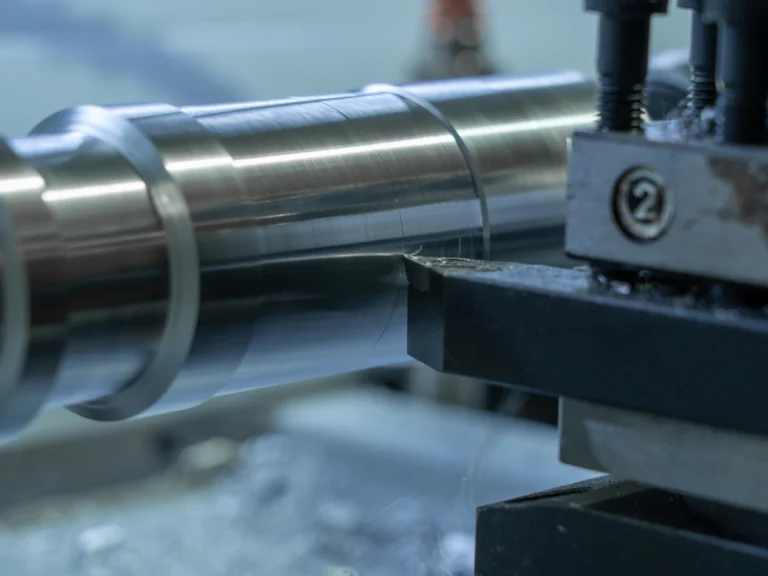
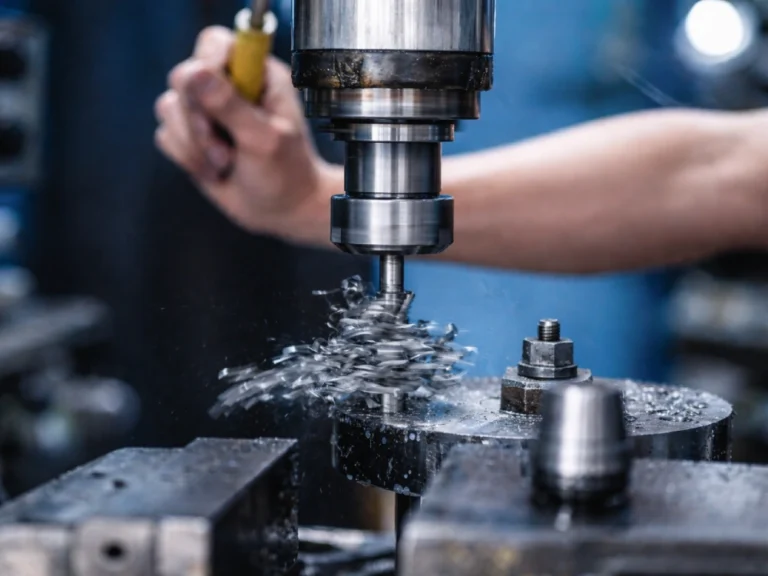
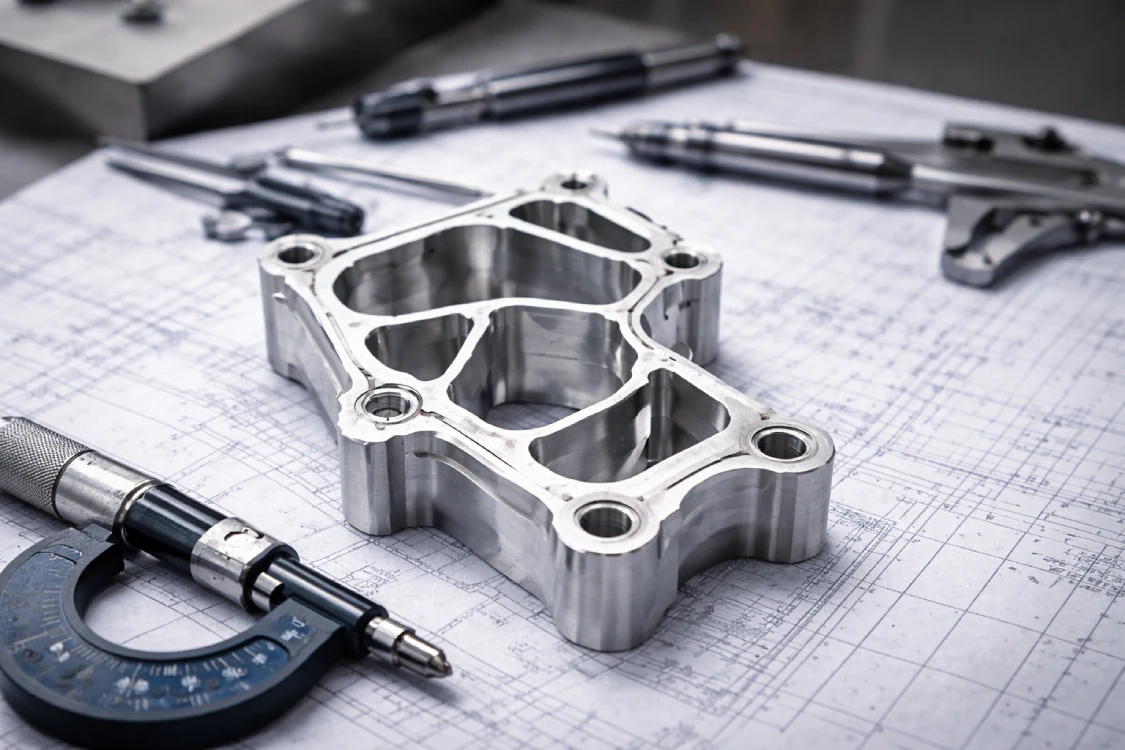
Design for manufacture (DFM) is a critical element of effective machining services, ensuring components are designed to be produced efficiently, accurately, and cost-effectively. DFM focuses on aligning component design with manufacturing capability, reducing unnecessary complexity, minimising risk, and improving consistency throughout production. When applied correctly, it enhances quality, shortens lead times, and lowers overall manufacturing costs.
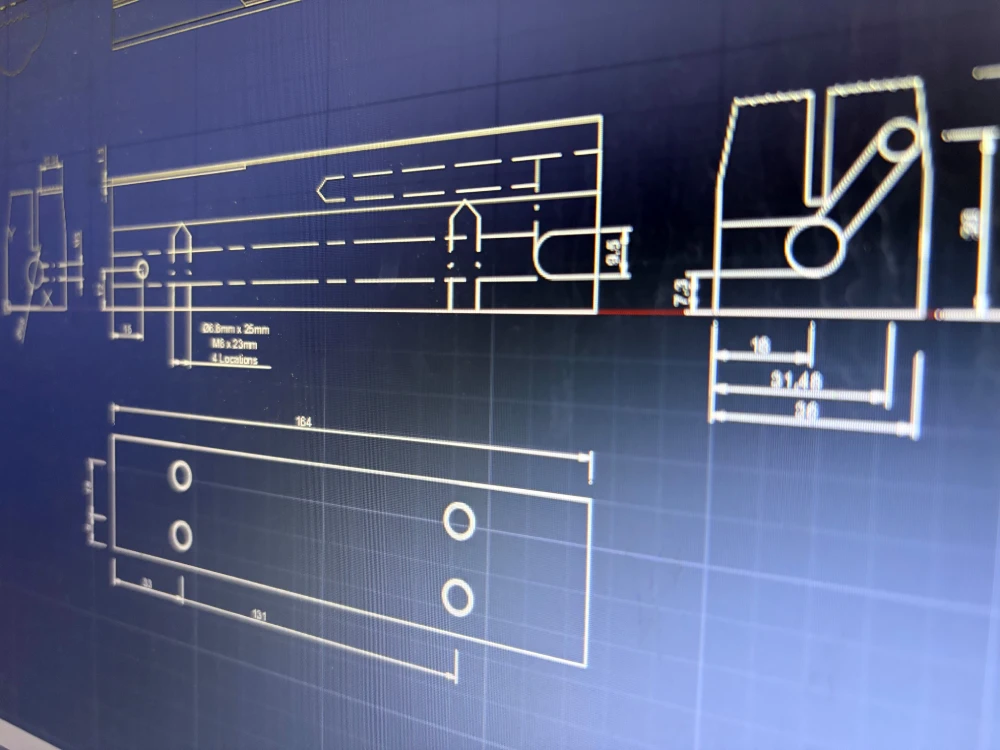
Subcon Group integrates design for manufacture support into its machining services to help customers achieve optimal outcomes from the earliest stages of a project. By reviewing designs prior to production, potential issues relating to tolerances, materials, geometry, and machining strategy can be identified and resolved early, reducing delays, rework, and unexpected costs.
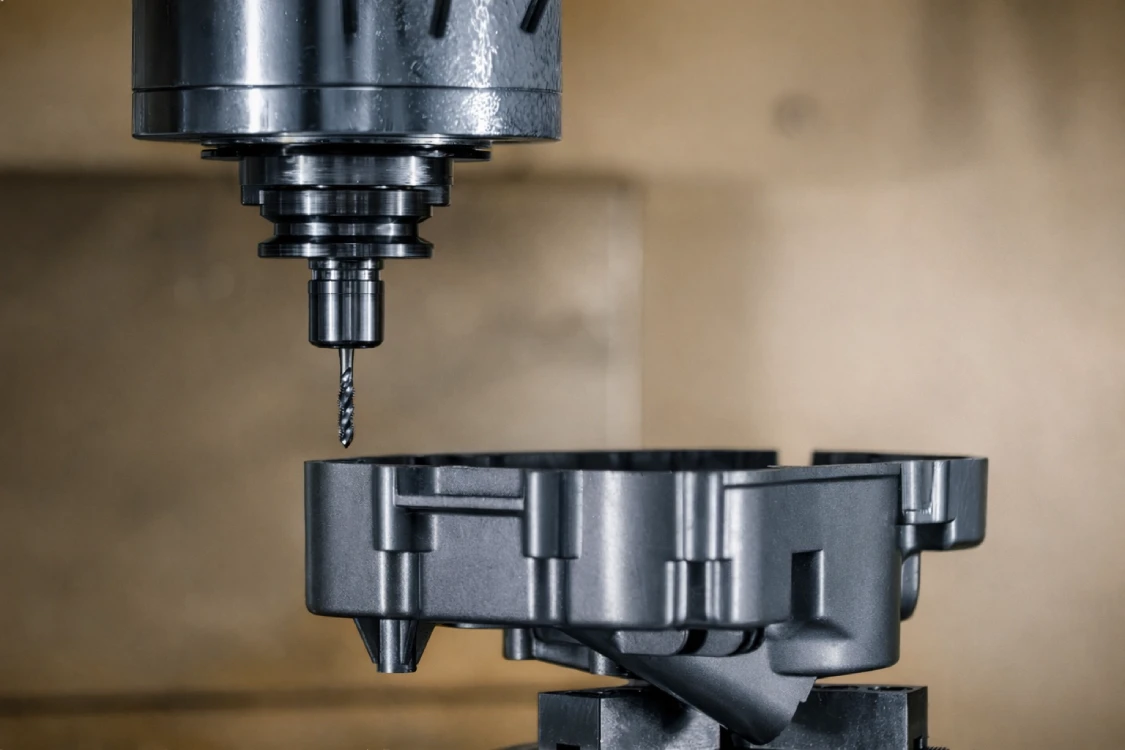
Improving Machinability
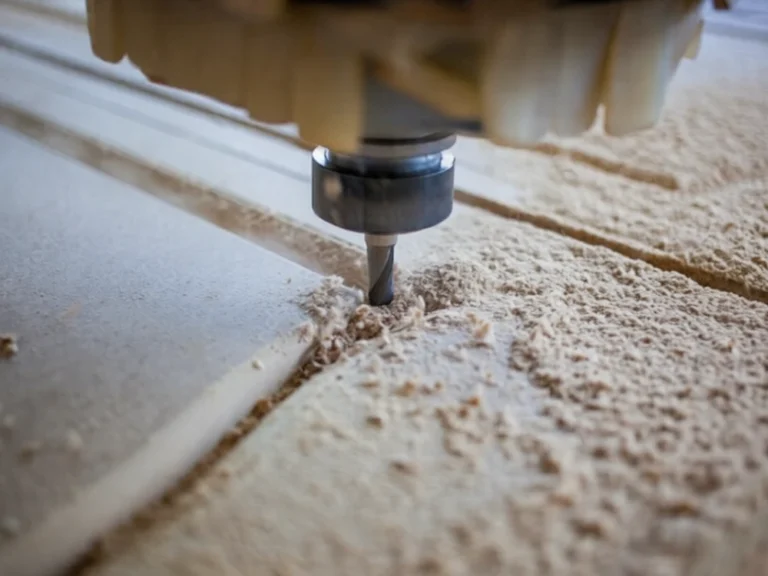
Advantages of Using Subcon for CNC Routing Services

Reduces production lead times through efficient, optimised component design strategies

Minimises manufacturing risk by identifying errors early in design process

Improves cost efficiency by reducing machining complexity and material waste

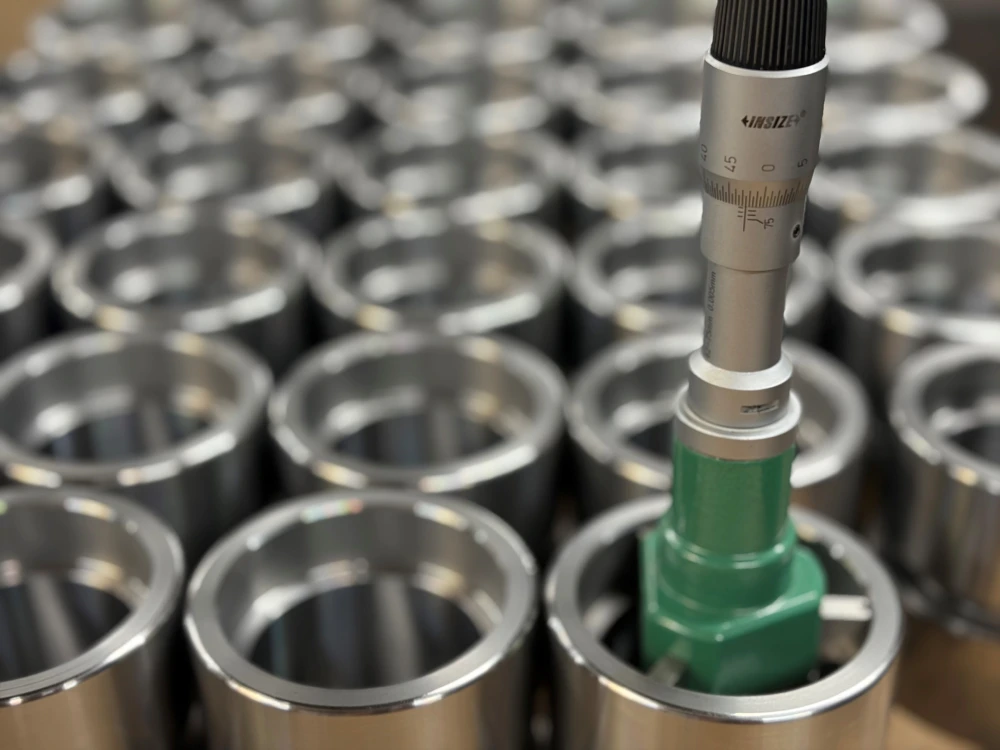
Enhances product quality through optimised tolerances and inspection-friendly designs

Supports consistent repeatability across batches and long-term production programs

Facilitates seamless transition from prototype to large-scale production efficiently
Tolerance Management
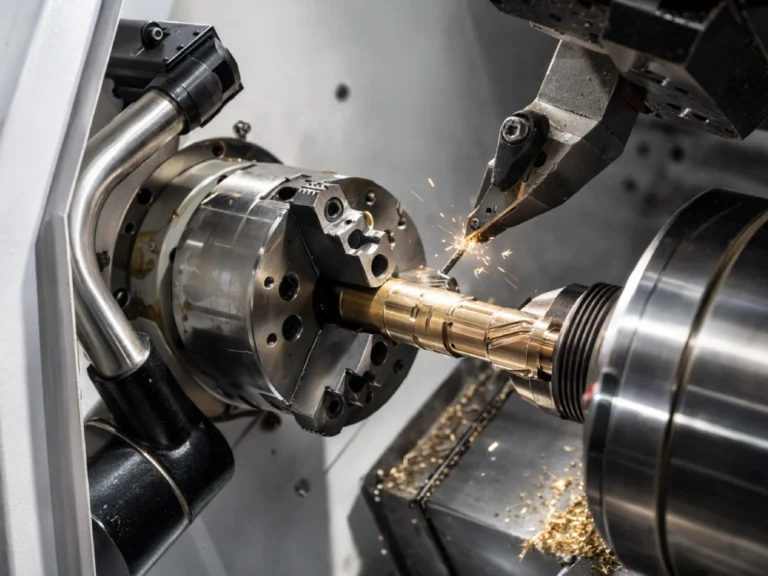
Material Selection
GEOMETRY AND APPLICATION OPTIMISATION
Understanding a components purpose and application is an essential part of the DFM process. This allows our engineers to ensure two things; that the component is made from the correct materials and using the correct methods. This also allows us to, where possible, alter or remove unnecessary features to improve speed and cost efficiency, without compromising the component.
SubCon strives to gain a deep understanding of each individual customer and their needs. In turn, both our machining and heat treatment engineers can assist greatly in ensuring that our customers design fully meet their requirements.
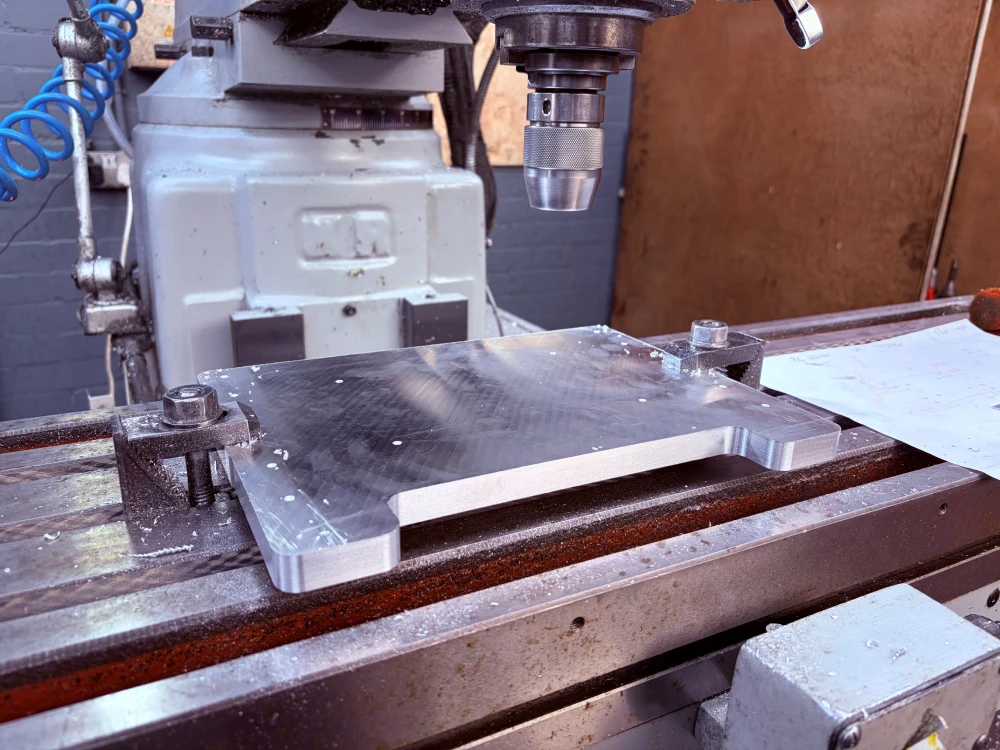
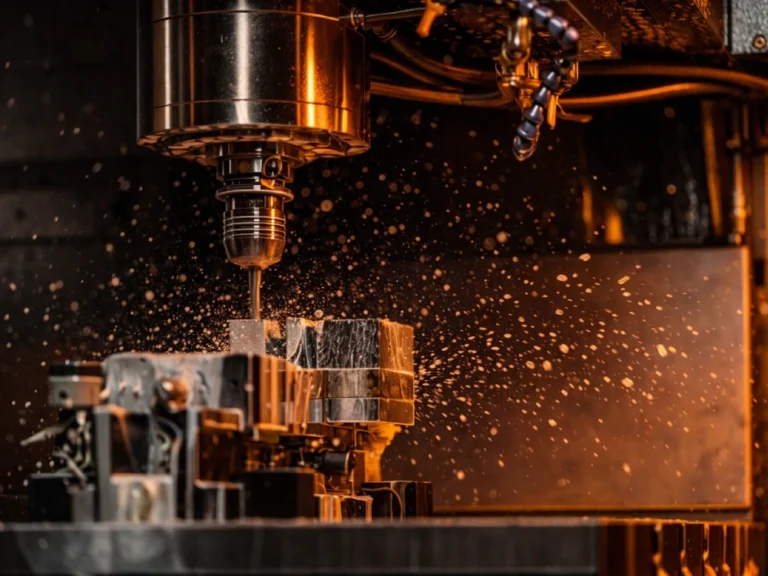
Fixturing and Workholding Considerations
Consistency and Repeatability
Supporting the Transition from Prototype to Production
Cost Control and Efficiency