
SUBCON

Design For Manufacturer

Design for Manufacture Overview

Design for manufacture (DFM) is a critical element of effective machining services, ensuring components are designed to be produced efficiently, accurately, and cost-effectively. DFM focuses on aligning component design with manufacturing capability, reducing unnecessary complexity, minimising risk, and improving consistency throughout production. When applied correctly, it enhances quality, shortens lead times, and lowers overall manufacturing costs.

Subcon Group integrates design for manufacture support into its machining services to help customers achieve optimal outcomes from the earliest stages of a project. By reviewing designs prior to production, potential issues relating to tolerances, materials, geometry, and machining strategy can be identified and resolved early, reducing delays, rework, and unexpected costs.

Improving Machinability

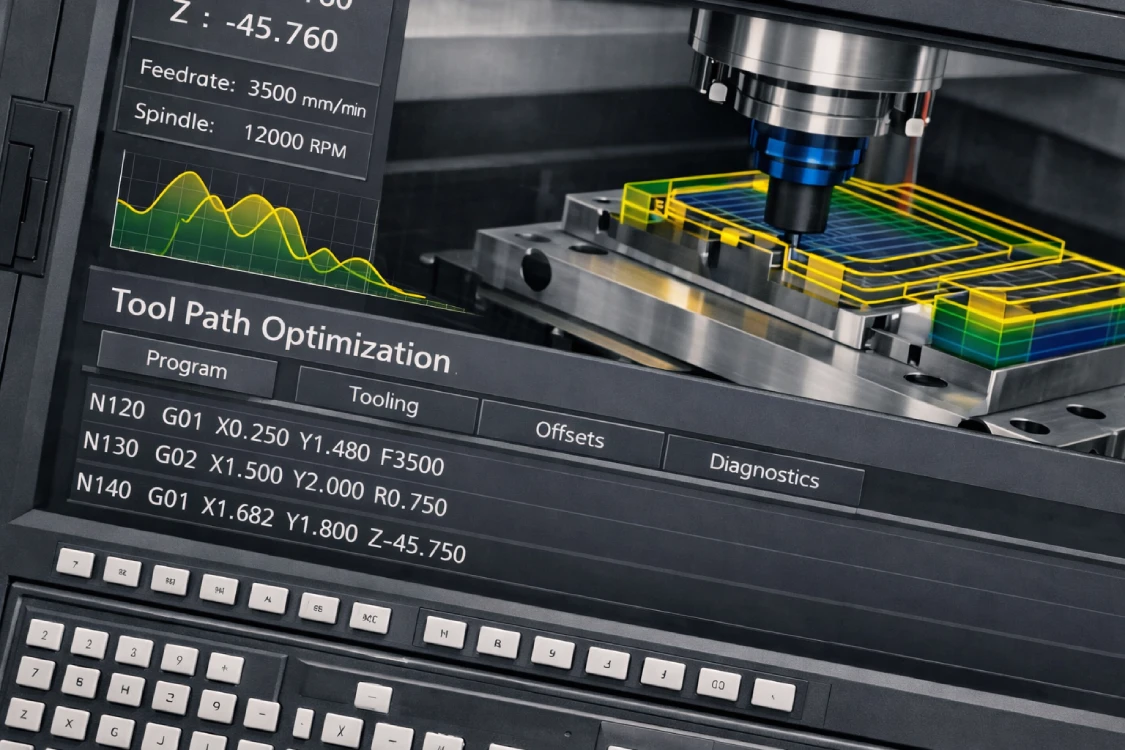
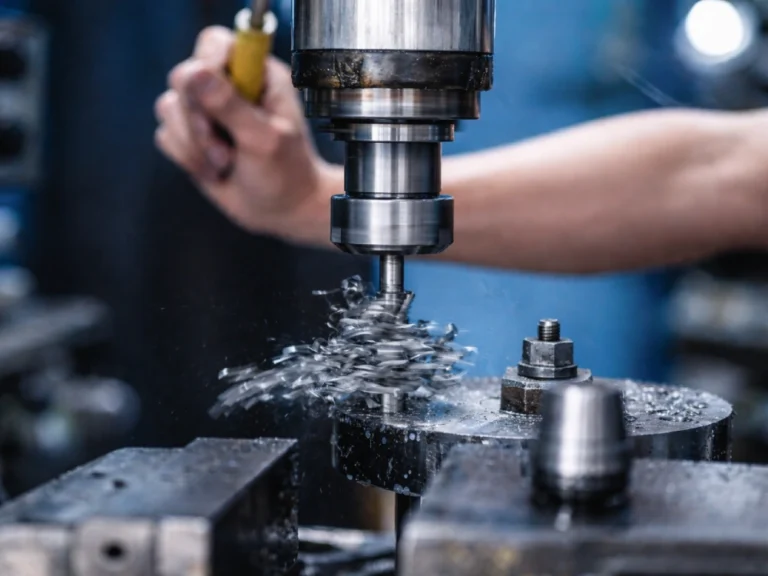
One of the primary objectives of design for manufacture is to improve machinability. Certain design features can significantly increase machining time or complexity without adding functional value. Unnecessarily tight tolerances, deep internal features, sharp internal corners, and overly complex geometries all increase cost and risk. Subcon’s DFM approach evaluates these factors and recommends practical adjustments that maintain function while improving machining efficiency.

Advantages of Using Subcon for CNC Routing Services

Reduces production lead times through efficient, optimised component design strategies

Minimises manufacturing risk by identifying errors early in design process

Improves cost efficiency by reducing machining complexity and material waste

Enhances product quality through optimised tolerances and inspection-friendly designs

Supports consistent repeatability across batches and long-term production programs

Facilitates seamless transition from prototype to large-scale production efficiently
Tolerance Management

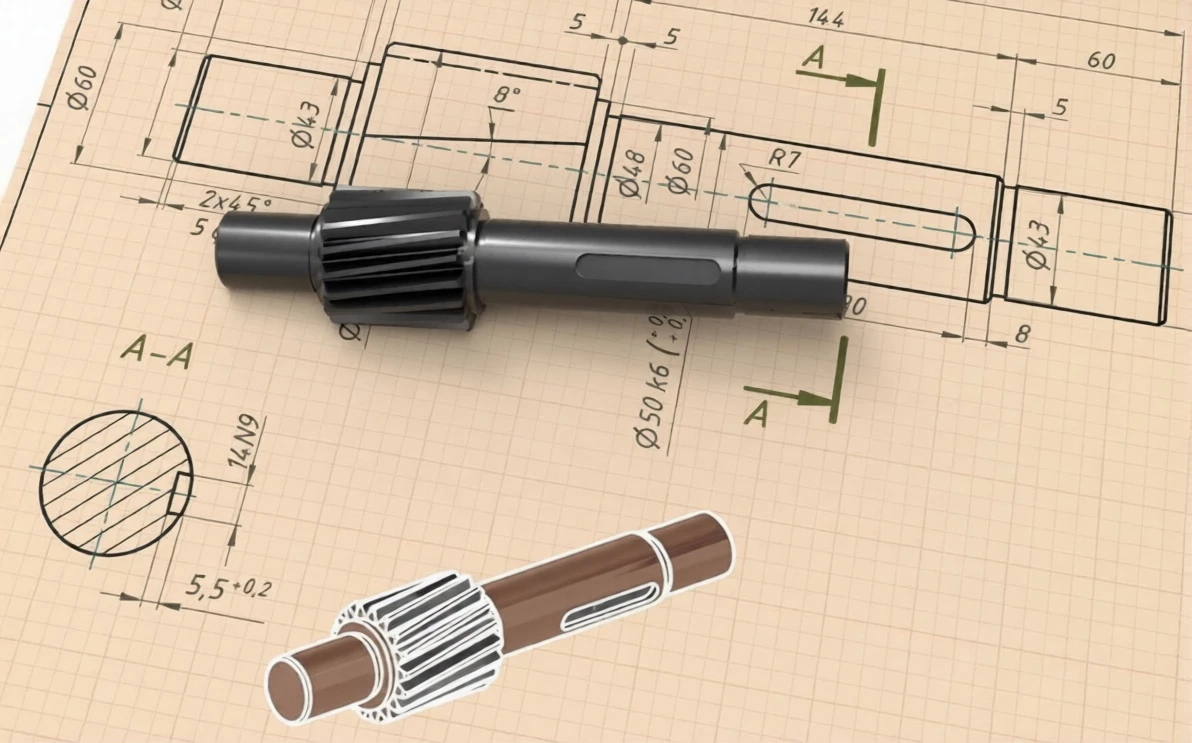
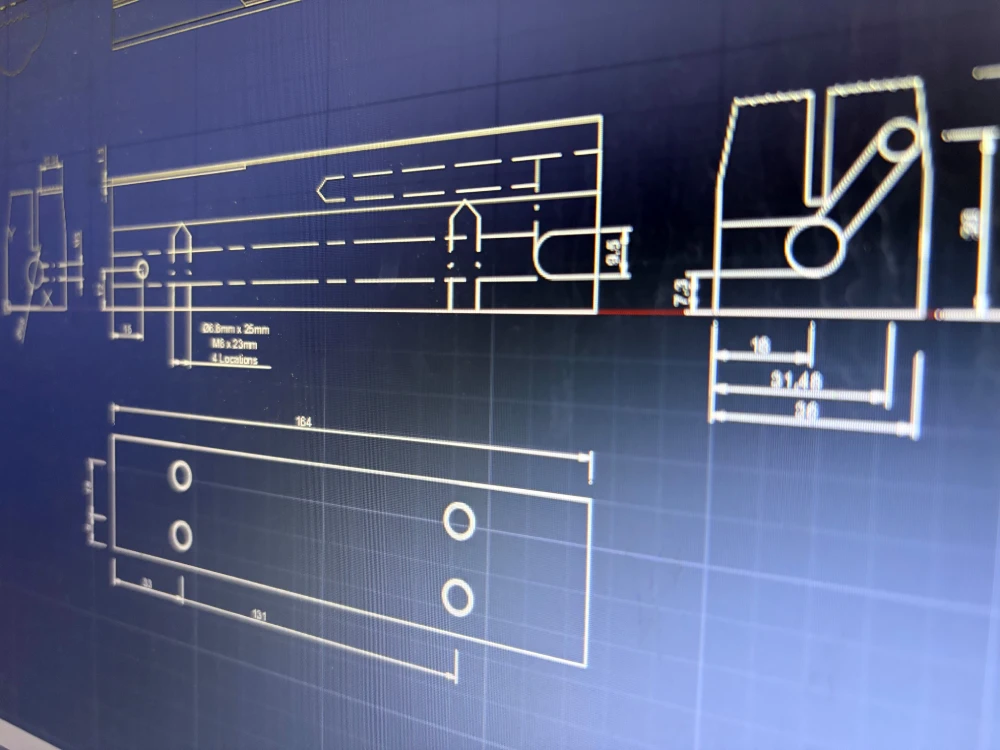
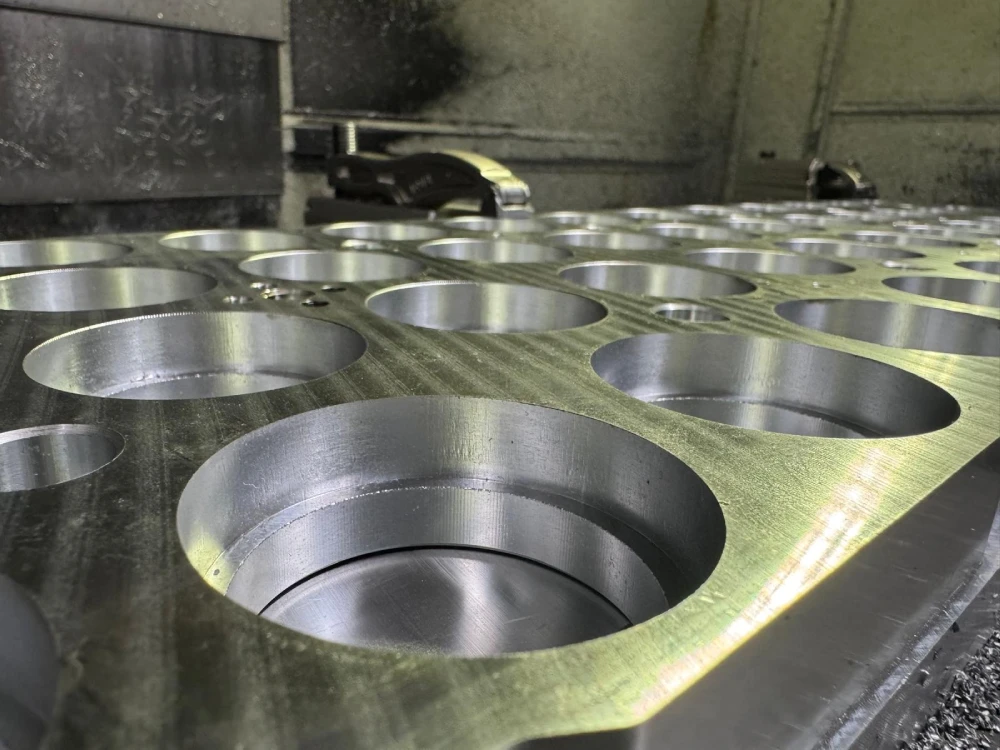
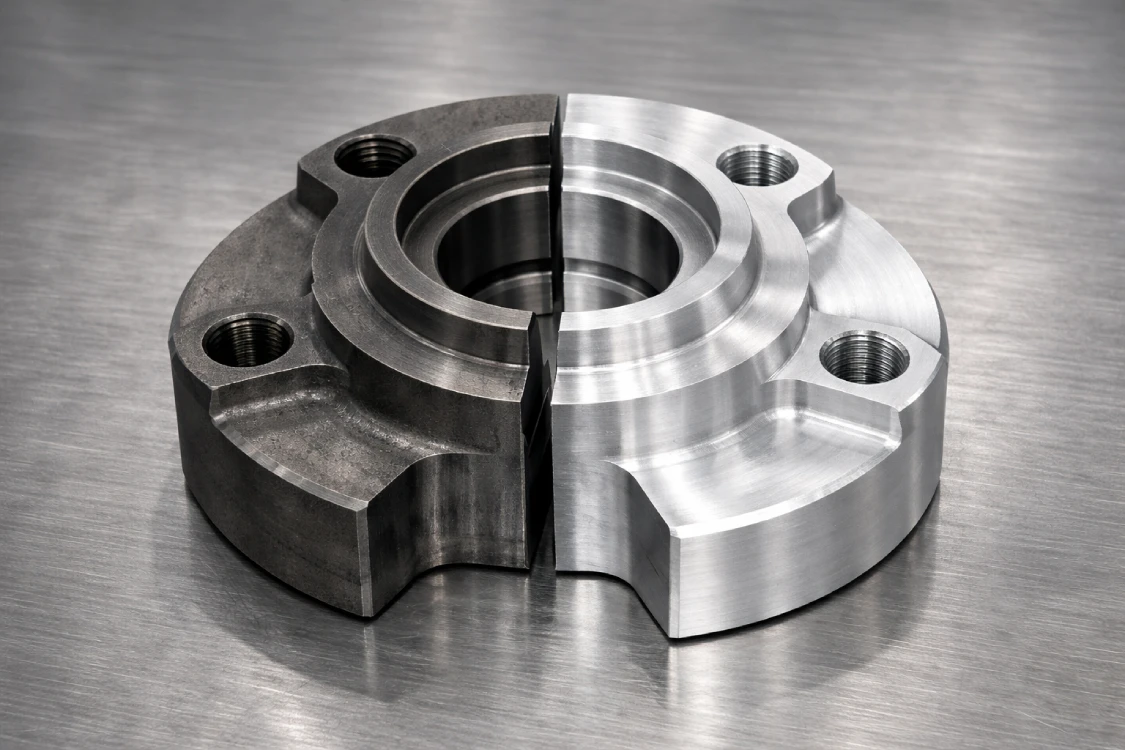
Tolerance control is a central aspect of design for manufacture. While tight tolerances are sometimes required for critical functional features, applying them across an entire component increases machining time and inspection complexity. Subcon works closely with customers to apply tolerances strategically, ensuring critical features meet performance requirements while non-critical dimensions are relaxed where possible. This approach improves efficiency without compromising quality.

Material Selection

Material choice plays a significant role in design for manufacture. Different materials behave differently during machining, affecting tool wear, achievable tolerances, and surface finish. Subcon’s DFM support considers material properties alongside functional and performance requirements, helping customers select materials that balance machinability, durability, and cost. This ensures components can be produced reliably and consistently.

Geometry Optimisation

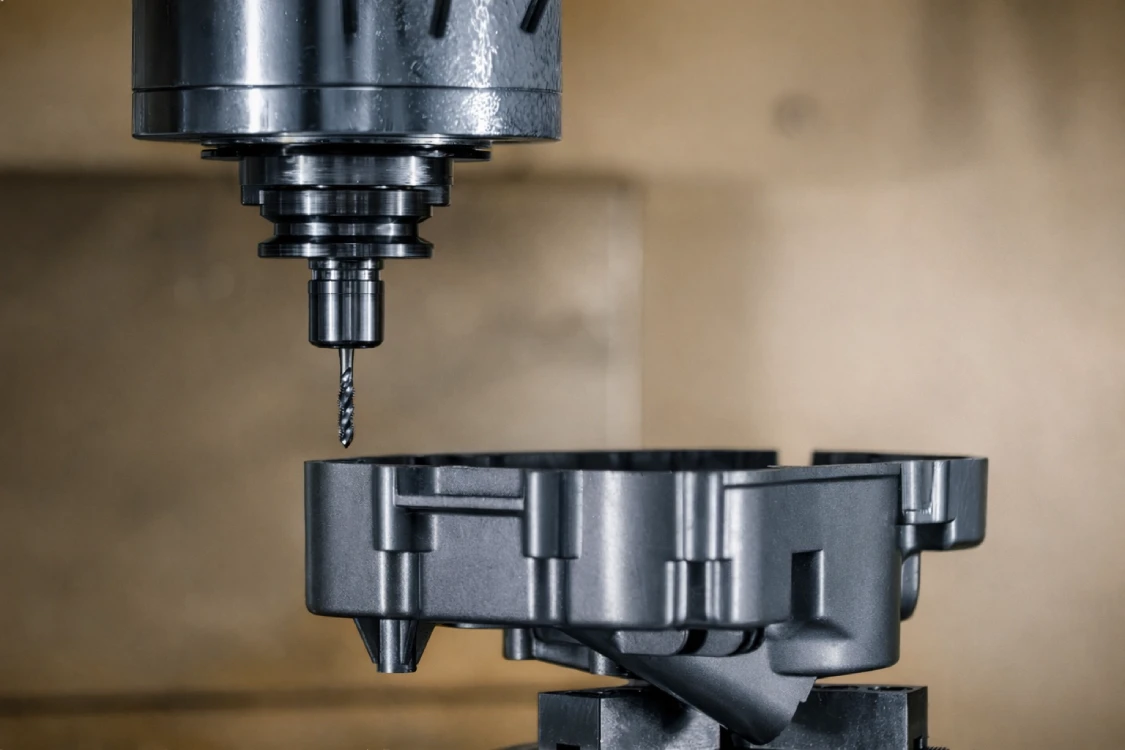
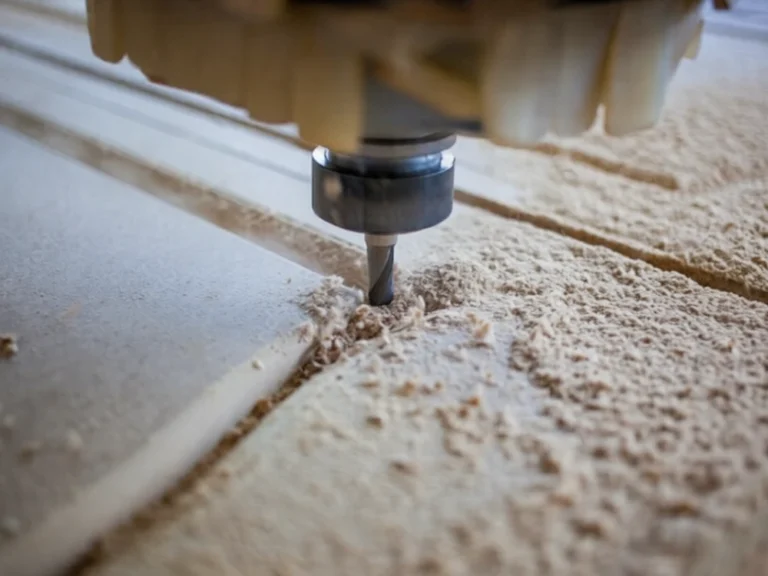
Component geometry has a direct impact on machining strategy. Features such as wall thickness, hole depth, corner radii, and feature accessibility influence tool selection, cycle time, and accuracy. Designs that allow for standard tooling, clear tool access, and stable workholding are easier to machine. Subcon reviews component geometry to ensure compatibility with CNC milling, turning, routing, or manual machining processes.

Fixturing and Workholding Considerations

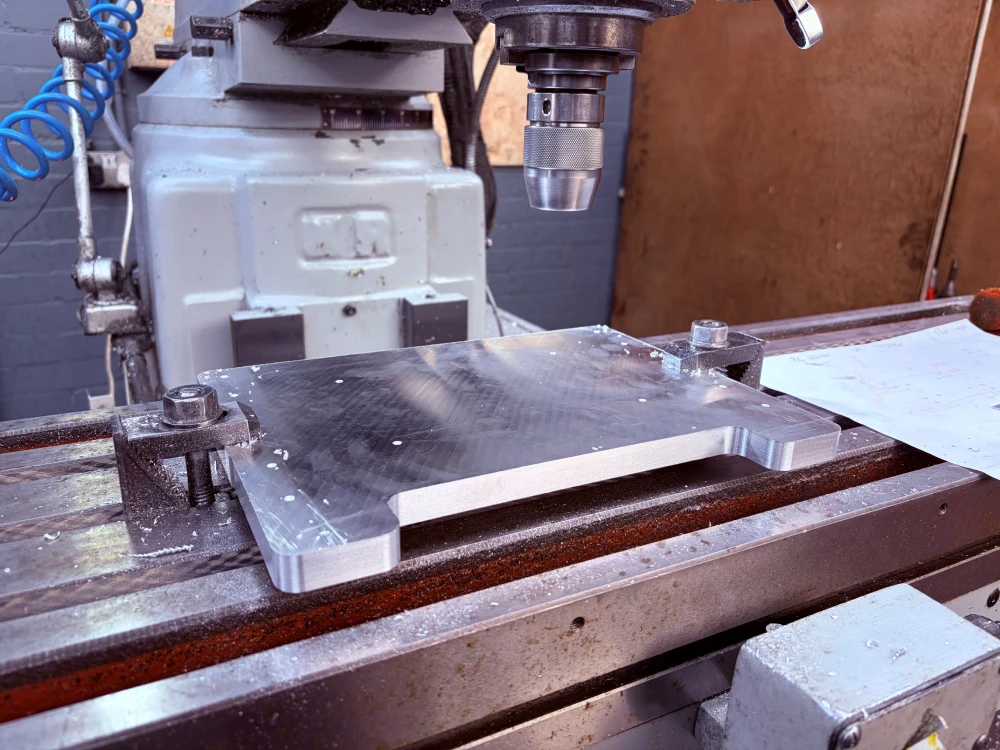
Design for manufacture also supports efficient fixturing and workholding. Components that are difficult to clamp or locate accurately often require complex setups, increasing cycle time and the risk of error. Subcon’s DFM approach considers how parts will be held during machining and recommends design changes that improve stability and repeatability. Effective workholding reduces setup time and enhances accuracy.

Consistency and Repeatability

Consistency is a key benefit of effective design for manufacture. Components designed with manufacturing processes in mind are easier to reproduce reliably across batches. This repeatability supports long-term production programmes and reduces part-to-part variation. Subcon’s DFM support ensures designs are suited to repeat machining, delivering consistent results throughout the product lifecycle.

Supporting the Transition from Prototype to Production

Design for manufacture is particularly valuable during the transition from prototype to production. Features that are acceptable for one-off prototypes may become inefficient or costly at higher volumes. Subcon works with customers to refine designs before scaling production, ensuring components are optimised for CNC machining and batch manufacturing. This reduces cost escalation as volumes increase.

Cost Control and Efficiency

Cost control is a major driver of design for manufacture. By simplifying machining operations, reducing cycle times, and minimising material waste, DFM directly lowers production costs. Subcon’s engineering input helps identify cost-saving opportunities without compromising performance or reliability, delivering better value across both short-term and long-term manufacturing projects.

Frequently Asked Questions

How does design for manufacture help reduce lead times?
Design for manufacture streamlines production by making components easier to machine, requiring fewer setups, simpler programming, and less inspection effort. This reduces production schedules and ensures designs are ready for manufacture from the outset, improving delivery predictability.
In what ways does DFM reduce manufacturing risk?
Poorly optimised designs can lead to machining errors, tool breakage, or quality issues. Subcon’s DFM approach identifies and addresses these risks early, improving process stability and reducing the chance of production interruptions.
How does collaborative engineering support enhance DFM?
Subcon Group works closely with customers, designers, and engineers to understand functional requirements and manufacturing constraints. This ensures design decisions are informed by practical machining knowledge, producing components that are both functional and efficient to manufacture.
What impact does DFM have on quality and inspection?
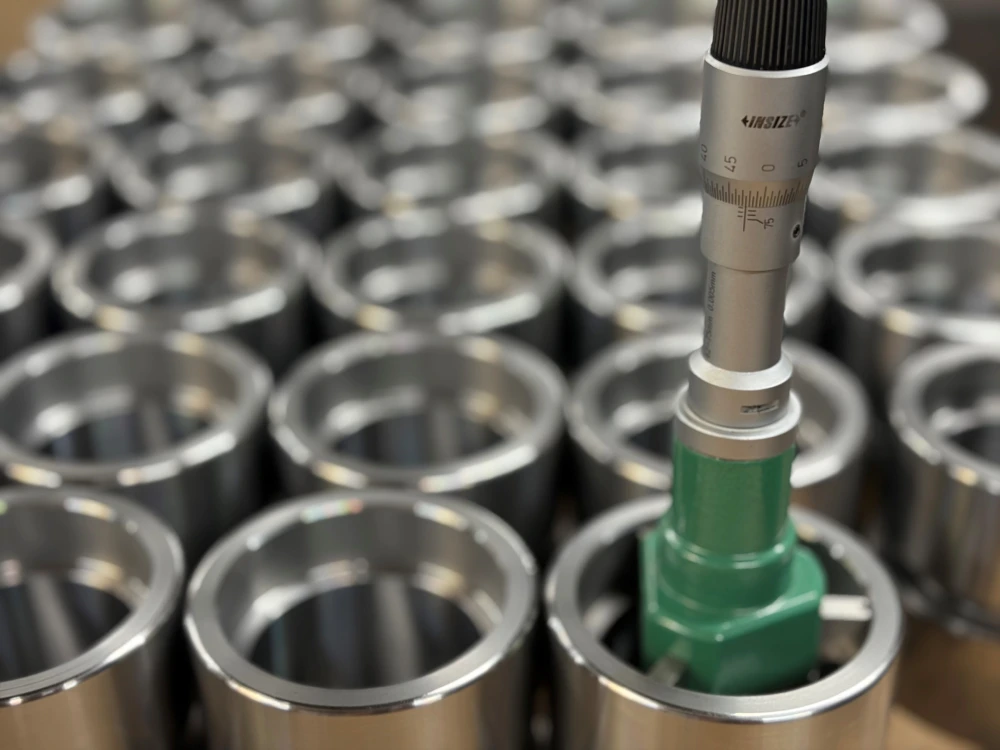
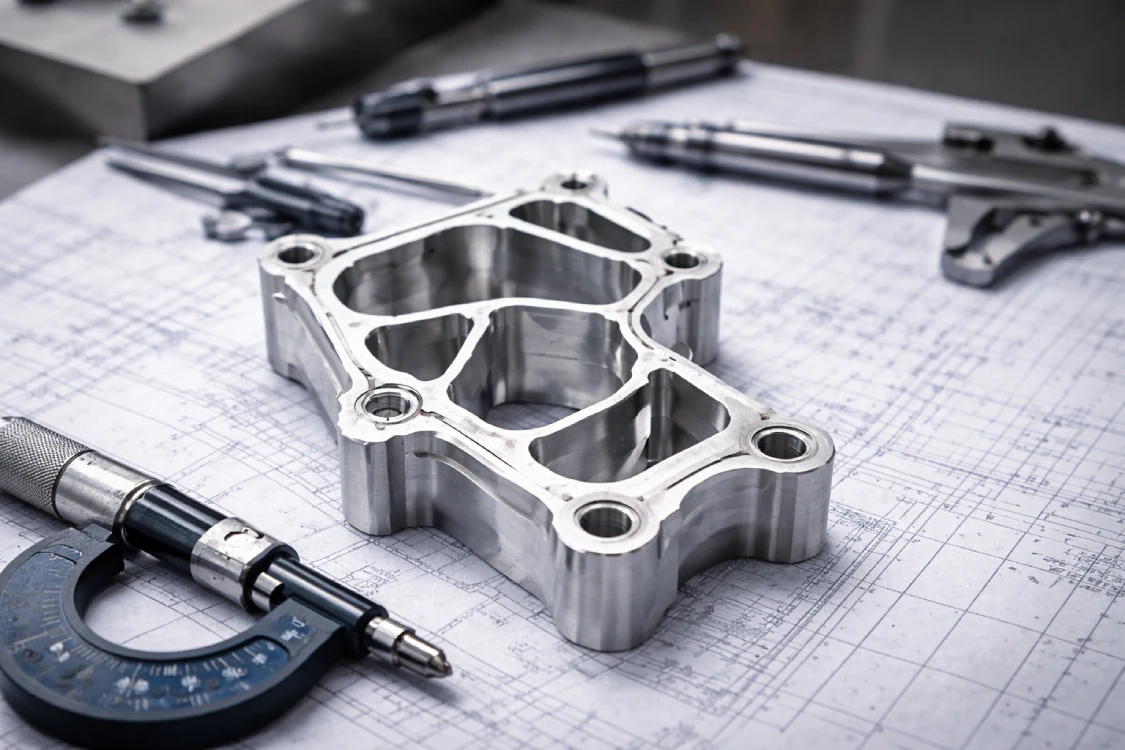
Components designed with DFM principles are easier to inspect and measure accurately. Features such as clear datums, accessible measurement points, and realistic tolerances improve inspection reliability and help maintain consistent quality across production.
Is design for manufacture a one-time process?
No. DFM is an ongoing consideration throughout a product’s development. As designs evolve, materials change, or volumes increase, Subcon reassesses manufacturing requirements to keep designs optimised for production.
Why should companies embed DFM into their manufacturing strategy?
Integrating DFM ensures components are fit for purpose and fit for production. It reduces risk, improves efficiency, lowers costs, and supports consistent quality and long-term manufacturing success.

Additional Services

Get in touch

Start Your Project with Us

For quotes or technical support, contact our team. We respond quickly and provide clear guidance for your requirements.