SUBCON

Stress Relieving

Enhancing Component Stability Through Controlled Heat Treatment

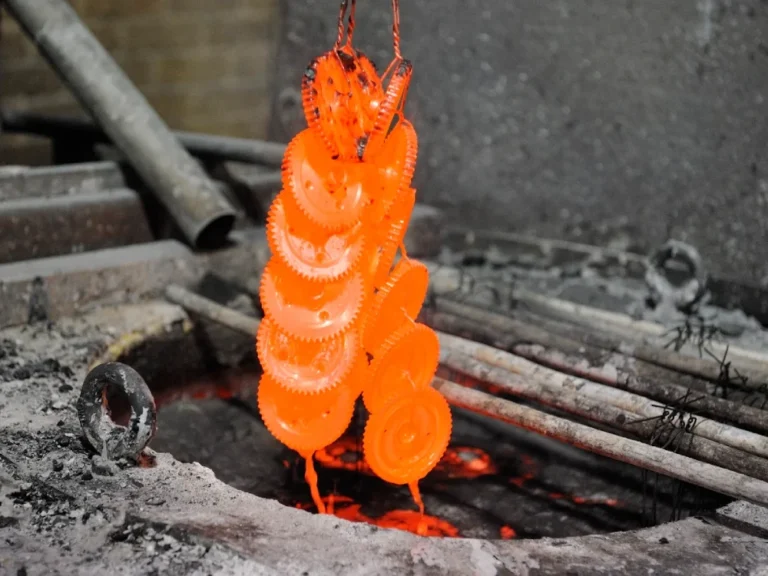
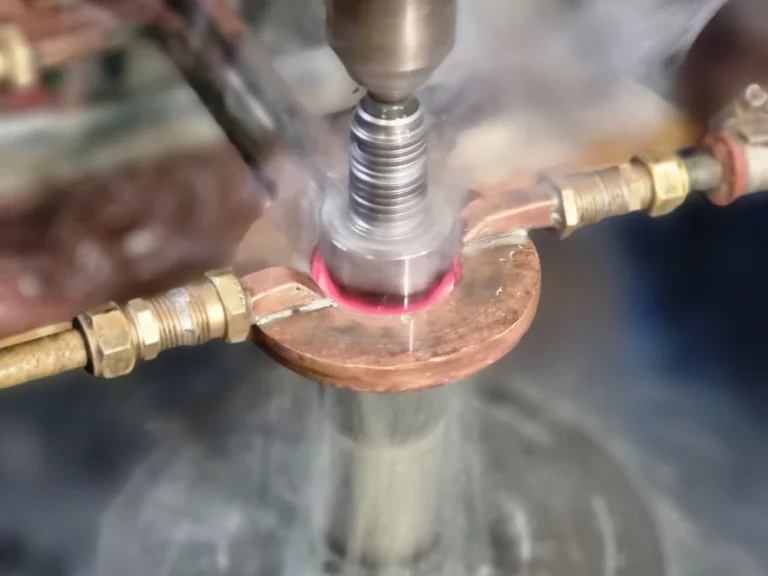
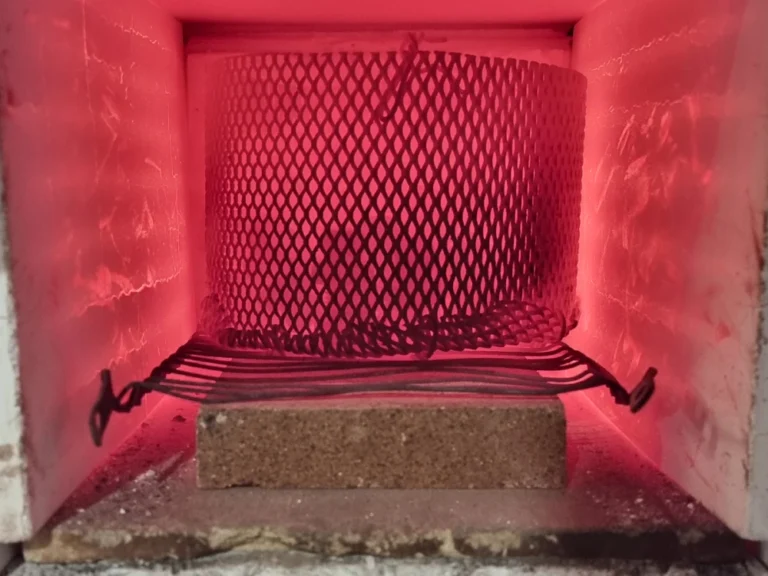
Stress relieving is a specialist heat treatment process offered by Subcon Group, a UK manufacturer with in-house capability, designed to reduce residual internal stresses in metal components that arise from prior manufacturing operations such as machining, welding, forming or casting. This process involves controlled heating to a temperature below the critical transformation range of the material and a carefully managed cool-down period that allows internal stresses to relax without significantly changing the material’s microstructure or mechanical properties. The result is improved dimensional stability, reduced risk of distortion and enhanced component reliability during subsequent processing or in-service use; benefits that are vital in precision engineering applications.

When and Why Stress Relieving Matters

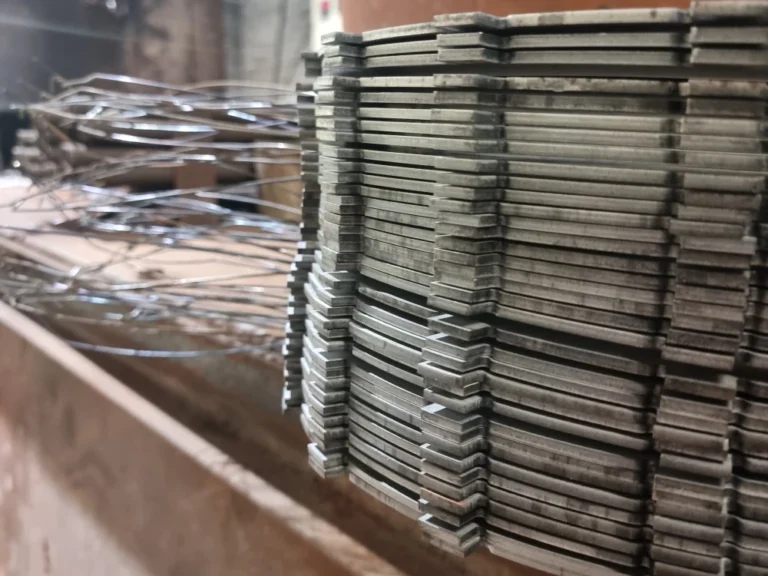
Residual stresses are locked-in internal forces that develop during processes such as welding, grinding, cutting, cold working or rapid cooling after fabrication. If left unaddressed, these stresses can cause warping, cracking or unexpected movement during later machining steps, heat treatment or in service. Stress relieving at Subcon Group stabilises the component by allowing microstructural dislocations to redistribute in a controlled environment, reducing the risk of distortion during finishing operations or when the part enters service. It is particularly beneficial for complex machined parts, welded assemblies and castings with variable section thicknesses that are sensitive to stress-induced dimensional change.

Controlled Process for Predictable Outcomes

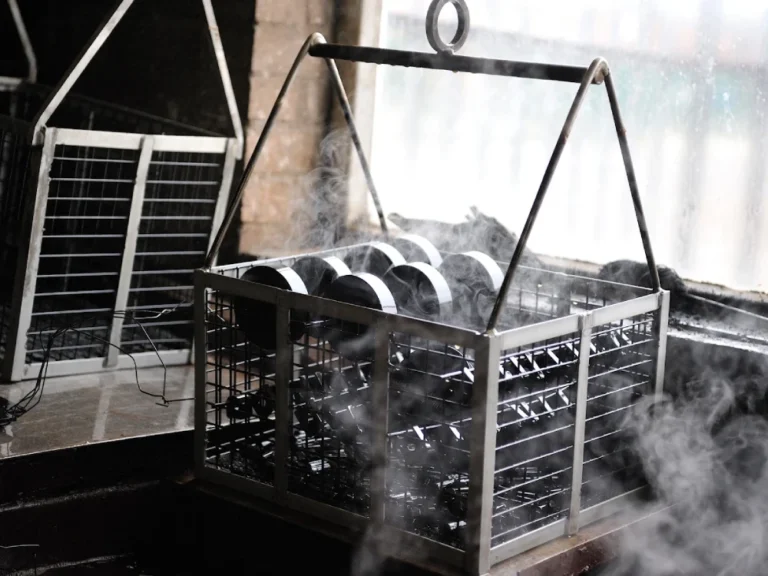
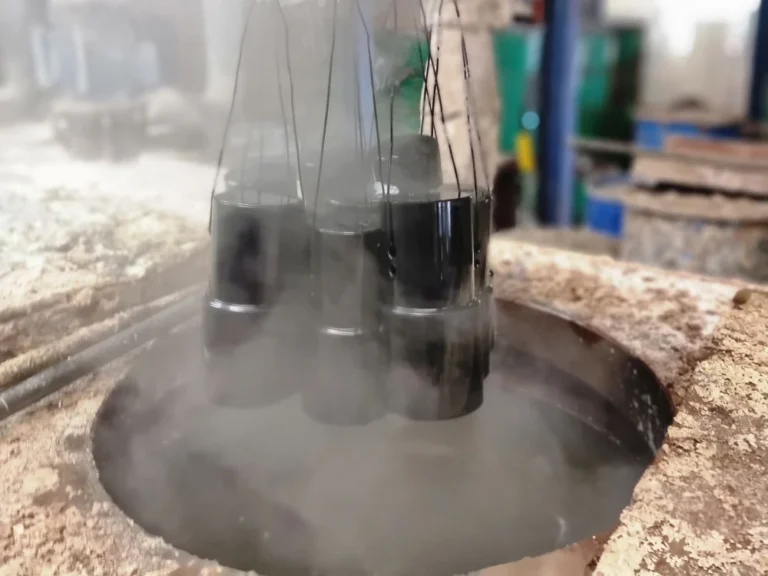
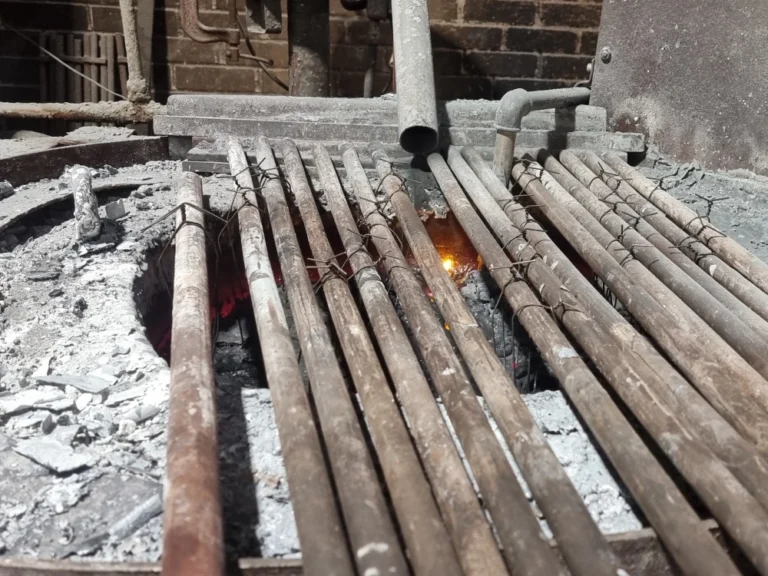
In the stress relieving process, components are heated to a carefully selected temperature below the lower critical range, typically several tens of degrees below phase transformation, and held long enough at temperature to allow internal stresses to relax. A slow, controlled cooling phase follows to ensure new stresses are not introduced. Because stress relieving does not intentionally alter hardness or microstructure, it is suitable both before final machining and prior to other heat treatments such as hardening or carburising. At Subcon Group, this controlled approach ensures consistent, repeatable results that help preserve tight tolerances and support the integrity of downstream manufacturing steps.

Key Advantages for Subcontract Manufacturing

Reduced component distortion, supporting tighter tolerances and less post-treatment machining

Consistently tight tolerances across single components and large production batches

Faster processing cycles compared to conventional furnaces, enabling shorter lead times

Improved wear resistance and fatigue life, reducing in-service failure rates

Minimal oxidation and surface degradation, enhancing component finish and performance

Suitable for both low-volume precision work and high-volume production runs

Frequently Asked Questions

What is stress relieving and why is it important in precision manufacturing?
Stress relieving is a heat treatment process used to reduce internal stresses introduced during machining, welding or forming. In precision manufacturing, it helps components retain their intended dimensions during secondary machining, assembly and service, reducing the risk of distortion and costly rework.
How does stress relieving support consistent quality and tight tolerances?
By removing internal stresses before finishing operations, stress relieving improves dimensional stability across production batches. This helps manufacturers maintain consistent quality, protect tolerance requirements and minimise the risk of parts falling outside specification during later stages of manufacture.
Which industries and applications benefit from stress relieving?
Stress relieving is widely used across industries such as automotive, aerospace, heavy machinery, tooling, fabrications and general engineering. It is particularly beneficial for components that have undergone significant machining, welding or material deformation and need to perform reliably under dynamic loads, thermal cycling or precision assembly conditions.
How does Subcon Group ensure quality assurance and specification compliance?
Subcon Group closely controls and documents key process parameters, including temperature, soak time and cooling rate. This traceable approach ensures compliance with customer specifications and relevant engineering standards, giving confidence that components will perform predictably in subsequent operations or in service.
Why choose Subcon Group for stress relieving services in the UK?
Subcon Group offers UK-based stress relieving services supported by extensive technical expertise and controlled thermal processing. This combination helps ensure components achieve the required dimensional stability and stress profiles for high-performance applications, making Subcon Group a trusted partner for precision engineering and regulated manufacturing environments.
When should stress relieving be introduced into the manufacturing process?
Stress relieving is typically carried out after heavy machining, welding or forming operations and before final finishing or precision machining. Introducing the process at this stage helps stabilise the component, reducing the likelihood of movement or distortion later in production and supporting efficient manufacturing workflows.

Additional Services

Get in touch

Start Your Project with Us

For quotes or technical support, contact our team. We respond quickly and provide clear guidance for your requirements.