

Induction Hardening
Precision Surface Hardening for Wear-Critical Components
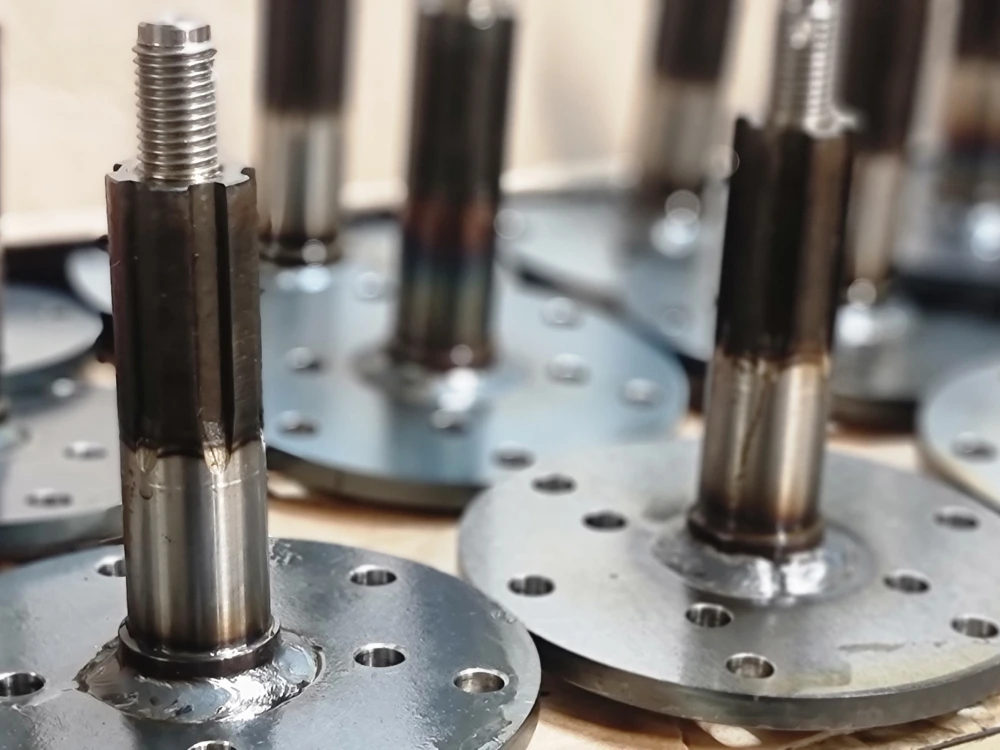
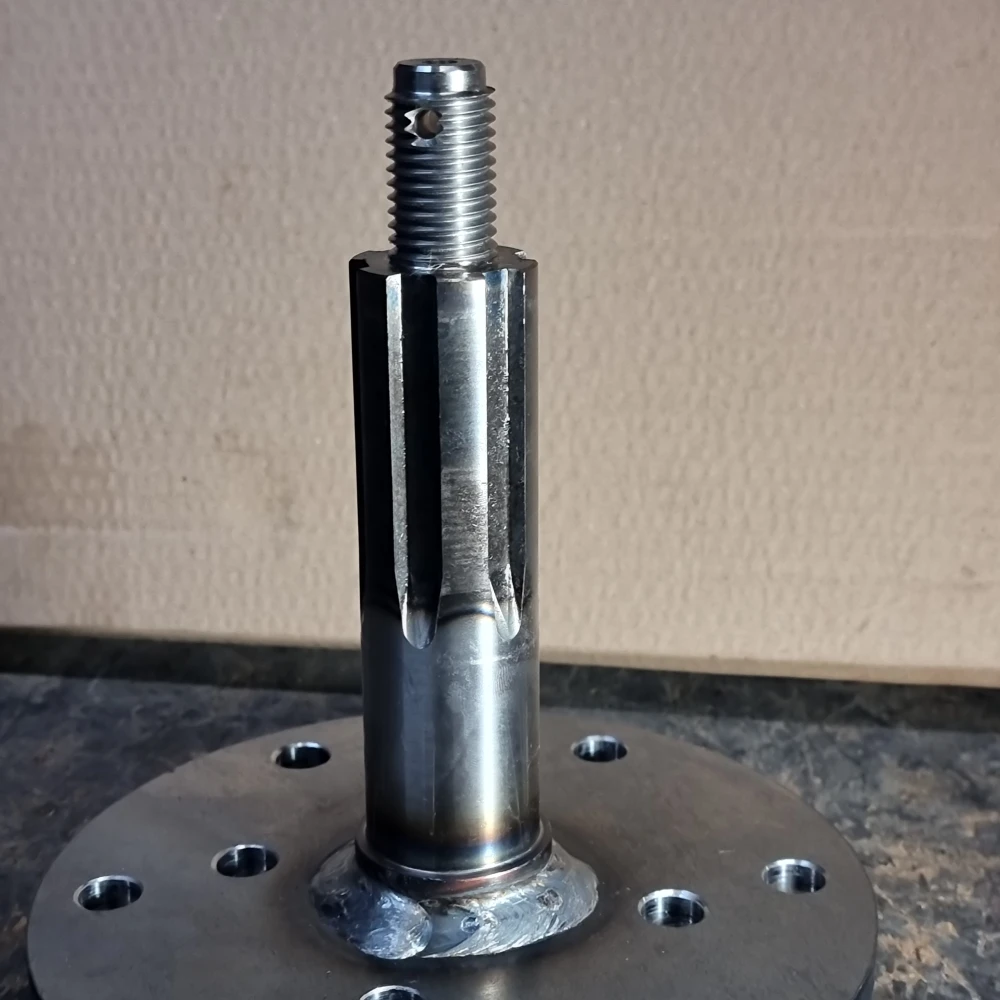
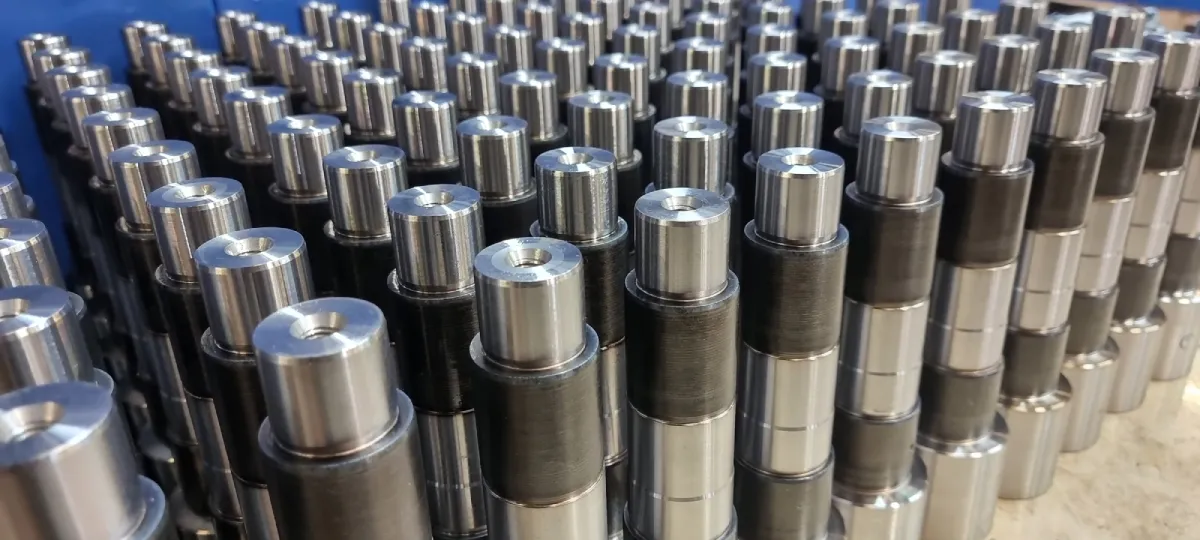
Induction hardening is a precision heat treatment process delivered by Subcon Group as part of its UK manufacturing operations, providing targeted surface hardening for steel components that require high wear resistance without loss of core toughness. The process uses high-frequency electromagnetic induction to rapidly heat selected areas of a component, followed by controlled quenching to produce a hardened surface layer with tightly defined depth and hardness. This approach is particularly effective for components exposed to cyclic loading, impact or sliding contact, where performance depends on a hard working surface supported by a resilient core.
Localised Hardening with Minimal Thermal Impact
The induction hardening process applies heat only where it is required, allowing surface zones to reach hardening temperature within seconds while leaving surrounding material largely unaffected. Once the surface reaches the correct temperature range, rapid quenching transforms the heated layer into a hard, wear-resistant microstructure. Because the bulk of the component is not subjected to prolonged heating, distortion and dimensional change are kept to a minimum. Subcon Group applies this process to components where precision, stability and repeatability are essential to overall manufacturing quality.
Precision Control and Repeatable Results
Induction hardening offers a high level of control over case depth, hardness profile and heat-affected zone, making it suitable for components with complex geometries or mixed functional areas. Shafts, gear teeth, cams, splines and bearing journals can be selectively hardened to meet exact performance requirements without unnecessary processing of non-critical areas. At Subcon Group, process parameters such as power input, frequency and quench control are carefully managed to ensure consistent results across batches, supporting predictable downstream machining, assembly and inspection.
Key Advantages of Induction Hardening
with Subcon Group
- UK-based manufacturing capability with controlled induction hardening processes

- Highly localised heating, reducing distortion and dimensional movement

- Tailored surface hardness and case depth to suit application demands

- Improved wear resistance and fatigue life for dynamic components

- Preservation of core toughness for impact and load resistance

- Suitable for components with complex geometry or selective hardening needs
- Consistent, repeatable outcomes that support precision production

Reduced component distortion, supporting tighter tolerances and less post-treatment machining

Consistently tight tolerances across single components and large production batches

Faster processing cycles compared to conventional furnaces, enabling shorter lead times

Improved wear resistance and fatigue life, reducing in-service failure rates

Minimal oxidation and surface degradation, enhancing component finish and performance

Suitable for both low-volume precision work and high-volume production runs
Frequently Asked Questions
What is induction hardening and how does it support manufacturing efficiency?
Induction hardening is a controlled heat treatment process designed for efficient, high-throughput manufacturing. It uses rapid, localised heating with short cycle times, allowing components to be processed quickly without compromising quality. Because only selected areas are hardened, energy consumption is reduced and the risk of unwanted microstructural changes elsewhere in the component is minimised.
How does induction hardening integrate with modern manufacturing workflows?
Induction hardening integrates easily into wider manufacturing processes, making it suitable for modern production environments where efficiency and control are critical. At Subcon Group, the process is aligned with existing workflows to help maintain throughput, control costs and meet production schedules while delivering consistent, high-performance results.
Which industries commonly use induction hardening?
Induction hardening is widely used across demanding sectors including automotive, aerospace, industrial machinery, heavy equipment and general engineering. It is particularly suited to components that operate under repeated stress, surface contact or cyclic loading conditions.
What performance benefits does induction hardening provide to components?
The process produces a hardened surface layer that improves wear resistance and fatigue strength, while retaining a tough, ductile core. This combination helps components withstand service loads and reduces the risk of cracking or brittle failure during operation.
How is quality assured during the induction hardening process?
Quality assurance is central to Subcon Group’s induction hardening service. Key parameters such as heating frequency, dwell time and quench performance are closely monitored to ensure compliance with customer specifications and relevant standards. Inspection and documentation confirm that surface hardness and case depth meet defined requirements.
Why choose Subcon Group for induction hardening in the UK?
Induction hardening is part of Subcon Group’s specialist heat treatment capability, delivered within the UK. By combining precise, repeatable surface hardening with strong manufacturing expertise and robust quality control, Subcon Group provides a reliable solution for components where surface performance is critical to overall function.
Additional Services
Salt Bath Carburising
Salt bath heat carbonising is a highly controlled thermo-chemical heat treatment process used to enhance the surface performance...
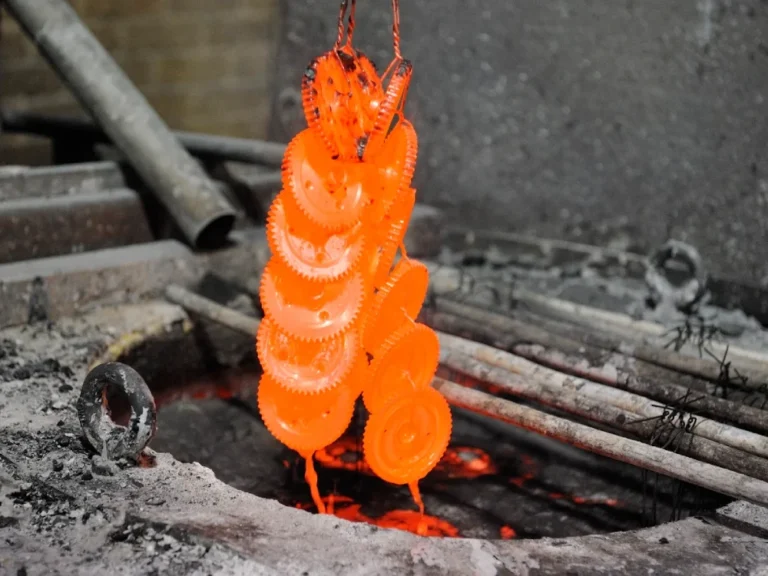
Case Hardening
Case hardening is a widely used and proven heat treatment process delivered by Subcon Group, a UK-based manufacturing specialist...
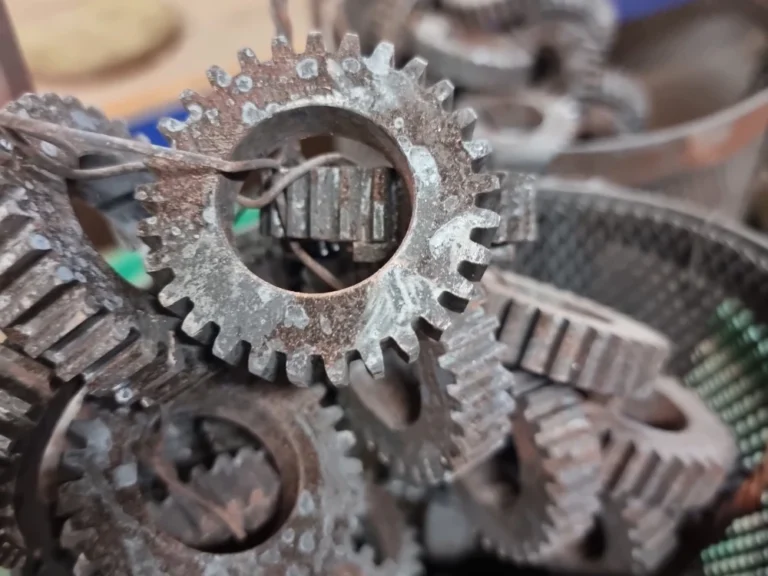
Stress Relieving
Stress relieving is a specialist heat treatment process offered by Subcon Group, a UK manufacturer with in-house capability...
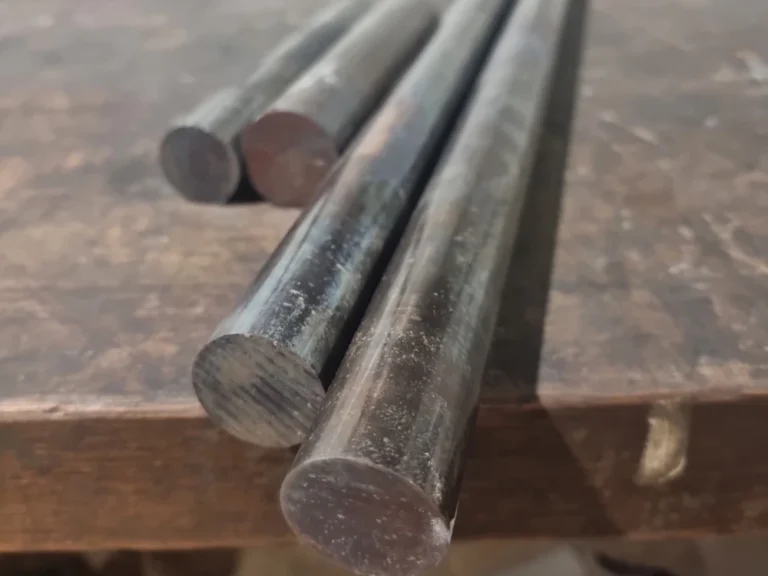
Perciptation & Age Hardening
Precipitation and age hardening is a specialist heat treatment process delivered by Subcon Group within its UK manufacturing capability...
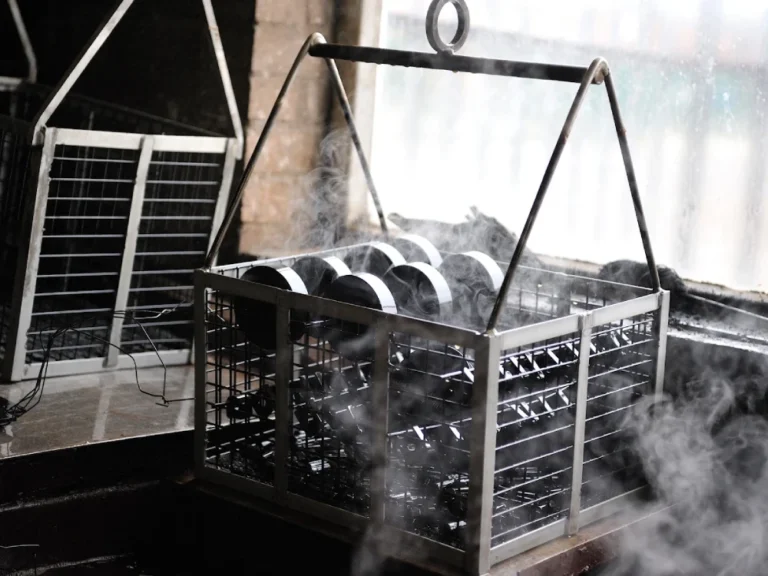
Hot Chemical Blackening
Hot chemical blackening is a controlled surface finishing process carried out by Subcon Group within its UK manufacturing operations...
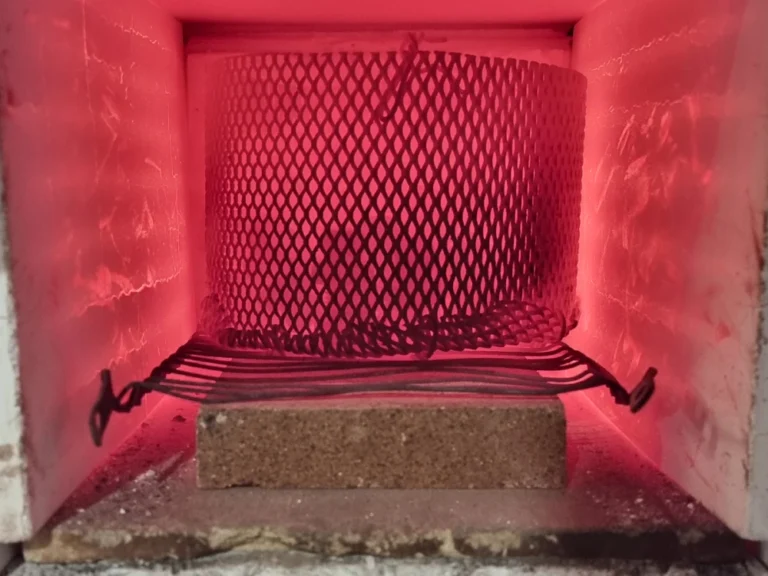
Normalising
Normalising is a foundational heat treatment process carried out by Subcon Group as part of its UK manufacturing capability...
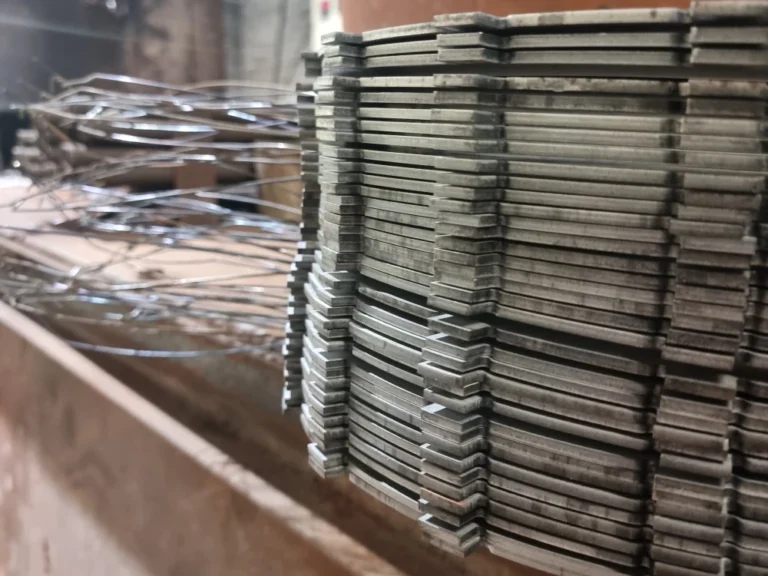
Salt Bath Hardening
Salt bath hardening is a precision heat treatment process delivered by Subcon Group as part of its UK manufacturing operations...
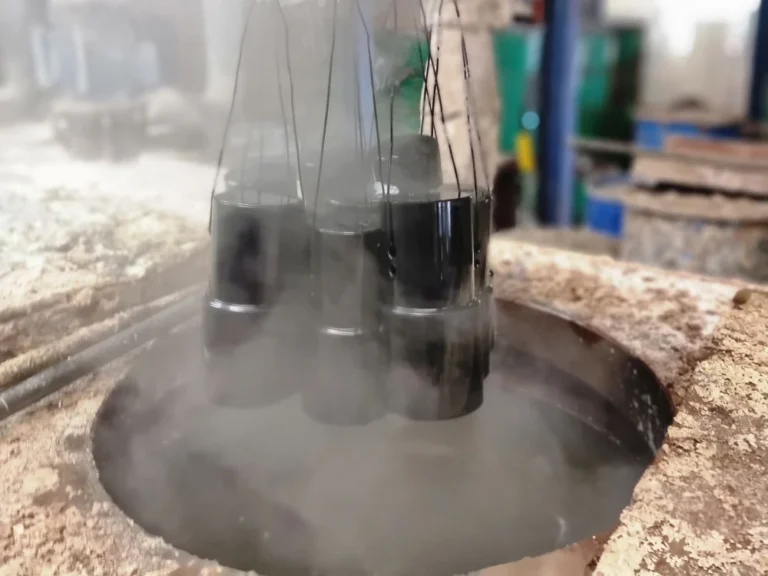
Tuffride Q & QPQ
Tuffride Q and QPQ are advanced salt bath nitriding processes carried out by Subcon Group within its UK manufacturing operations...
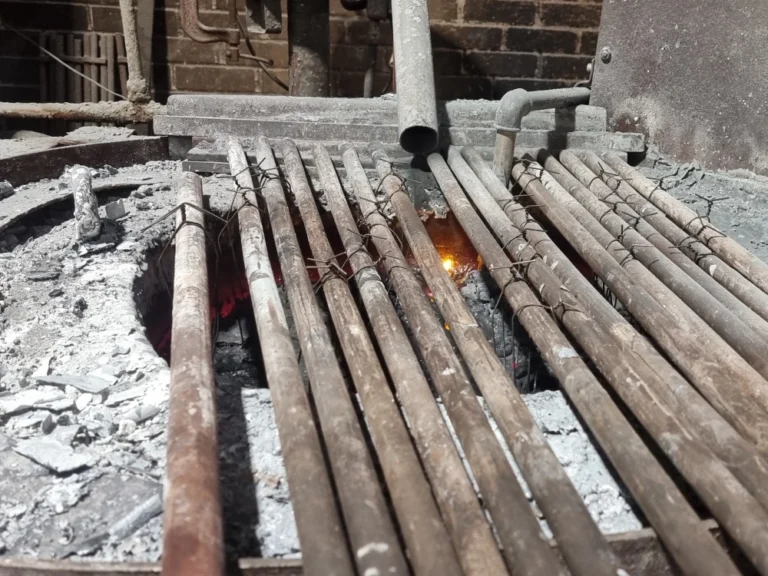
Carbonitriding
Carbonitriding is a thermo-chemical heat treatment process delivered by Subcon Group as part of its UK manufacturing...
Annealing
Annealing is a fundamental heat treatment process carried out by Subcon Group within its UK manufacturing capability...
Get in touch
Start Your Project with Us
For quotes or technical support, contact our team. We respond quickly and provide clear guidance for your requirements.