Industries We Serve
Aerospace
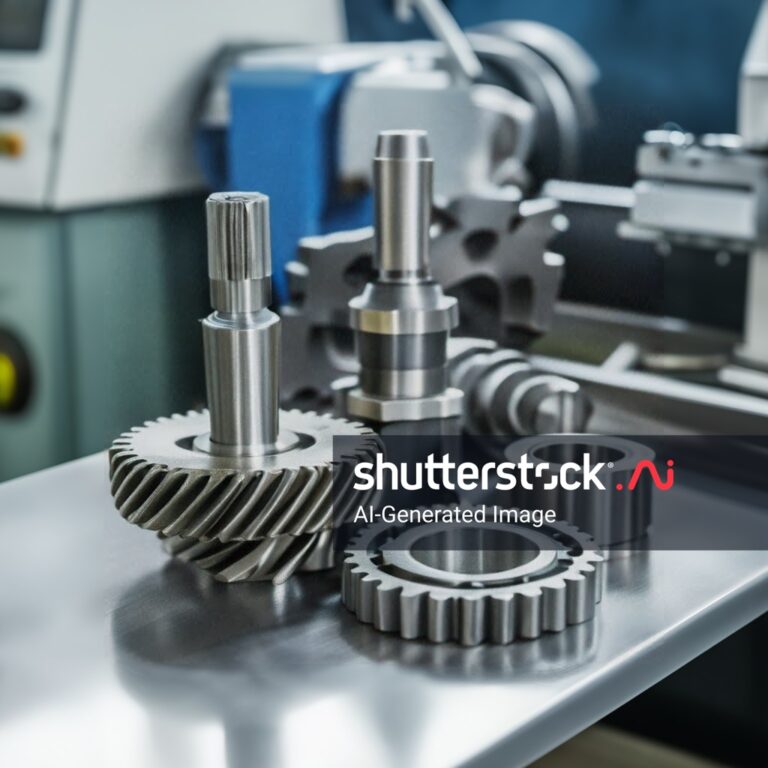
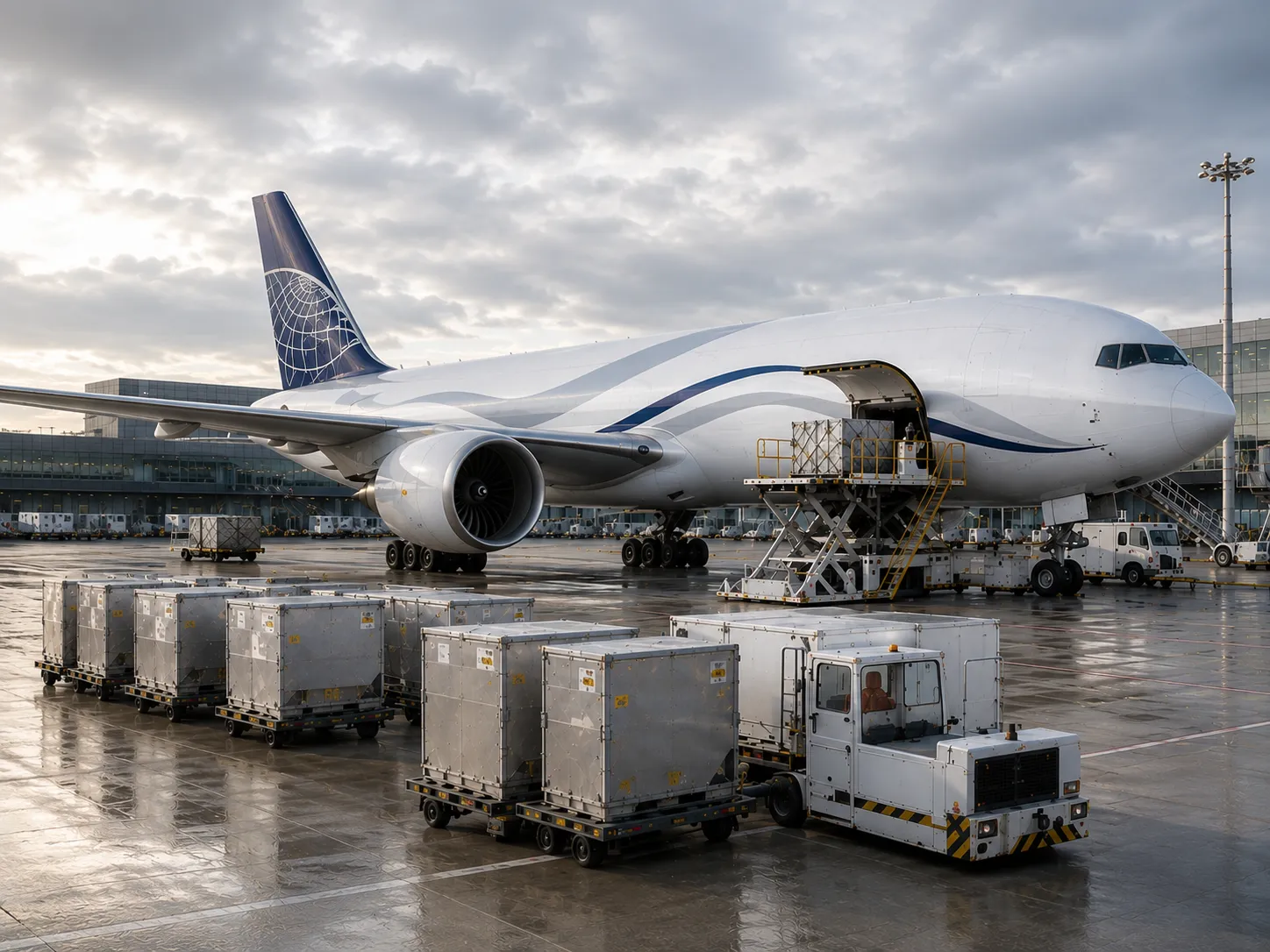
Subcon Group supports aerospace programmes through an integrated combination of precision machining and specialist heat treatment, delivering components where accuracy, repeatability and material performance are critical. Using CNC machining, CNC milling, manual turning and manual milling, Subcon Group manufactures components such as actuator housings, brackets, shafts, pins, bushings, bearing seats and structural fittings from aerospace-grade materials.
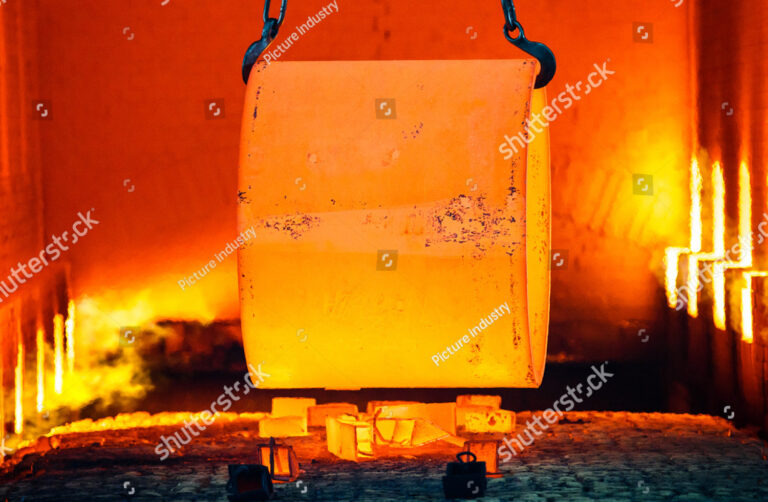
These components are supported by heat treatment processes including Case Hardening, Induction Hardening, Stress Relieving, Normalising and Precipitation and Age Hardening to enhance fatigue resistance, dimensional stability and long-term reliability. Stress relieving and normalising stabilise machined parts prior to finishing, while precipitation hardening is applied to high-strength alloy components where consistent mechanical performance is essential in safety-critical aerospace applications.
Electronics
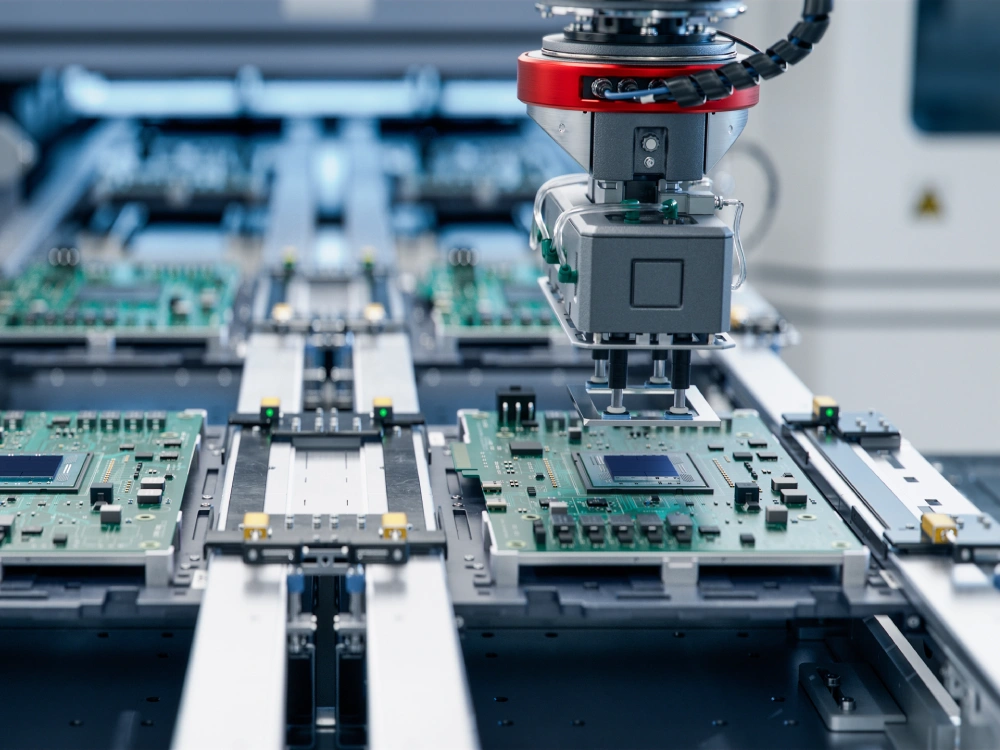
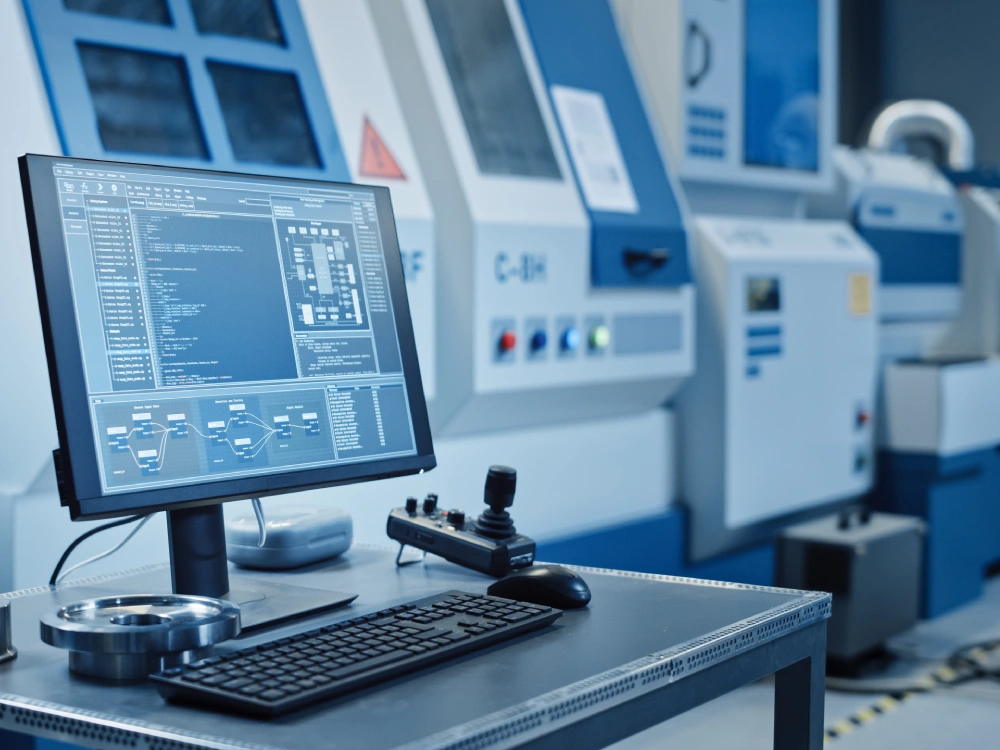
In electronics manufacturing, component stability, precision and consistency are essential to reliable assembly and operation. Subcon Group provides CNC machining, CNC milling, manual turning and manual milling to produce components such as enclosures, heat sinks, mounting frames, fixtures, tooling plates, brackets and mechanical supports.
Heat treatment processes including Annealing, Stress Relieving and Normalising are applied to improve material consistency and reduce internal stresses introduced during machining. These treatments help ensure components maintain dimensional accuracy during assembly and service. Where wear resistance is required on specific features such as guide surfaces or interfaces, Induction Hardening is selectively applied without affecting overall component geometry.
Food Processing
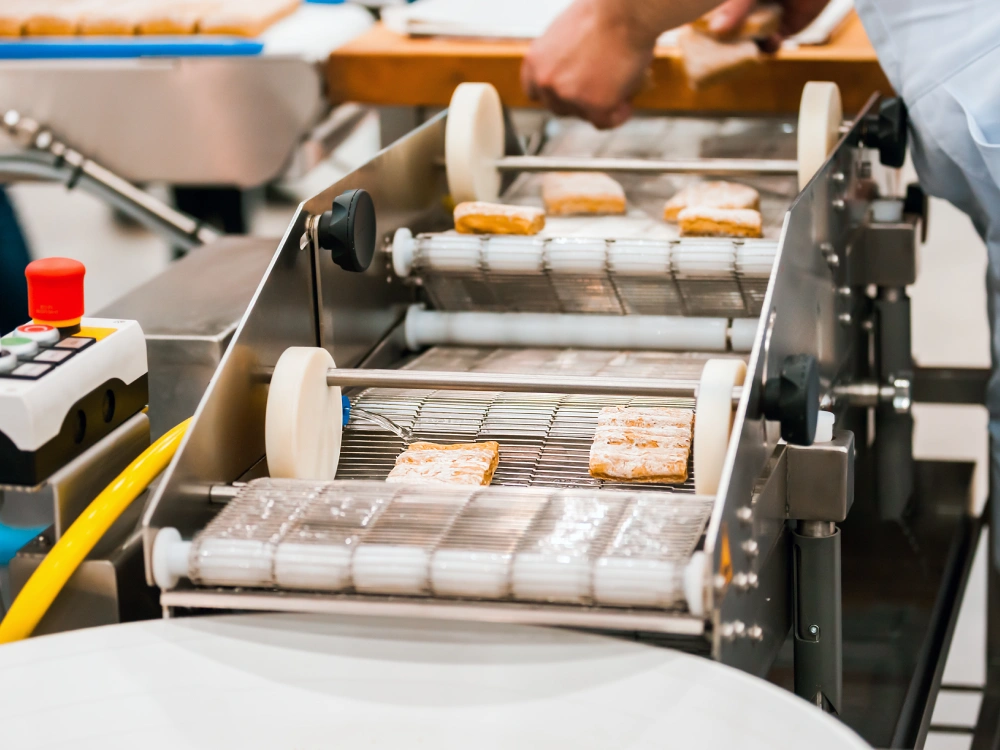
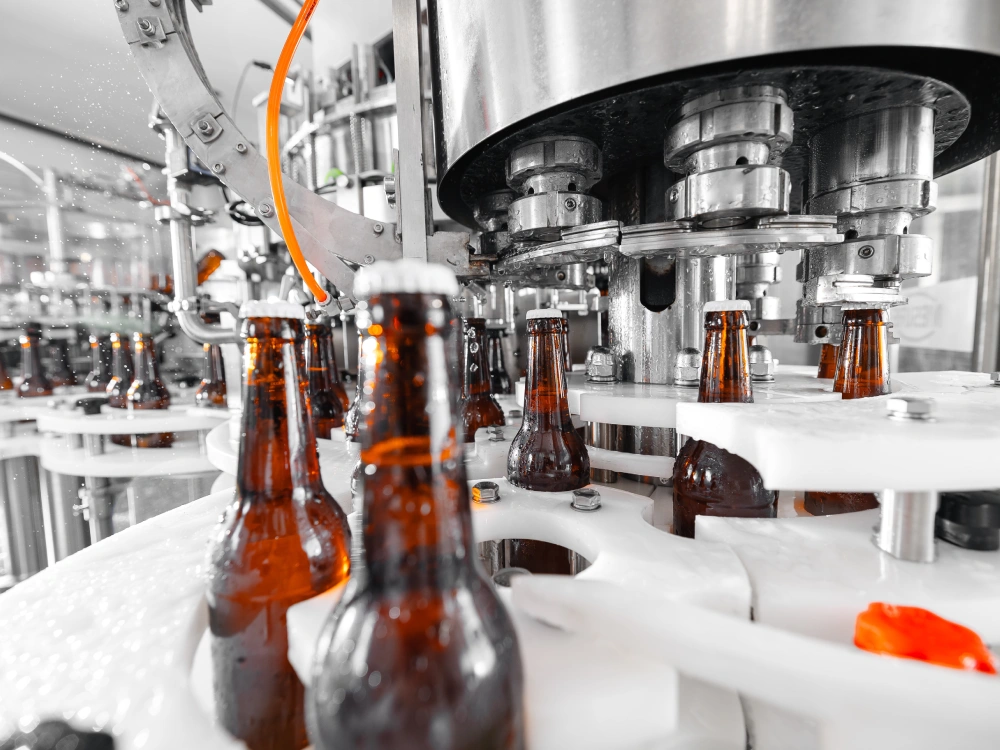
Food processing equipment requires robust, accurately machined components that maintain performance under repeated loading, cleaning and temperature variation. Subcon Group supports this sector through CNC machining, CNC milling, manual turning, manual milling and broaching, manufacturing components such as shafts, rollers, guides, frames, housings, wear plates and mechanical assemblies.
Heat treatments including Stress Relieving, Normalising, Annealing and Hot Chemical Blackening are used to improve structural stability, machinability and surface condition. Stress relieving and normalising help prevent distortion, while annealing supports further machining where required. Hot chemical blackening provides a consistent, low-glare finish with minimal dimensional impact for suitable ferrous components used in non-contact applications.
Marine
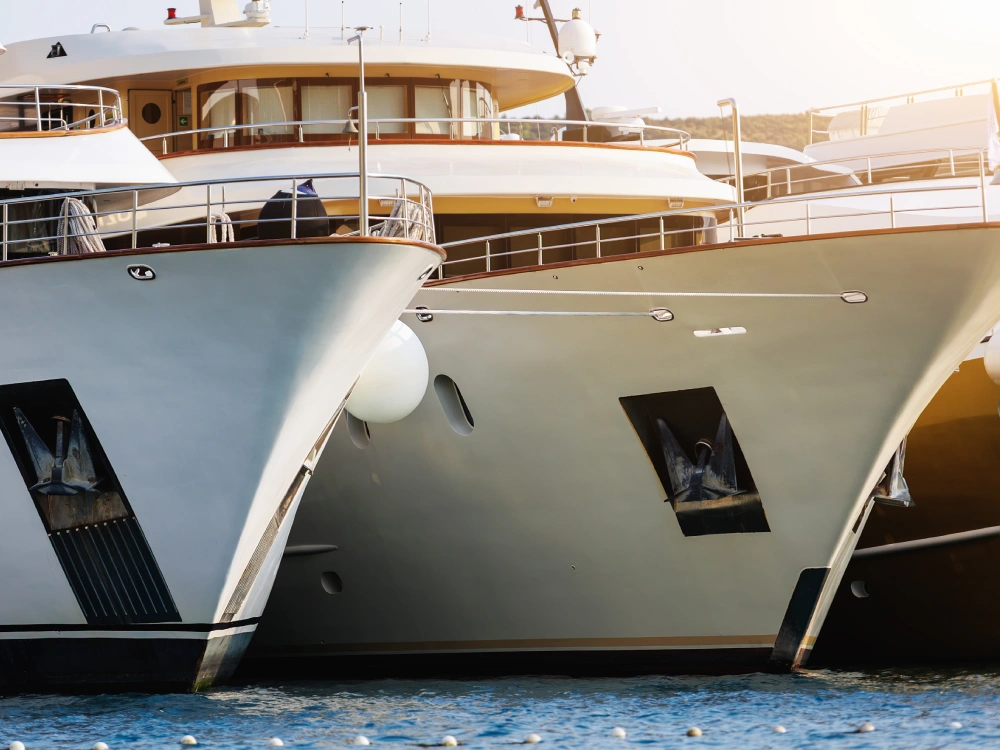
Marine environments place heavy demands on components due to vibration, cyclic loading and harsh operating conditions. Subcon Group supports marine systems by combining CNC machining, CNC milling, manual turning, manual milling and broaching to manufacture components such as shafts, couplings, flanges, brackets, bearing housings, mechanical linkages and structural parts.
These components are enhanced through heat treatments including Induction Hardening, Carbonitriding, Tuffride Q & QPQ and Stress Relieving. Induction hardening and carbonitriding improve wear resistance on journals and mating surfaces, while Tuffride Q & QPQ increase fatigue strength and corrosion resistance. Stress relieving stabilises components following machining or fabrication, supporting dimensional integrity in demanding marine applications.
Packaging
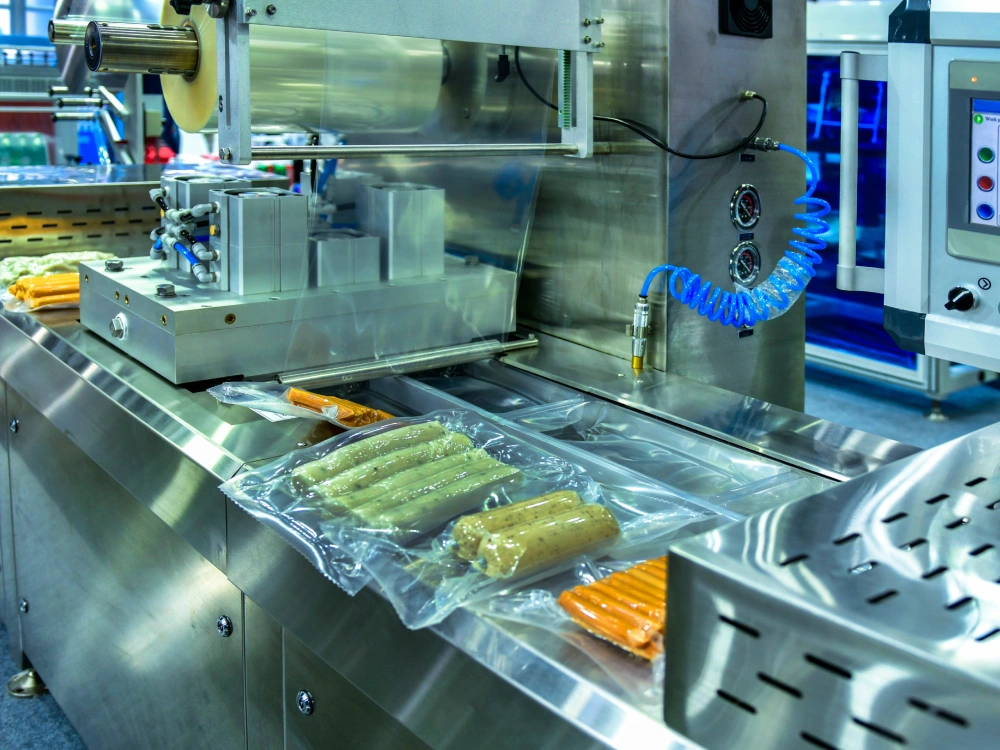
High-speed packaging machinery relies on precision components capable of operating continuously with minimal wear or downtime. Subcon Group delivers this through CNC machining, CNC milling, manual turning, manual milling, CNC routing and broaching, producing components such as cams, guides, drive shafts, sprockets, housings, wear components and tooling parts.
Heat treatment processes including Case Hardening, Salt Bath Hardening, Carbonitriding and Stress Relieving are applied to improve wear resistance, strength and stability. Case hardening and carbonitriding protect wear-critical features, while salt bath hardening provides uniform through-hardening where required. Stress relieving ensures components remain stable after machining, supporting consistent machine performance.
Military
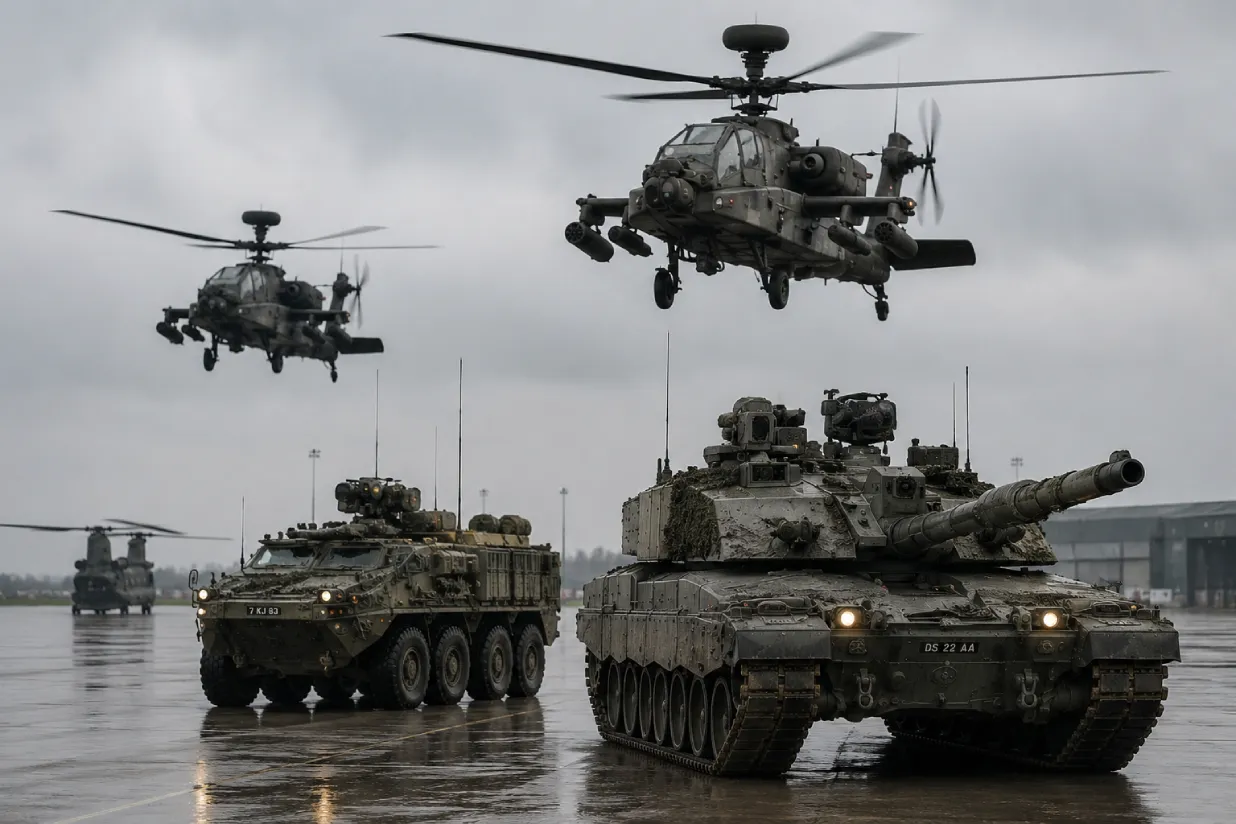
Military and defence applications require robust, precision-engineered components capable of performing under extreme conditions. Subcon Group combines CNC machining, CNC milling, manual turning, manual milling and broaching to produce components such as mechanical housings, brackets, shafts, pins, couplings, mounts and structural assemblies.
These are supported by heat treatments including Induction Hardening, Carbonitriding, Salt Bath Hardening, Tuffride Q & QPQ and Stress Relieving. Hardening processes enhance surface durability and fatigue strength, while Tuffride Q & QPQ improve corrosion resistance and service life. Stress relieving stabilises components prior to finishing. UK-based manufacturing supports controlled production and secure supply chains.
Original Equipment Manufacturers (O.E.M)
Subcon Group supports OEM programmes by delivering complete manufacturing solutions that combine precision machining and heat treatment within a single UK partner. Machining services including CNC machining, CNC milling, manual turning, manual milling, CNC routing and broaching support components such as production parts, sub-assemblies, housings, shafts, tooling components and mechanical interfaces.
Heat treatment services including Case Hardening, Carbonitriding, Induction Hardening, Stress Relieving, Normalising, Annealing and Surface Engineering processes are applied to enhance performance, durability and consistency. This integrated capability allows OEMs to streamline supply chains, reduce handling risk and scale production from prototype through to full manufacture.
Pharmaceutical
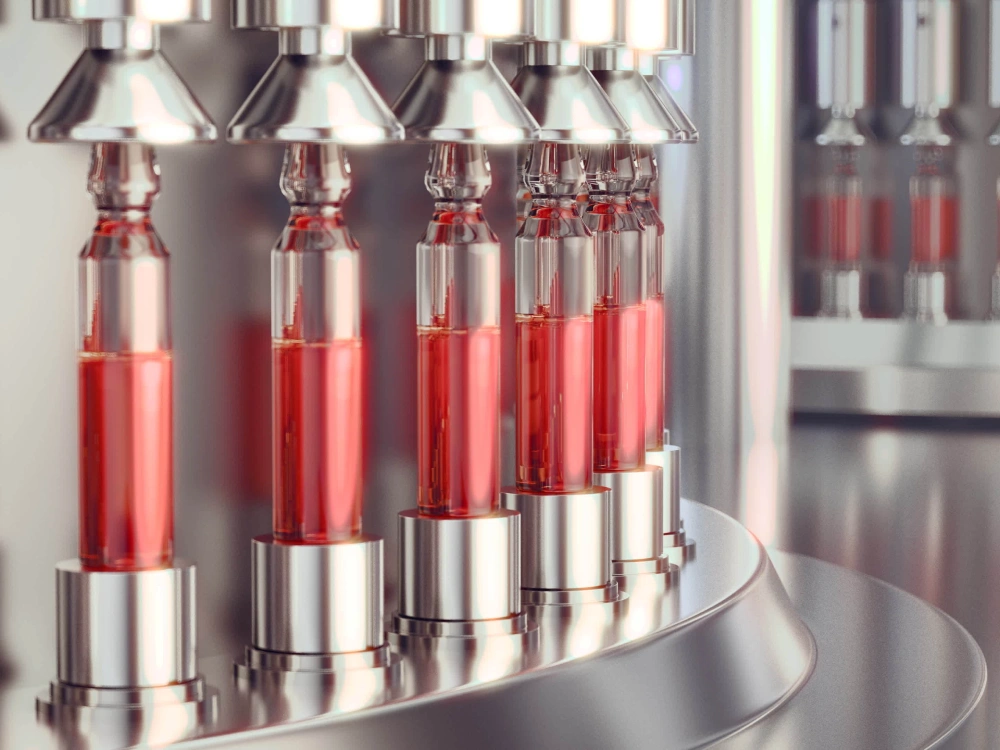
Pharmaceutical manufacturing requires precision components with stable material behaviour and high dimensional accuracy. Subcon Group supports this sector through CNC machining, CNC milling, manual turning and manual milling, producing components such as equipment parts, brackets, housings, tooling components, fixtures and mechanical supports.
Heat treatments including Annealing, Stress Relieving, Normalising and controlled hardening processes are applied to improve material stability and consistency. These treatments help ensure components maintain integrity during assembly, operation and cleaning cycles, supporting reliable performance in controlled and regulated environments.
Research & Development (R&D)
Frequently Asked Questions
Scalable CNC turning allows initial prototypes to be produced for design and functional validation, and once approved, production volumes can be increased seamlessly without any change in process or quality, ensuring continuity from development through to full production.
CNC turning can be seamlessly combined with secondary machining operations such as milling, drilling, broaching, and finishing. Subcon’s integrated machining capability enables all required processes to be carried out in-house, reducing external handling, simplifying the supply chain, and ensuring consistent quality for complete component manufacturing.
Effective CNC turning depends on design factors such as wall thickness, tolerances, and internal geometries. Subcon provides engineering support to review and refine designs for manufacturability, helping to optimise machining efficiency, control costs, and reduce potential production issues without compromising component functionality.
Subcon’s CNC turning services are built around consistent machine performance, controlled manufacturing processes, and experienced operators. This structured approach ensures dependable quality, predictable delivery, and long-term manufacturing stability for customers with ongoing supply requirements.