
Precision Engineering Manual Turning
Precision manual turning remains essential in UK manufacturing, delivering accurate components for prototypes, custom parts, and low-volume production.
What is Precision Engineering Manual Turning?
Precision engineering is a cornerstone of modern manufacturing. Supplying various industries with high-quality components that deliver accuracy, reliability and control deemed paramount in meeting vital operational needs. Within this discipline of engineering is manual turning, a highly valuable machining process that also retains its traditionality and craftsmanship.
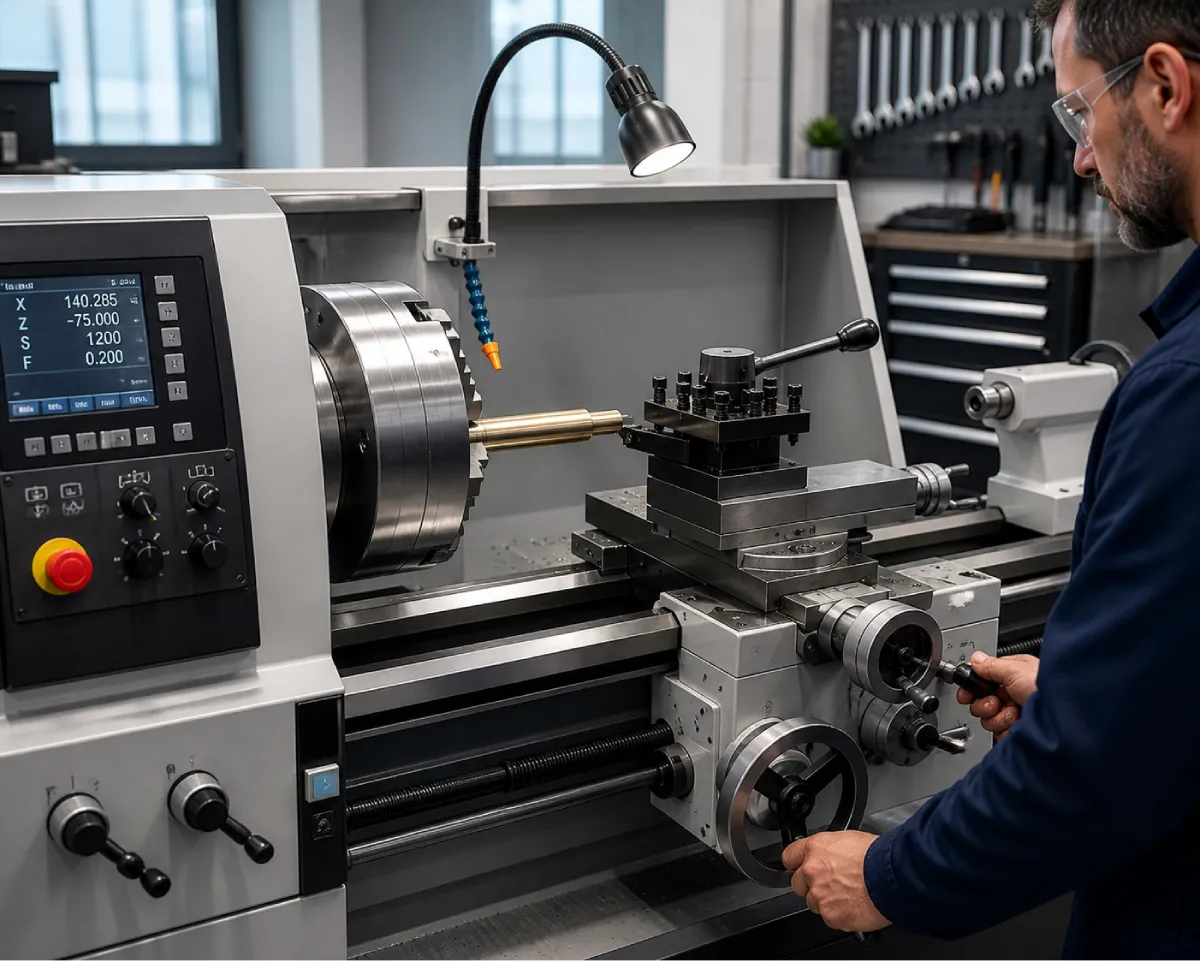
Where modern manufacturing may have embraced automation, manual turning services in the UK still remain essential. For applications needing flexibility, quick adjustments, and specialist expertise, such as one-off components, prototypes and small batch productions, manual turning is crucial. The process relies entirely on highly-skilled machinists to operate a lathe by hand, making it both a technical discipline and a craft.
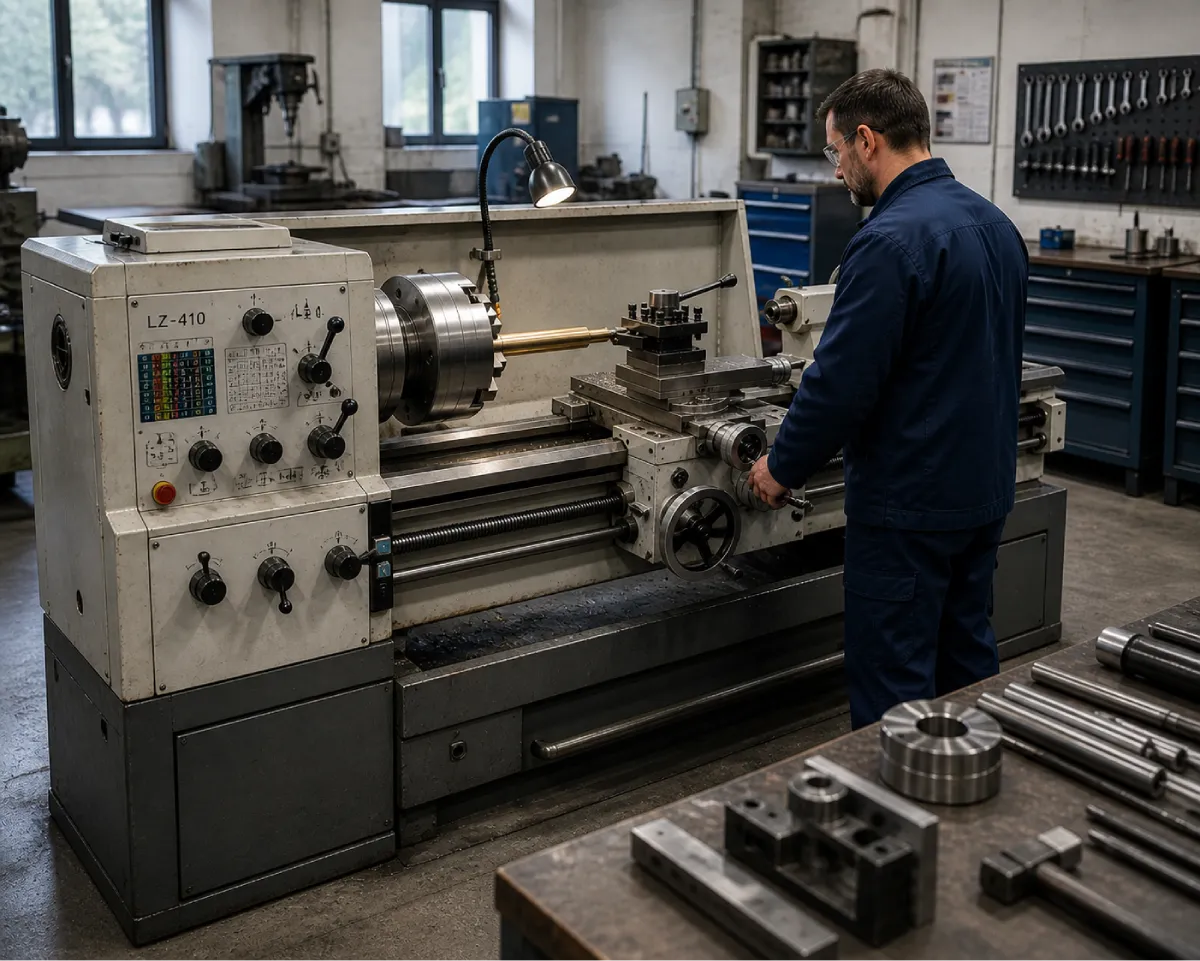
By controlling the precise movement of a cutting tool to shape a rotating workpiece, typically into cylindrical or symmetrical components, whilst also adjusting feed rates, cutting depths, and speed throughout the operation, means this hands-on approach creates acute attention to detail and adaptability.
At Subcon Group, manual turning experts are able to provide this subtractive manufacturing method at exceptionally high levels with 100 years of combined industry experience. Offering cost-effective, rapid and flexible solutions for low volume and simple machined parts, Subcon Group turning services are setting themselves apart to become industry leaders.
The Manual Turning Process Explained - A Full UK Guide
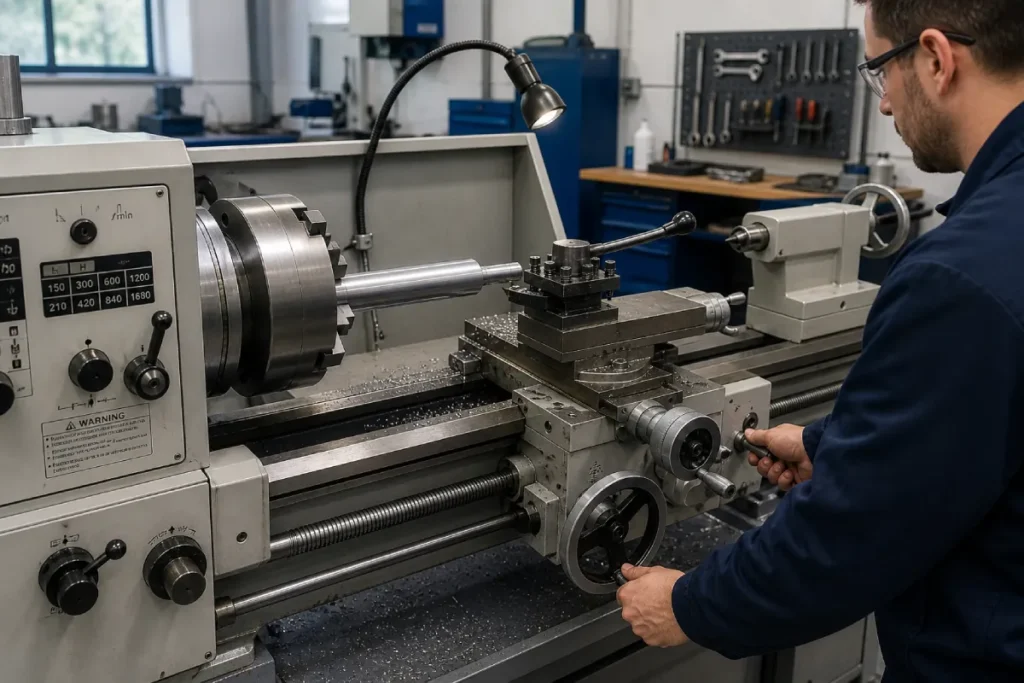
The process of manual turning employs the craftsmanship of highly-skilled machinists that follow a well-structured workflow using traditional lathes. Unlike computer lead programmes, this hands-on approach allows for fine control over tolerances, improved surface finishes and reactive response to material behaviour or machining conditions immediately that leads to consistent results.
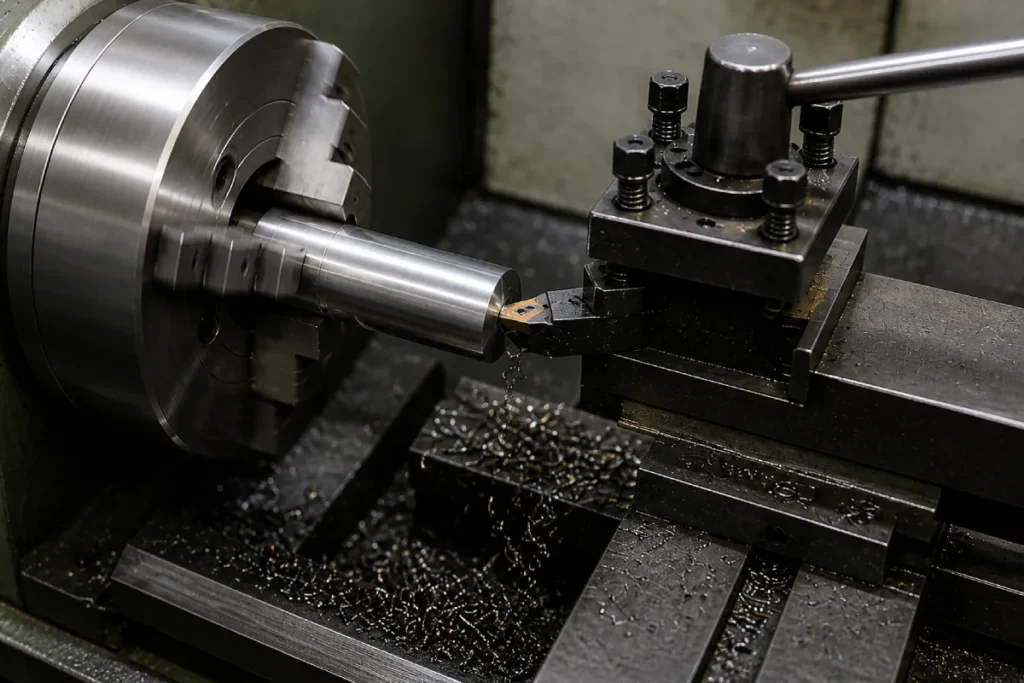
Workpiece Setup: Firstly, the material is secured in the lathe chuck and rotated at a controlled speed, forming the basis of the operation. Tool Control and Machining: The machinist then manually positions and feeds the cutting tool across the rotating material, controlling elements such as the depth of cut, feed rate, and tool angle throughout the process. This direct control allows for adjustments to be made instantly, ensuring accuracy is maintained. Material Removal and Shaping: Next, material is gradually removed to create the required geometry. This process is particularly effective for cylindrical forms, stepped diameters, grooves, and threaded features. Finishing and Inspection: Finally, the component is refined and checked to ensure it meets required tolerances and surface finish standards before completion.
Engineering Materials Used in Manual Turning
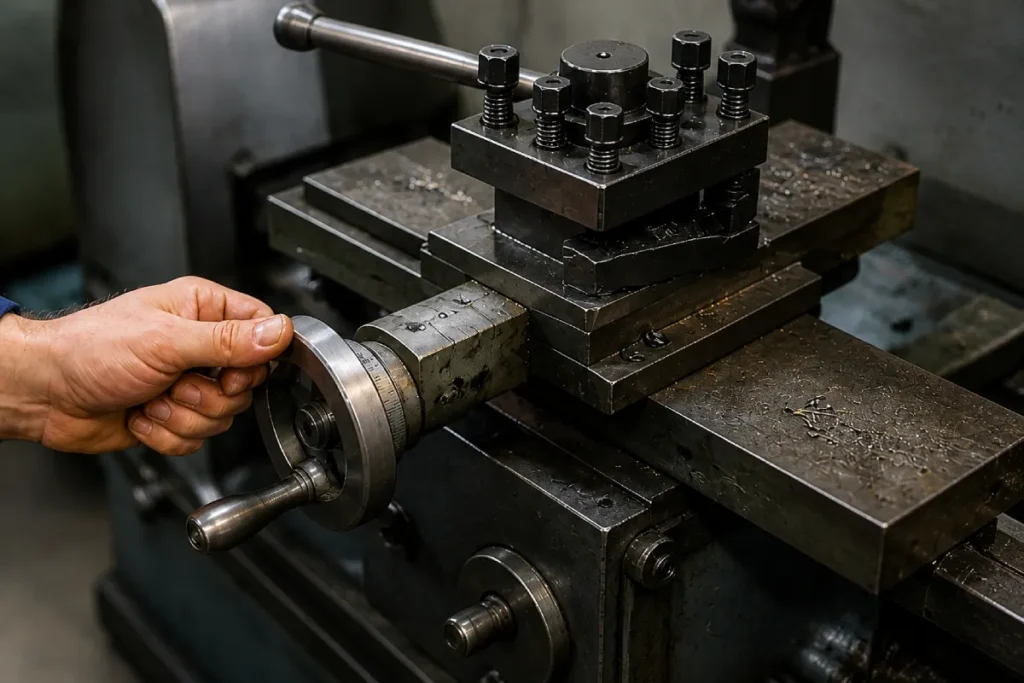
Manual turning is highly suitable for a wide range of engineering materials, from mild steels to engineering plastics, due to its ability to manually adjust machining parameters, so each material can be processed efficiently. This allows components to be specifically tailored for performance requirements, whilst also maintaining both dimensional accuracy and surface quality.
Common Engineering Steels Used in Manual Turning
Mild steel and alloy steels are typically used in manual turning services to produce structural and load-bearing components such as shafts and mechanical parts. Whilst stainless steel is selected more often where corrosion resistance is required, particularly in environments that are exposed to moisture, chemicals, or hygiene requirements.
Lightweight and Conductive Materials in Manual Turning
Aluminium is widely used for lightweight components, such as housings, spacers, and rotating elements, as this type of material offers good machinability and strength-to-weight ratio. Brass and copper are particularly suitable for precision fittings and connectors, where conductivity or wear resistance is important for application.
Subcon Group Precision Engineering Manual Turning Services
The Benefits to Partnering with the UK-Based Manufacturing Business
Subcon Group manual turning services excel in providing a complete solution for both bespoke and production needs in modern manufacturing. Combining highly-skilled manual machining with advanced manufacturing capabilities, Subcon Group manual turning service experts produce components with the accuracy, reliability, and performance required across modern industrial applications.
With a commitment to quality and customer satisfaction, and 24 hour quotations available, Subcon Group turning services are ideal precision engineering partners across many industries, including electronics, aerospace, food processing equipment and more.
Supporting Modern Manufacturing
Subcon Group recognises that where modern CNC machining may govern large-scale production, manual turning complements it as a necessary supporting process in precision engineering. Subcon Group manual turning services provide technical expertise that offer high levels of flexibility and sharp dimensional control, whilst using real-time adjustments in machining. Making the process highly suitable for prototype development and specialist component manufacturing, where a rapid response to changing requirements is essential. Subcon Group is equipped and able to support modern manufacturing to the highest standard.
Flexibility and Adaptability
A key advantage of Subcon Group turning services is the capability to deliver flexible and responsive manufacturing support to modern industries through traditional means. Subcon Group manual turning services promote a level of flexibility that is difficult to replicate within automated systems. By mitigating the need for computer programming, components can be produced quickly and adjusted in real-time during the lathe machining process. The shorter set-up times of this hands-on approach, compared to CNC machining, makes it an ideal application for bespoke manufacturing, such as one-off components, time-sensitive projects and small production runs. This responsiveness is particularly valuable in industries such as logistics automation, where downtime or delays can have significant operational impact.
Application-Driven Engineering at the Forefront
Subcon Group precision engineering manual turning process allows for real-word applications where concerntricity, diameter control, and surface finish directly impact performance. Subcon Group offers craftsmanship beyond measure. With many years of practical, hands-on experience in manually machining a wide range of engineering materials and component types, Subcon Group engineers are highly-skilled to quickly move from concept to finished part, without the need for computerised programming.
This highly-accurate and consistent approach supports low-volume production, prototype development and specialist component manufacturing, where speed of response and adaptability are key. It also makes it ideal for time-sensitive or custom projects.
Manual Turning in Real-time Application
Subcon Group manual turning experts are exceptionally proficient at engineering rotational parts, such as stepped drive shafts, idler shafts and roller cores. These components are often used in conveyor systems and utilised in industries such as logistics and distribution centres, where smooth rotation and load handling are vital to operational needs.
Subcon Group manual turning services also produce threaded components such as custom adaptors, threaded connectors and coupling elements, where standard thread forms and sizes may not be suitable. Key applications can include fluid and pneumatic systems, where components such as valve stems, nozzle bodies and sealing faces must be hand-machined with incredibly tight tolerances, in order to maintain pressure integrity and prevent leakage.
Other vital industrial components Subcon Group are fully equipped to precision engineer through manual turning include bearing journals and sleeves, due to the lathe operators expertise in dimensional accuracy and surface finish. These parts are then often applied to rotating assemblies to reduce friction and wear and tear. Spacers, collars, and alignment pins are also commonly produced for real-time application within mechanical systems where correct positioning and spacing is essential for operational success. In tooling and manufacturing environments, mandrels, guide pins, and fixture components are hand-machined with precision and accuracy to support vital production processes.
End-to-End Integrated Services from Prototype to Scale
Subcon Group has the infrastructure and expertise to integrate manual turning with its wider CNC machining capabilities. This allows for workpieces to be initially developed and refined manually, with a focus on dimensional accuracy, surface finish and functional performance, before transitioning into repeatable CNC production when required. A seamless route from prototype to scale that delivers reliability and continuity in demanding industrial environments.
Manual Turning vs CNC Turning
Understanding the fundamental difference between manual turning and CNC turning is essential when selecting the right machining approach.
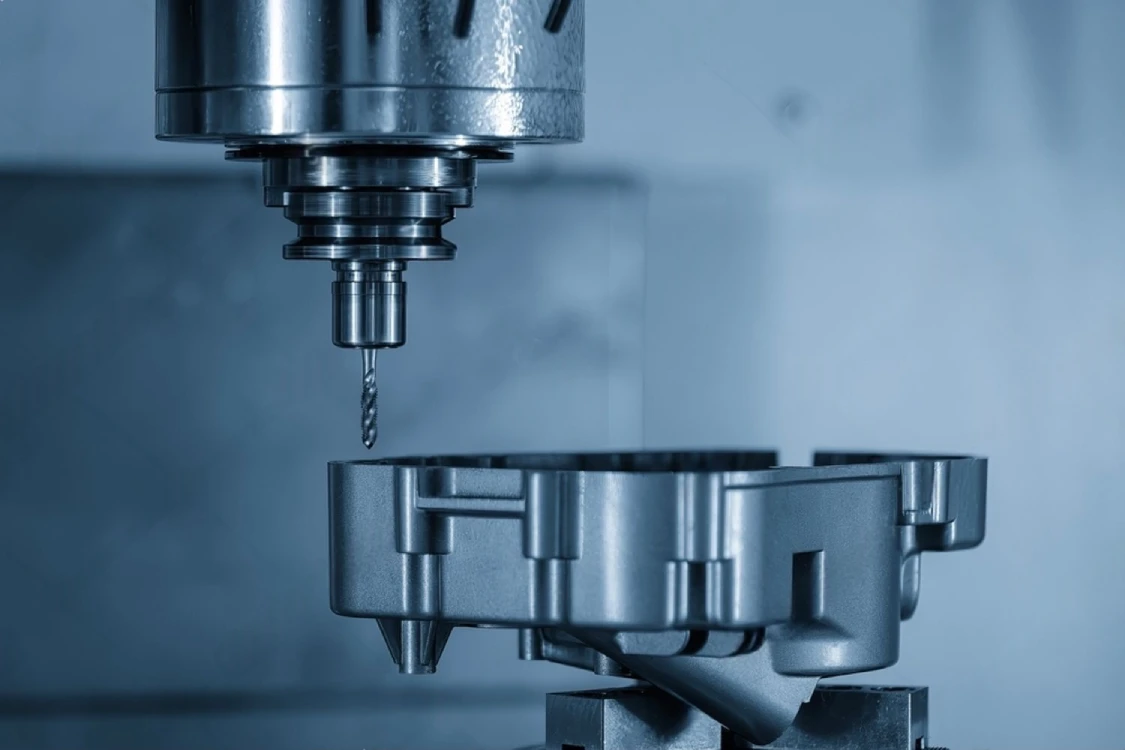
Manual turning offers a high level of control and efficiency by using traditional lathing methods that allows for real-time adjustments during machining. Making this approach ideal for prototypes, custom parts and specialist applications. CNC turning, on the other hand, follows programmed automation to create repeatable and accurate identical parts used for high-scale production and consistent batch manufacturing,
Subcon Group has the precision engineering capability to combine both processes together. Using manual turning expertise for component development and CNC turning for production, Sub-con Group offers a full end-to end manufacturing solution.