
Precision Engineering CNC Milling - A Complete UK Guide.
Precision CNC milling delivers accurate, repeatable components for prototypes, complex parts, and high-volume UK manufacturing.
What is CNC Milling in Precision Engineering?
Precision engineering is at the forefront of modern manufacturing. Specialising in designing, developing and manufacturing components with high levels of accuracy, tight tolerances (often at micron levels) and repeatability, it excels in delivering high performance parts consistently.
One of the driving technologies that is leading this high level of dimensional precision in the manufacturing process is CNC milling (Computer Numerical Control milling). An integral part of advanced precision CNC machining, CNC milling uses rotating cutting tools to remove material from a solid workpiece with the purpose of shaping it into a complex and highly accurate component. Controlled by digital programming, the process ensures repeatability across both prototype development and high-volume production.
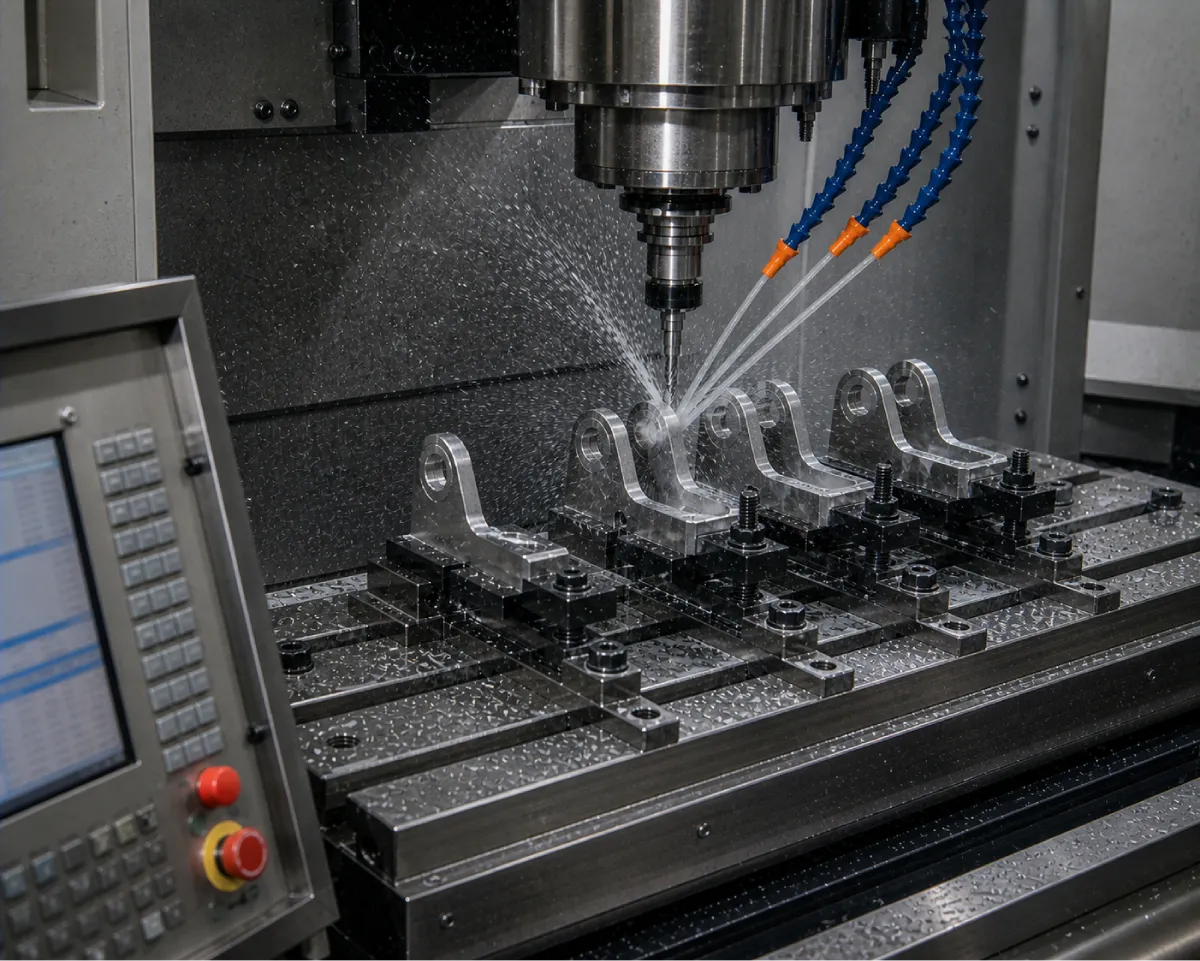
CNC milling is a core capability offered by UK precision-engineering manufacturer Subcon Group that supports a wide range of manufacturing industries. From conveyor systems in logistics to enclosures in electronics and manifolds in fluid systems, Subcon Group CNC milling services specialise in highly detailed, quality-assured machined component production. With a commitment to precision, quality and customer satisfaction, Subcon Group CNC milling services are vital across the modern manufacturing infrastructure. With 24-hour quotation availability, 24/7 operations and on-time delivery, Subcon Group sets itself apart in an ever-competitive industry.
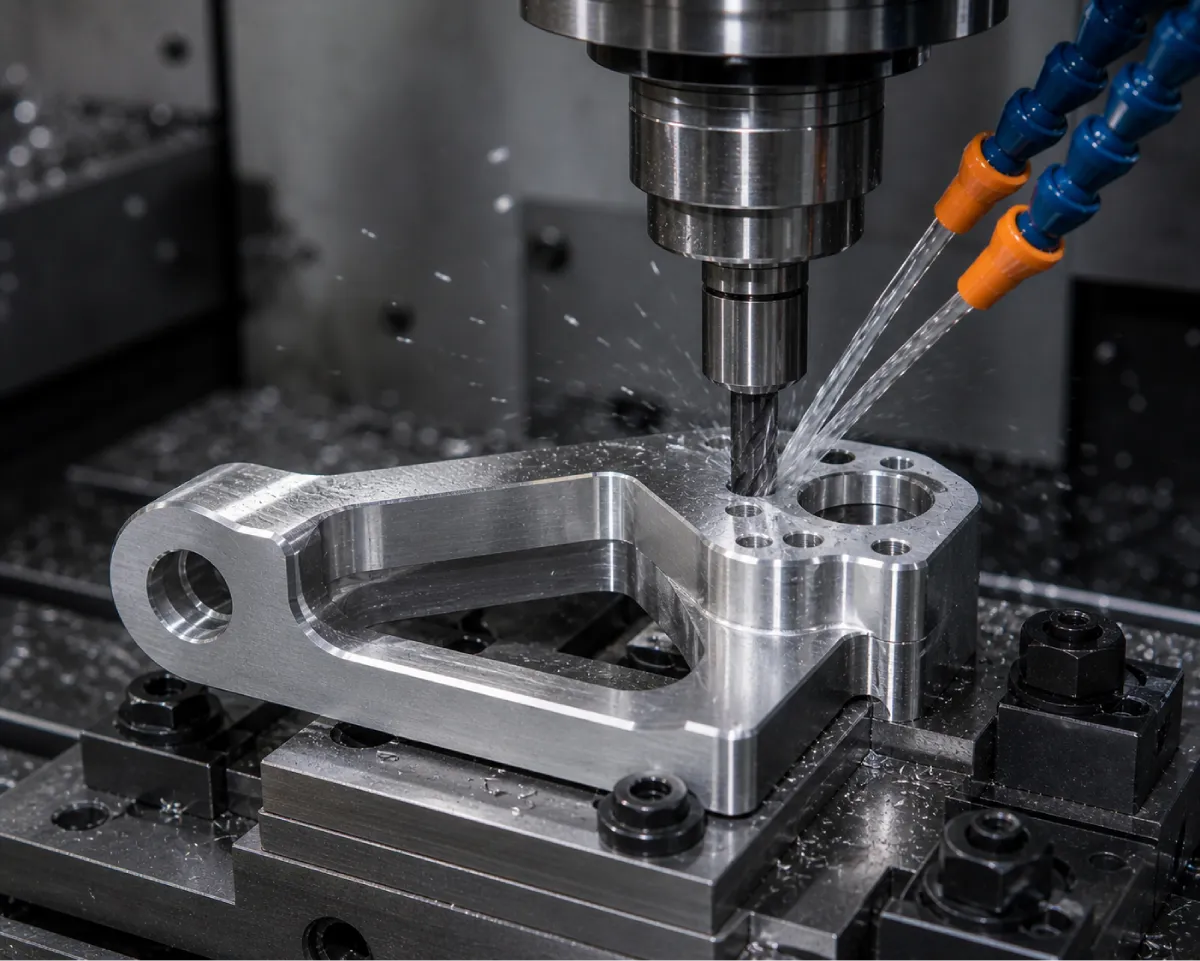
The CNC Milling Process Explained
The CNC milling operation follows a structured digital workflow that enables precision from concept through to final production. CAD Modelling is the initial stage of the process that creates a detailed 3D CAD model of the required component. Defining its geometry, tolerances, and material requirements, allows CNC milling engineers to validate designs before machining begins.
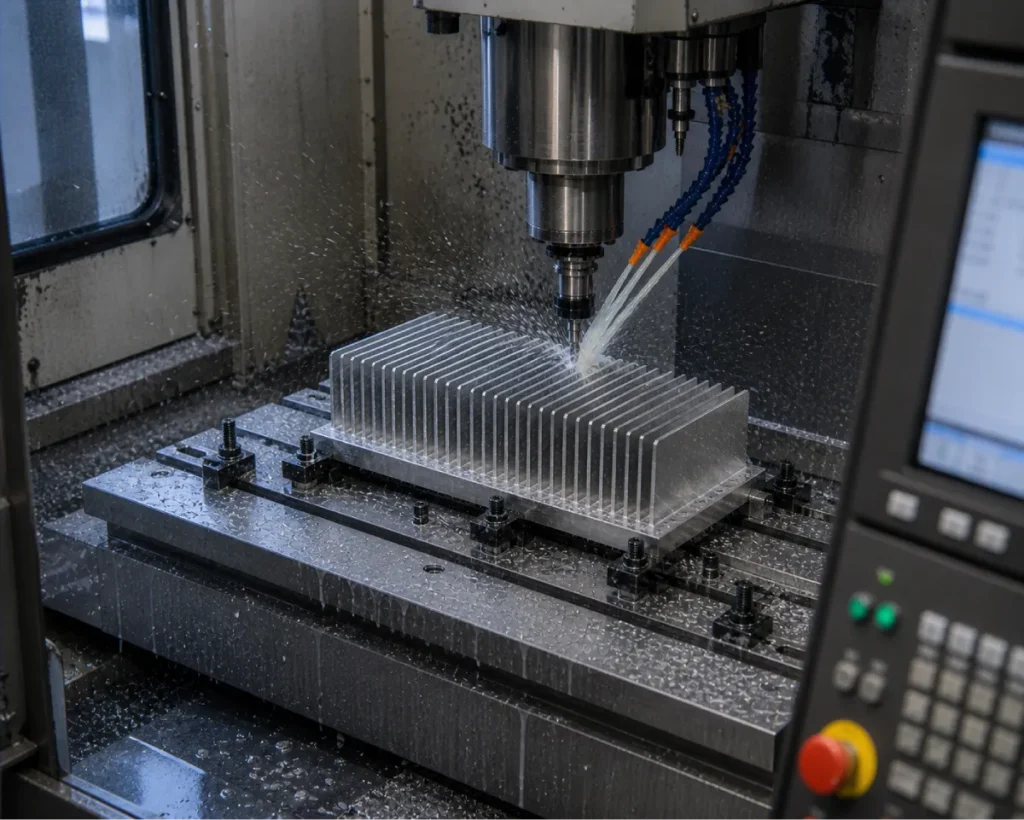
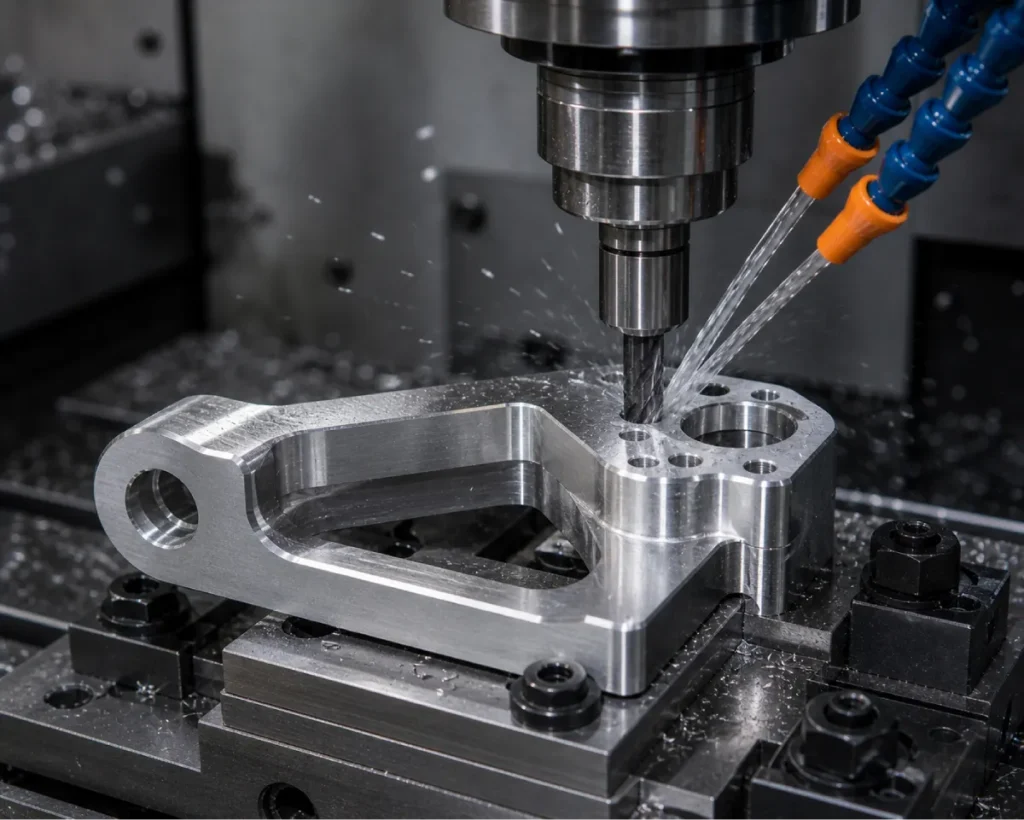
CAM Programming: The CAD model is then translated into G-code using CAM (Computer-Aided Manufacturing) software that defines tool paths, speeds, and machining strategies to ensure each component is produced efficiently and consistently. CNC Milling Operation: During machining, the workpiece remains fixed while rotating cutting tools remove material. Multi-axis CNC milling machines allow for complex geometries, internal features, and multi-sided components to be produced in a single setup, improving both accuracy and efficiency.
The Benefits of Partnering with Subcon Group CNC Milling Services
Subcon Group CNC milling services reach far beyond traditional machining. Specialists in modern manufacturing techniques, Subcon Group experts deliver an end-to end manufacturing solution. Precision engineering high-performing and reliable components, within tight tolerances and turnaround times, Subcon Group CNC milling services provide competitive advantages in real-world applications.
Flexibility from Prototype to Production
At its core, Subcon Group’s engineering excellence provides a full-cycle process from conceptualisation to the finished component. Working closely with the customer to give design-for-manufacturing insight, Subcon Group CNC milling expertise allows components to be developed, tested, and scaled efficiently. This helps to improve the components’ efficiency and functional intent, without compromising on quality or performance. This supports both innovation and long-term manufacturing requirements.
Precision and Consistency
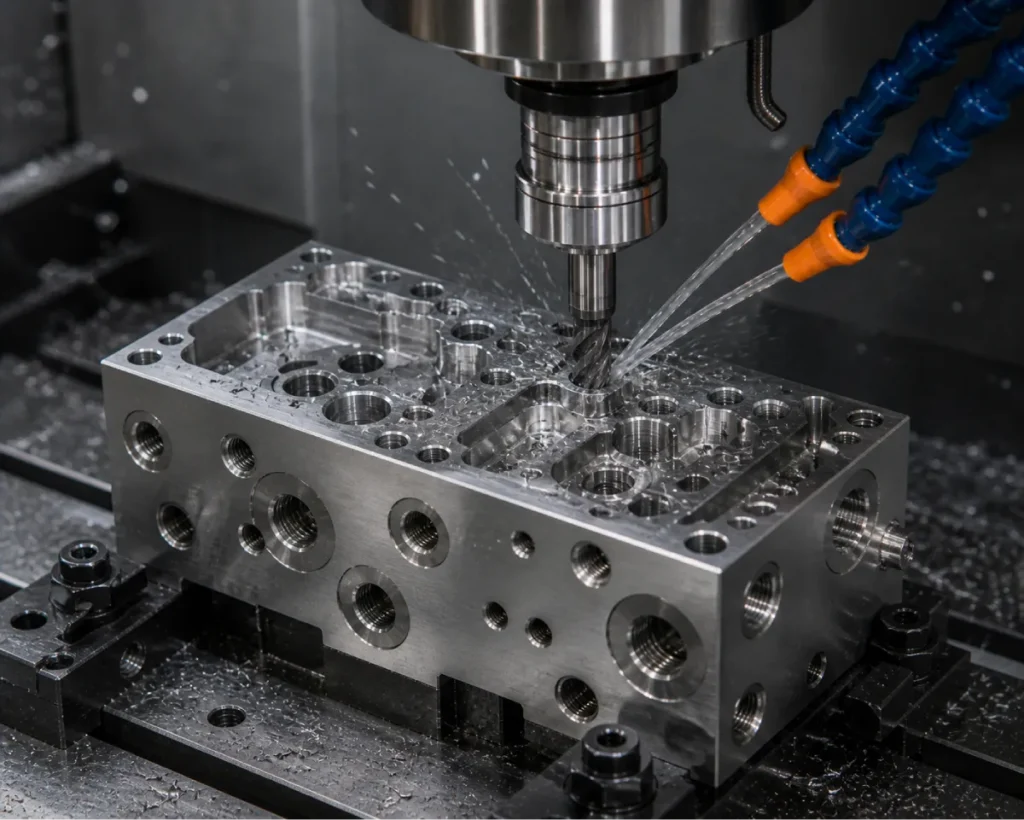
Subcon Group CNC milling services place a strong focus on exceptional accuracy and dependable manufacturing quality. This engineering-led approach produces components that meet rigorous tolerance and surface‑finish expectations, allowing seamless integration into complex systems.
Reliability Turnaround and Production Efficiency
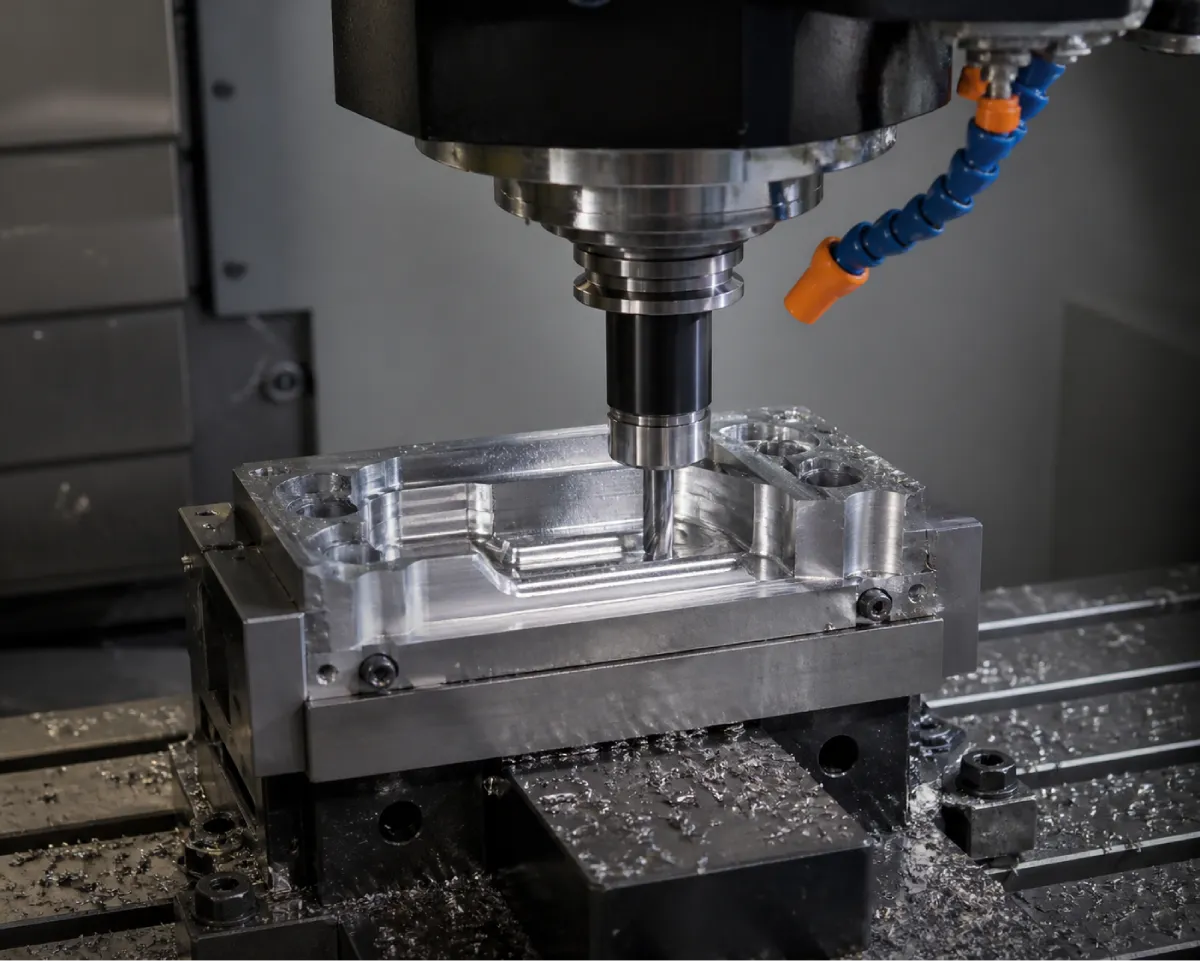
Backed by an industry‑trusted reputation in advanced precision engineering technologies, Subcon Group CNC milling service experts are able to optimise tool paths and cutting strategies. This leads to reduced material waste and cycle times, to allow customers to maintain project timelines and lower downtime. Subcon Group’s ability to integrate CNC milling with other machining processes, provides a complete manufacturing solution that delivers quality without compromise, in every single application.
Specialists in Materials Used in CNC Milling
Subcon Group’s material expertise ensures that machining strategies are optimised to achieve the correct balance between performance, durability, and cost. Subcon Group CNC milling services work with a wide range of materials to meet the demands of different industries and applications.
From Aluminium (that is widely used for lightweight structural components, heat sinks and housings, due to its machinability and corrosion resistance) to mild and alloy steels (that are typically selected for strength-critical applications such as frames, brackets, and load-bearing parts). Stainless steel (used where durability and corrosion resistance are essential, particularly in medical and industrial environments) to brass and copper (that are often used for connectors and fittings where conductivity or wear resistance is required). Engineering plastics are also machined for lightweight, low-friction applications such as guides, enclosures, and insulating components.
Precision Engineering CNC Milling: Subcon Group Applications
At Subcon Group, CNC milling capabilities are fully optimised to play a central role in precision engineering. With the expertise needed to produce components that require complex geometries, tight tolerances, and consistent repeatability, Subcon Group CNC milling services are highly-skilled industry leaders.
With 24 hour quotations available, Subcon Group CNC milling services are readily at hand to work across a wide range of industries, where reliable components performance is critical within demanding operational environments. Subcon Group’s ability to manufacture across these industries is supported by a combination of advanced CNC milling technology, multi-axis machining capability, and practical engineering expertise.
General Engineering and Industrial Machinery Industries
Subcon Group CNC milling engineers are highly experienced in creating complex components that form the foundation of mechanical systems, such as tooling fixtures, jigs, machine base plates, alignment plates and custom brackets. These precision-engineered parts ensure accurate assembly, load distribution, and long-term performance.
Logistics Automation Industry
Subcon Group CNC milling services are often used to manufacture structural and interface components that support conveyor and sortation systems. This includes conveyor side frames, bearing housings, drive assembly plates, sensor mounting brackets, guide rail supports, and transfer plates. This level of precision engineering ensures components are machined with accurate hole positioning, flatness, and alignment to ensure smooth movement across high-speed fulfilment and distribution systems. Additional parts such as diverter arms, actuator mounting blocks, and roller mounting interfaces are also expertly produced by Subcon Group CNC milling engineers to control product flow and maintain system efficiency.
Electronics and Electrical Systems Industry
Subcon Group CNC Milling services can expertly produce machined aluminium enclosures, control panel housings, heat sinks, faceplates, and PCB mounting frames that are used across the electronic and electrical systems industries. These components often incorporate internal cavities, threaded features, and precision interfaces that protect sensitive electronics while supporting thermal management. Heat sinks, for example, require consistent fin spacing and surface area to dissipate heat effectively in high-performance environments.
Automotive and Transport Engineering Industry
Subcon Group CNC milling services are paramount in the production of gearbox housings, engine mounting plates, suspension brackets, and prototype structural parts. These components require a balance of strength, weight reduction, and dimensional precision that Subcon Group CNC milling engineers are able to accomplish to meet performance requirements under load and vibration.
Fluid Power and Pneumatic Applications Industry
Subcon Group CNC milling specialists are frequently sought after to manufacture multi-port manifolds, sealing faces, hydraulic valve blocks and distribution plates. These components contain internal channels and connection points that regulate the flow of air, oil, or hydraulic fluid. Subcon Group CNC milling services provide the critical accuracy needed to create these complex manufacturing parts to maintain pressure integrity and prevent leakage within systems.
Medical and Pharmaceutical Equipment Manufacturing
Subcon Group CNC milling services excel at precision engineering components that must meet strict quality standards. With smooth surface finishes and consistent tolerances that ensure reliability and compliance, such as instrument housings, device casings, mounting interfaces and precision-machined plates,CNC milling is crucial.
Aerospace and High-Spec Engineering Industry
Subcon Group CNC milling can be used across these industries to produce precision brackets, machined panels, structural supports, and lightweight housings. These components often involve complex geometries and tight tolerances, where consistency and reliability are essential and where Subcon Group CNC milling engineers excel at delivery.
The Difference Between CNC Milling and CNC Turning
CNC milling and CNC turning are both essential precision machining processes in modern manufacturing. Deciding which application should be used, depends on the types of components that are required.
CNC milling rotates the cutting tool against a stationary workpiece to create complex components that require flat surfaces, complex geometries, or features across multiple planes. CNC turning, in contrast, rotates the workpiece against a stationary tool to produce cylindrical parts such as shafts and pins.
At Subcon Group, precision engineering-led experts have advanced technological knowledge to combine both CNC milling and CNC turning processes. For example, a component may be turned initially to achieve precise diameters and then milled to add mounting interfaces, slots, or structural features to provide full functionality within an assembly.
From prototypes to full scale production, Subcon Group has the capability and expertise to deliver fast, reliable and repeatable parts that are vital to the smooth operations of manufacturers across a wide range of industries.