
What is Precision Engineering Manual Milling?
Why Manual Milling Remains Essential for Precision Engineering
In Modern Manufacturing, Precision Engineering is fundamental to business operations across multiple industries such as aerospace, automotive, food processing, medical and logistics. Where automated CNC machining dominates high-volume production, Manual Milling
The versatile and invaluable machining technique combines traditional milling methods with modern manufacturing standards to produce extremely accurate and reliable components for real-world applications.
At UK-based Subcon Group, Precision Engineering Manual Milling
The Manual Milling Process Explained
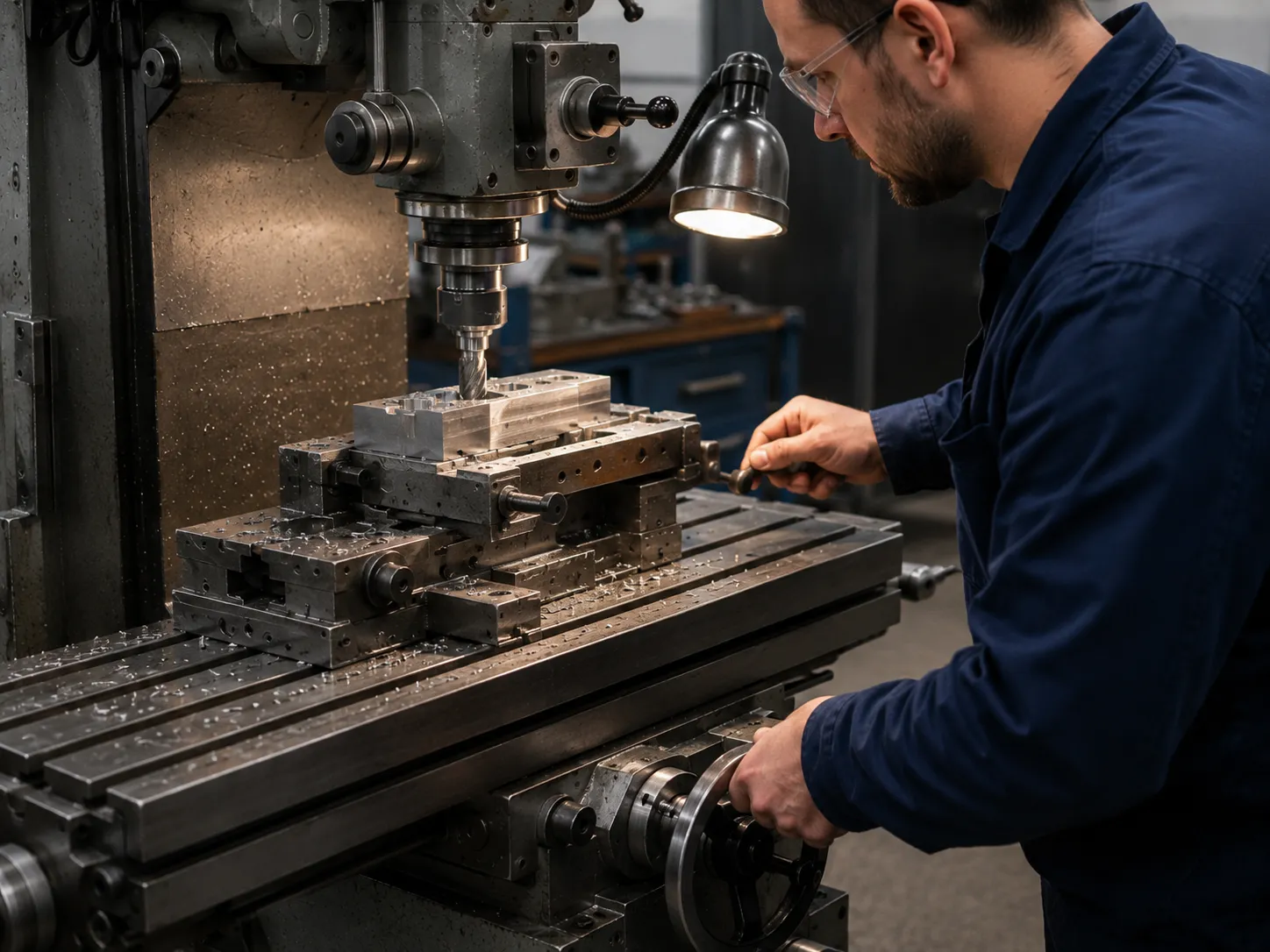
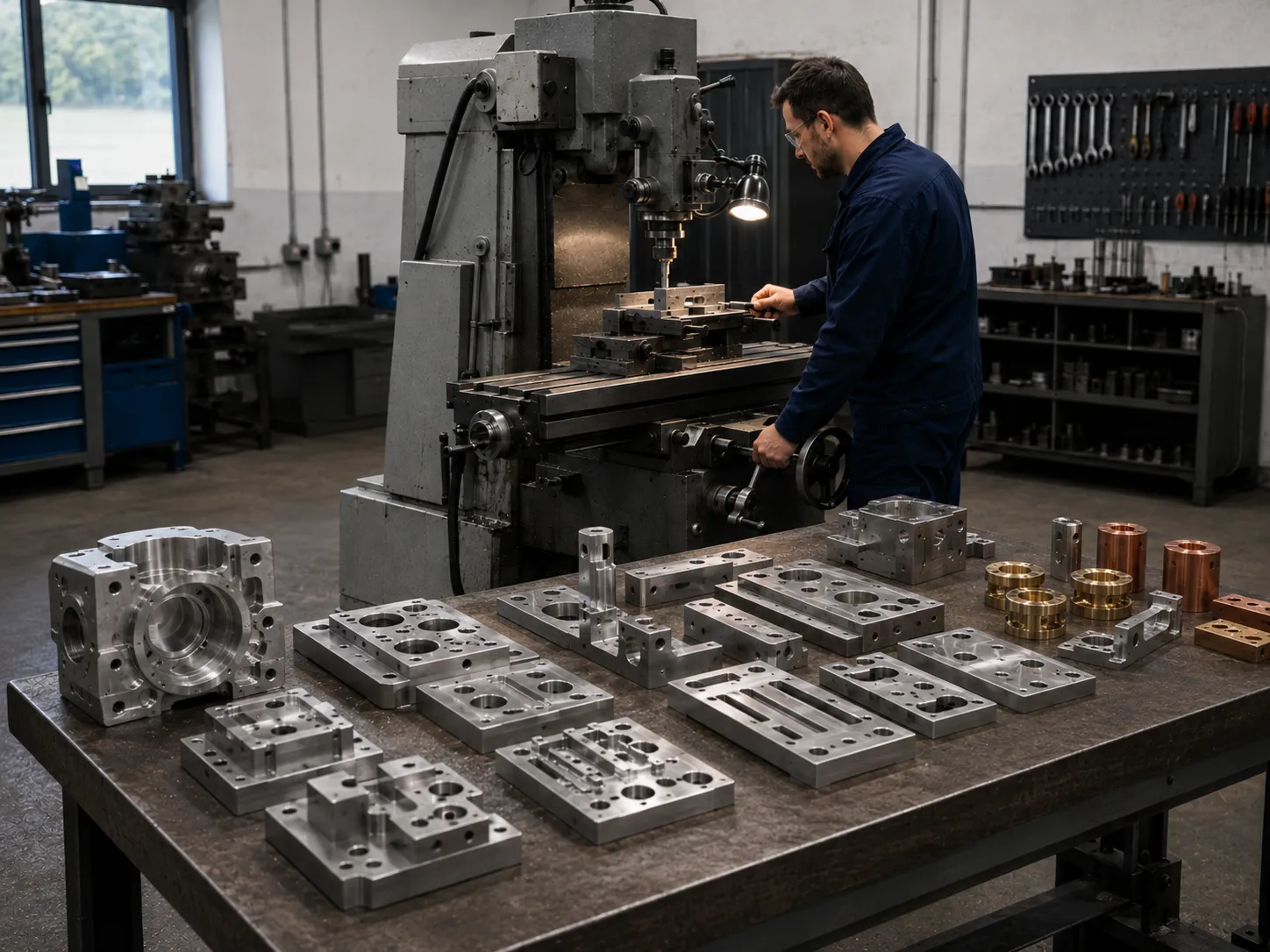
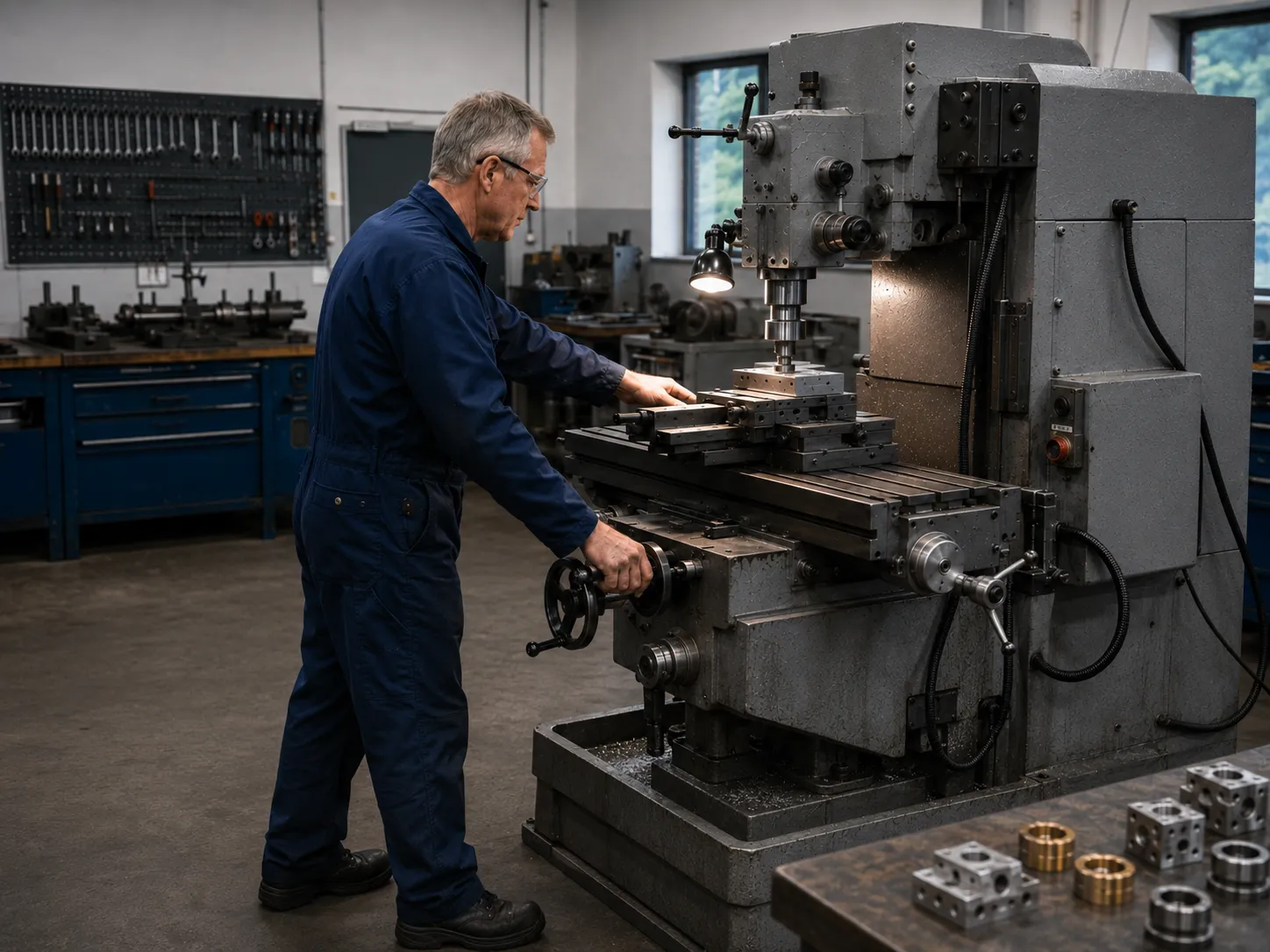
Manual Milling is a traditional subtractive machining operation that uses a rotating cutting tool to remove material from a fixed workpiece. This highly-adaptable hands-on approach allows skilled engineers to make real-time adjustments to cutting speeds, feed rates, tooling positions and machining depths throughout the whole machining process to achieve exceptional dimensional accuracy and surface finishes.
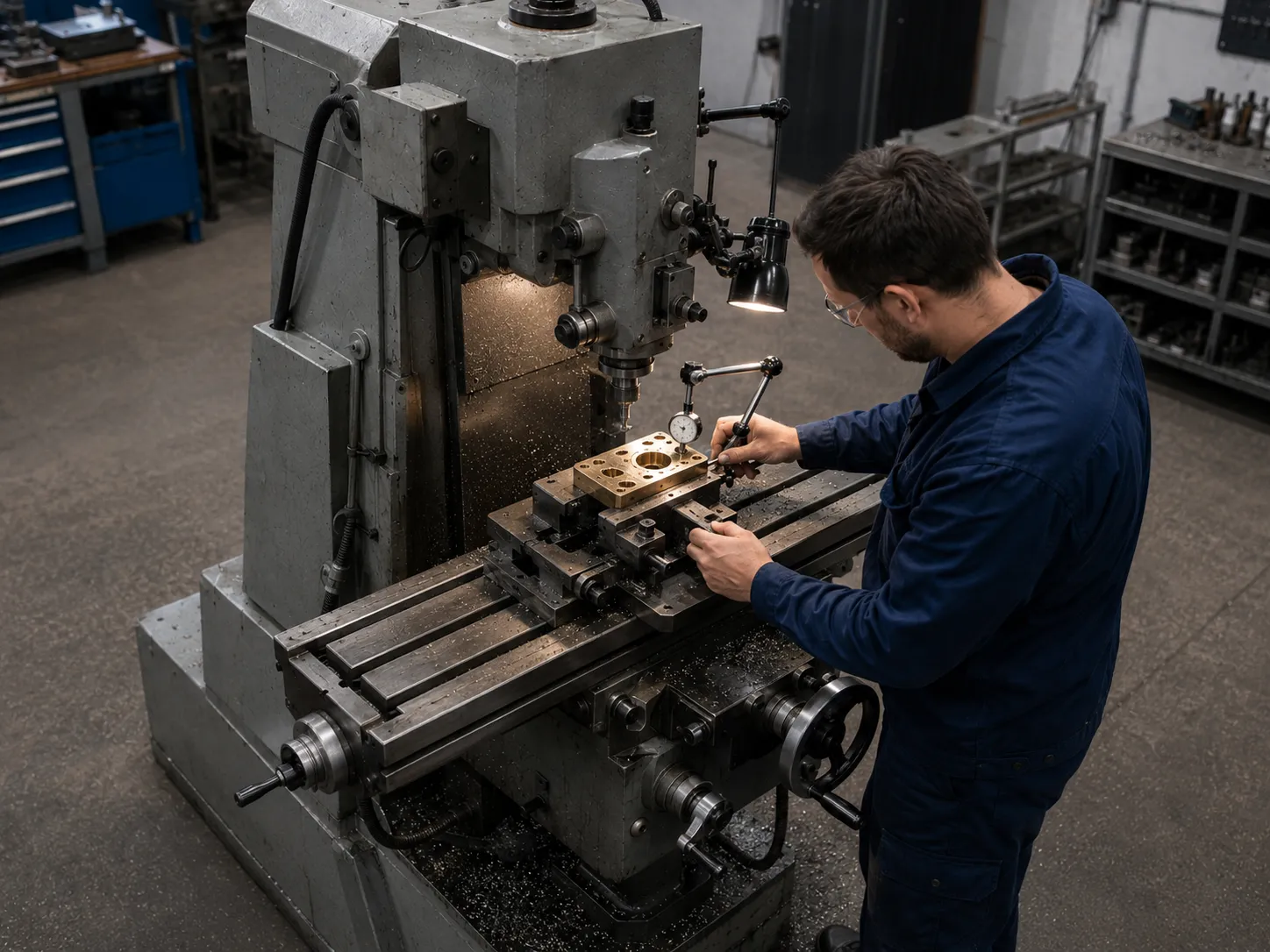
The process begins with the workpiece preparation and set up where the component is fixed securely onto the milling table using clamps, machine vices or specialist fixtures. Accuracy in aligning the workpiece is vital at this stage to create dimensional consistency and machining precision.
The next stage consists of material removal and component shaping that relies heavily on the operator’s expert knowledge and craftsmanship to control the machine table and tooling movement throughout the machining process, enabling rapid adjustments when needed. The milling cutter rotates with precision to gradually remove material from the workpiece to create the desired profile, dimensions and features.
The final phase of manual milling is the finishing and quality inspection. The skilled machinists are equipped to make immediate refinements during the inspection to satisfy tolerance requirements, dimensional accuracy and surface finish standards, ensuring the final component achieves the exacting engineering specifications.
Supporting Modern Manufacturing
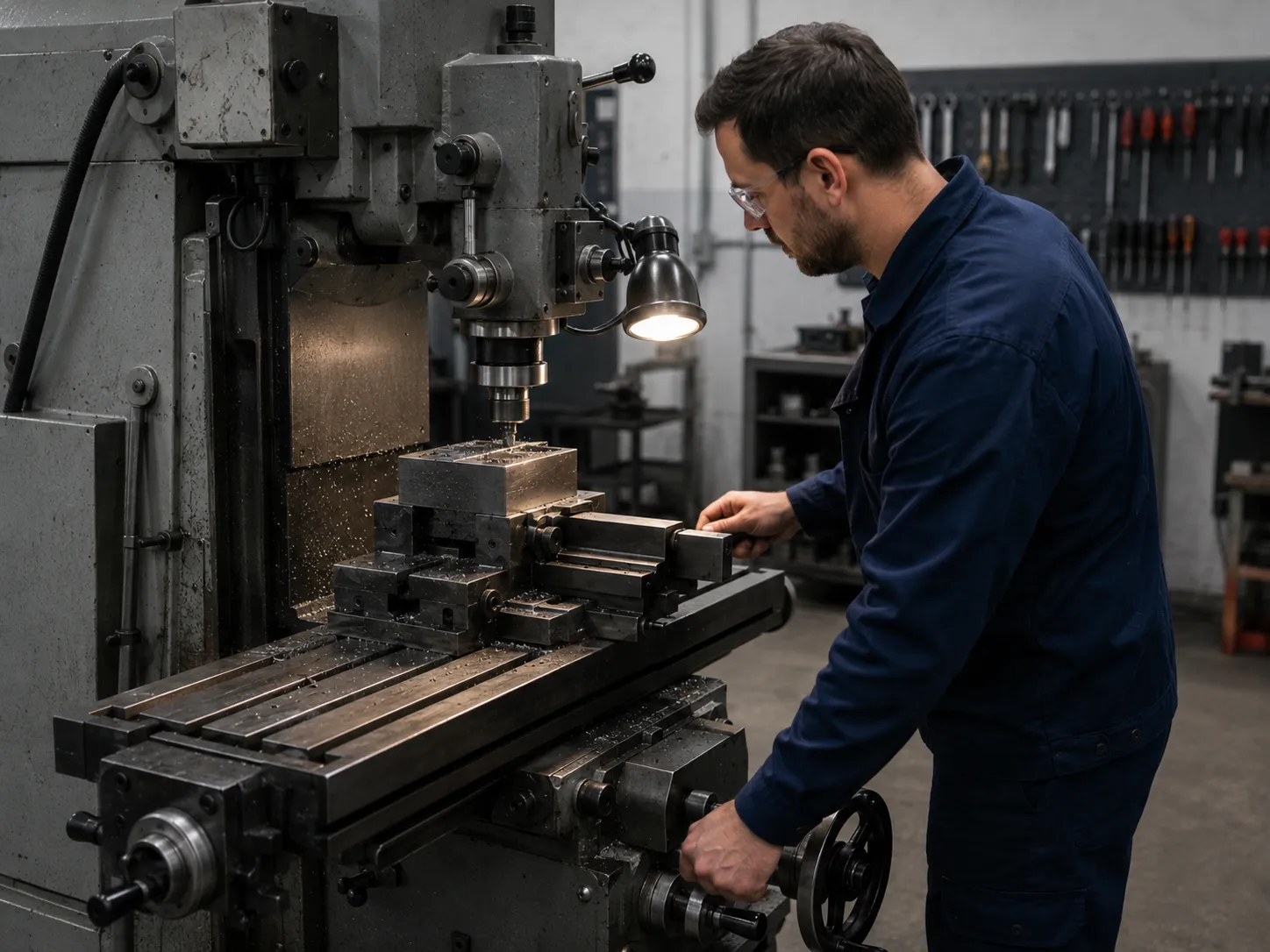
Whilst CNC machining is central to modern manufacturing, especially for high-volume production, Subcon Group recognises that the more traditional manual milling
Subcon Group manual milling service excels in delivering the flexibility and responsiveness needed in today’s manufacturing industries to meet the required specialist modifications, bespoke machining solutions and rapid adjustments.
Key Advantages of Manual Milling
Quick Set-up Times
Unlike CNC machining that follows software instructions, manual milling does not need extensive programming or digital setup processes, allowing projects to be rapidly moved into production. This is especially advantageous for urgent or specialist components that require quick lead times.
Exceptional Flexibility
Engineering specialists select the most optimal cutting tool for the material type, geometry and required finish, whilst also manually adjusting the spindle speed, feed rate and cutting depth to suit the machining conditions.
Cost-effective for Small Batches
Subcon Group manual milling service offers exceptional value for money for low-volume projects and prototype work because of the reduced set-up and programming required, compared to CNC machining.
This level of precision and versatility makes Subcon Group manual milling service ideal for producing flat surfaces, slots, grooves, keyways, pockets, complex shapes and precision features. Particularly valuable in the production of one-off parts, prototype development or specialist competent modifications.
Precision Engineering Material Expertise
Subcon Group has the capability to manually mill a full range of engineering materials, by optimising the machines cutting performance, through extensive technical knowledge and responsive hands-on adjustments.
Mild Steels & Alloy Steels
From mild steels and alloys steels, typically used for structural and industrial parts such as machine bases, tooling plates, brackets and support components, to stainless steel that is commonly machined for industries demanding corrosion resistance and hygienic components, such as pharmaceuticals, food manufacturing and medical engineering.
Aluminum
Aluminum is a prime material often manually milled by Subcon Group because of its lightweight properties and high strength-to-weight ratio. These properties are highly pliable to create components such as enclosures, spacers, machined guards and prototype parts.
Brass & Copper
Subcon Group also manually mill brass and copper materials that are vital for applications requiring conductivity, corrosion resistance and precision, such as electrical, pneumatic and fluid-handling parts.
Engineering Plastics
Engineering Plastics such as nylon acetal and PTFE are expertly milled by Subcon Group for low-friction operations such as wear strips, rollers and guides due to the.strength, durability and wear resistance this manual process delivers.
From Prototype to Production
Subcon Group integrated engineering-led approach provides a full end-to-end service from prototype development to full-scale CNC production. This operational capability allows projects to transition smoothly from initial concepts to final completion, with exceptional levels of component consistency, durability and quality.
Partnering with Subcon Group Precision Engineering Manual Milling for Industrial Applications
Subcon Group manual milling service supports UK manufacturing across a range of industries, offering versatility, precision and reliability.
Prototype Development & Product Testing
Subcon Group engineers make rapid and cost-effective dimension modifications throughout the process without the need for complex CNC programming. This results in significantly reduced lead times, easier testing and refinement of components before full-scale production runs.
Automotive & Motorsport Engineering
Benefit from manual milling for the production of very specialised parts such as bespoke brackets, mounting plates, spacers and engine components where flexibility and rapid turnaround are critical.
Aerospace Engineering
Where components require extremely tight tolerances, Subcon Group manually milled workpieces deliver time after time — from repair specialist parts to machine custom fixtures.
Food Processing & Packaging
Subcon Group engineers mill varied materials including stainless steel used for guides, conveyor parts and tooling modifications that are vital in food-grade manufacturing environments.
Industrial Machinery & Automation
Holds significant advantages for applications that rely heavily on manual milling properties for repair work, maintenance support and quick turnaround times for replacement machine components that minimise operational downtime.
Manual Milling vs CNC Milling
Choosing the most optimal machining process for a project depends on understanding the difference between manual milling and CNC milling.
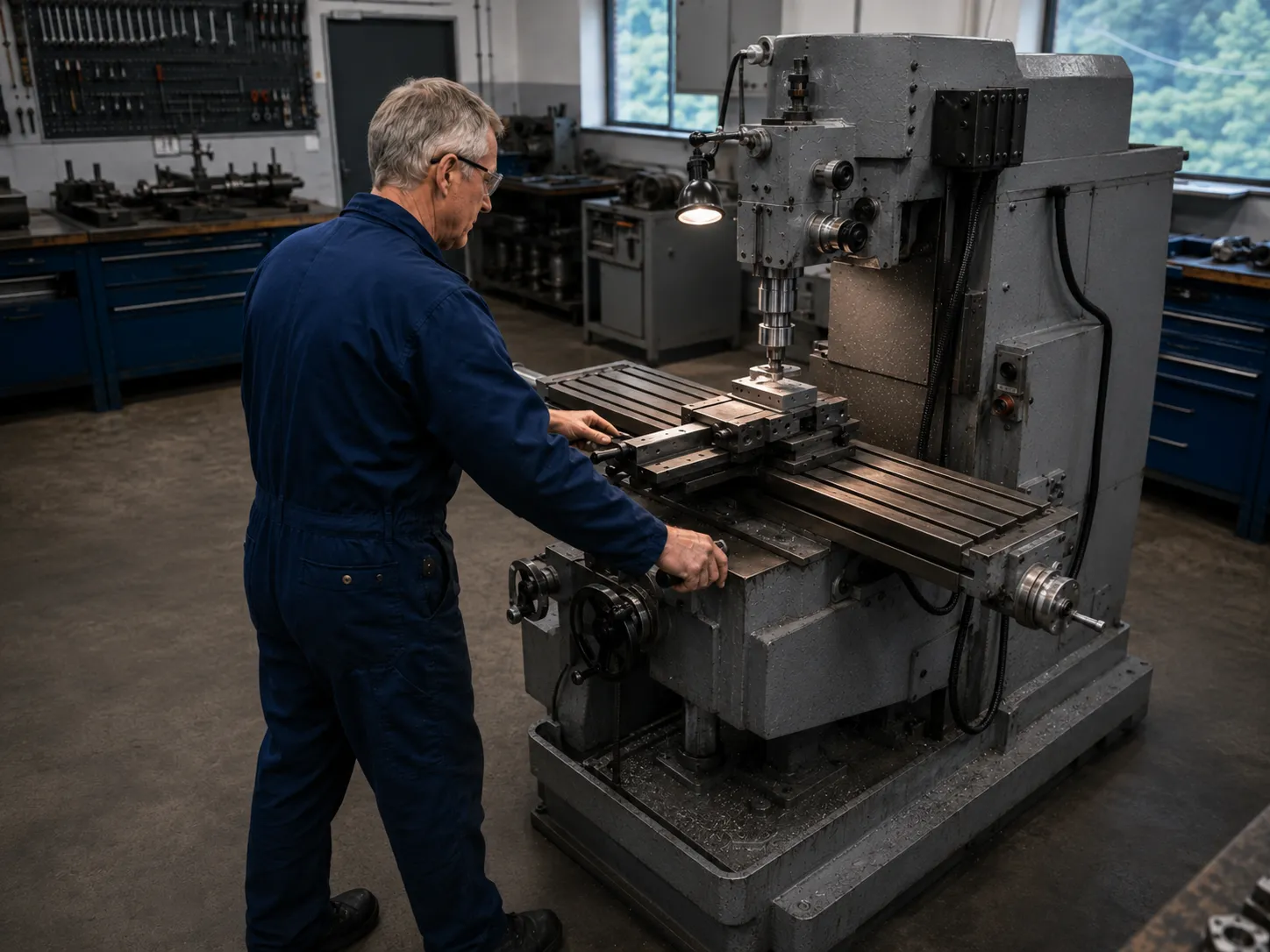
Manual Milling operates under the direct craftsmanship and control of experienced engineers which provides unmatched flexibility. With real-time adjustments, fast lead times for custom projects and being budget-friendly for low-volume jobs, it is ideal for bespoke engineering parts, one-offs and prototypes, as well as for repairs and part modifications.
CNC Milling is controlled by programmed automation that delivers consistently reliable and repeatable component parts. Although there are longer set up times for software programming, it is efficient for high-volume batch productions.
Subcon Group end-to-end capability offers both manual and CNC milling services in-house. From initial design to full scale production, Subcon Group provides a complete precision engineering solution for UK modern manufacturing.