
Manual Turning Services
Manual Turning Services in Precision Engineering
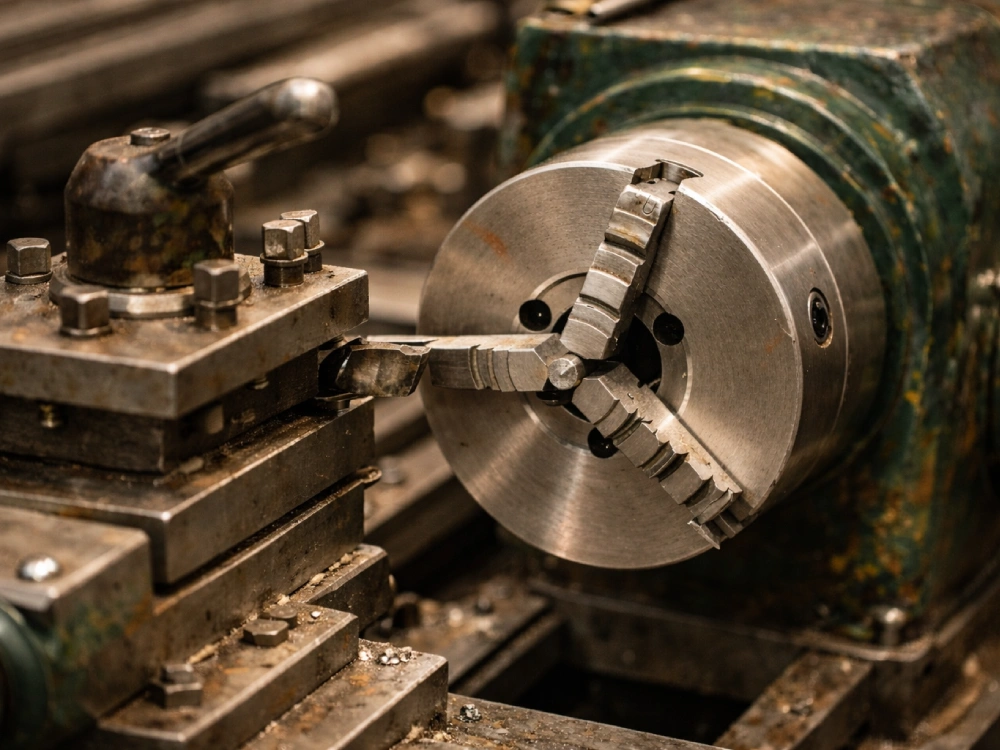
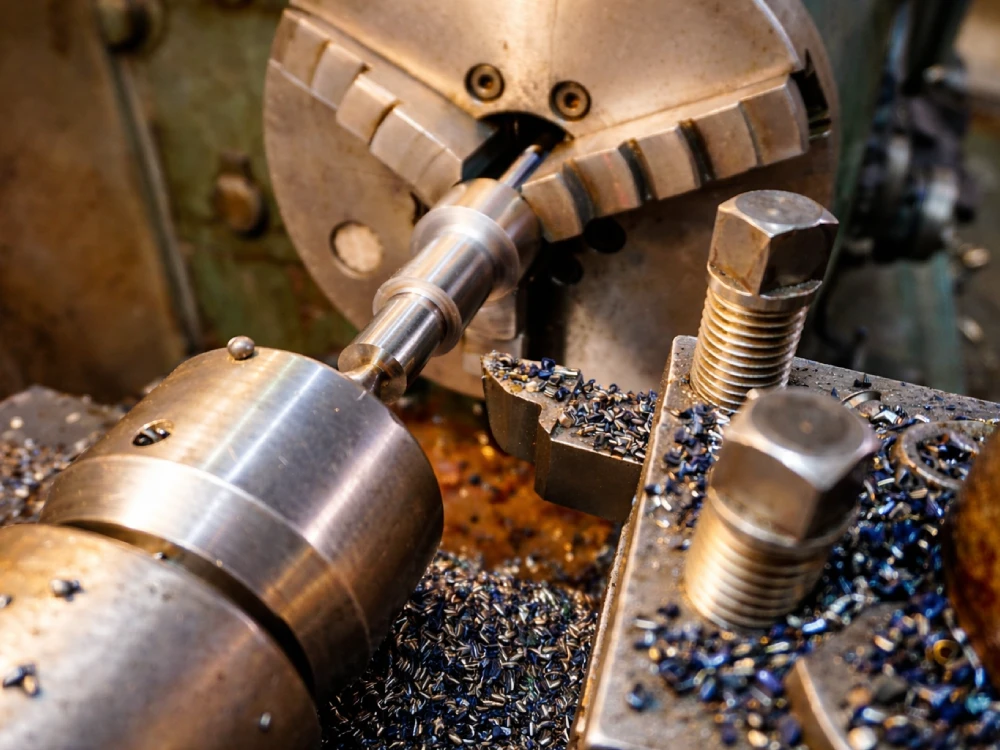
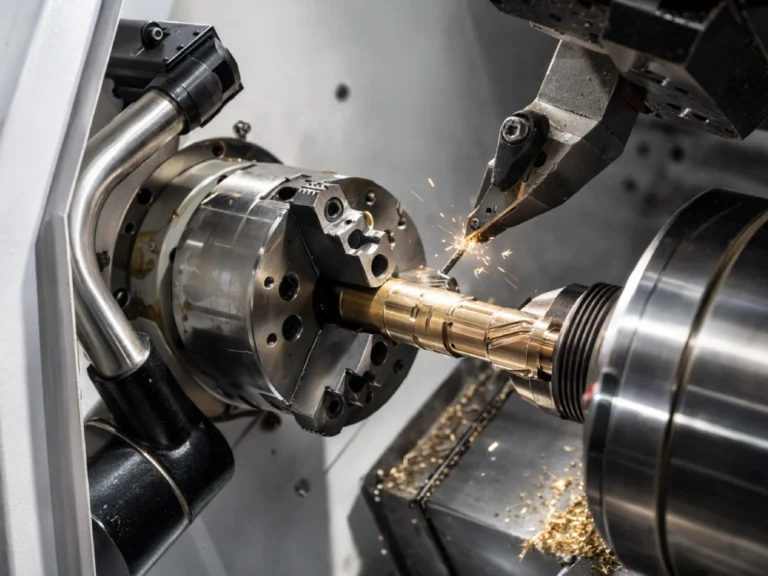
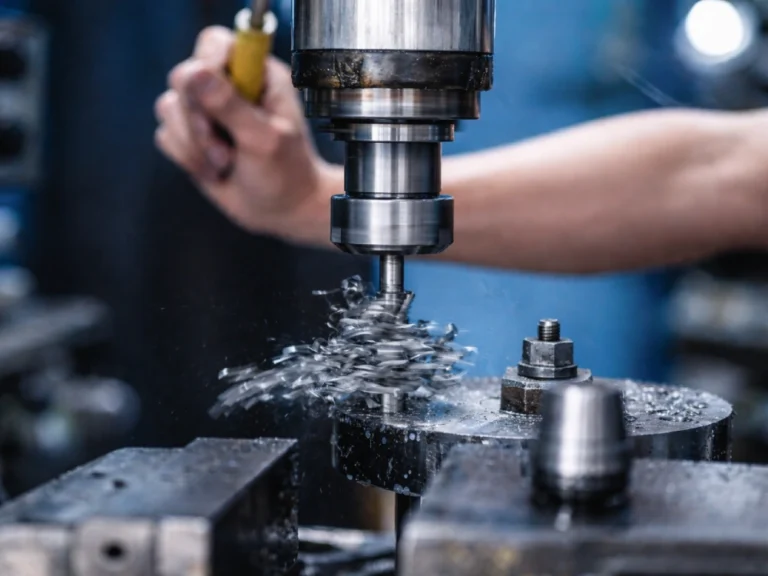
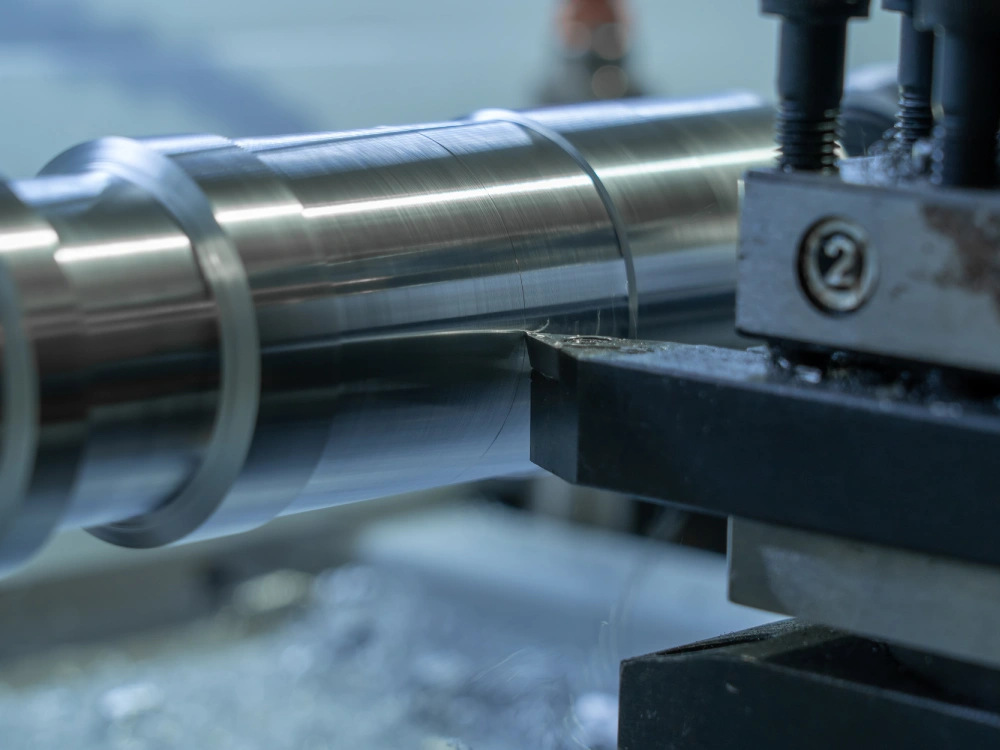
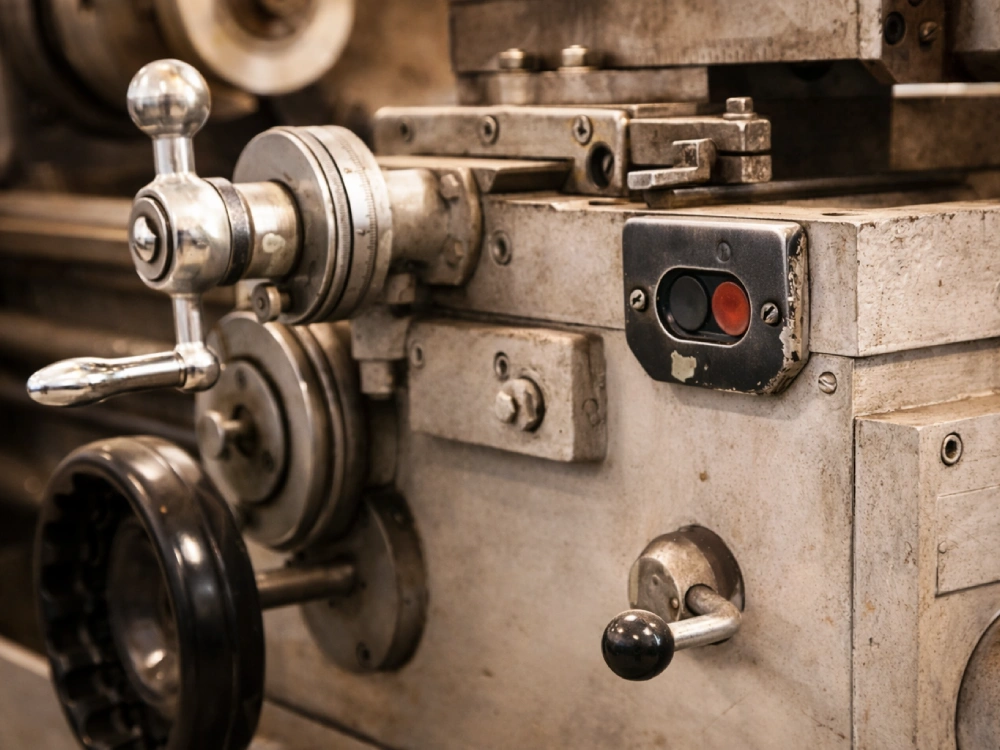
Manual turning services remain an essential part of precision engineering, providing flexibility, craftsmanship, and problem-solving capability that complements automated CNC machining. Using conventional lathes operated by skilled machinists, manual turning shapes rotating material with controlled cutting tools. While CNC turning dominates high-volume production, manual turning plays a vital role where low volumes, bespoke requirements, or rapid adjustments are needed.
Subcon’s manual turning services are delivered by experienced engineers with deep understanding of materials, cutting dynamics, and dimensional control. This hands-on expertise allows components to be produced efficiently where CNC programming may not be practical or cost-effective.
Flexibility and Responsiveness
Advantages of Using Subcon for CNC Turning Services

Flexible Machining for One-Off Components and Small Batch Production

Skilled Operator Control Ensures Precision and Dimensional Accuracy

Cost Effective Solution for Low Volume and Simple Machined Parts

Rapid Adjustments Possible Without Time Consuming CNC Programming

Ideal for Repairs, Modifications, and Bespoke Engineering Requirements

Direct Machinist Feedback Improves Surface Finish and Process Control
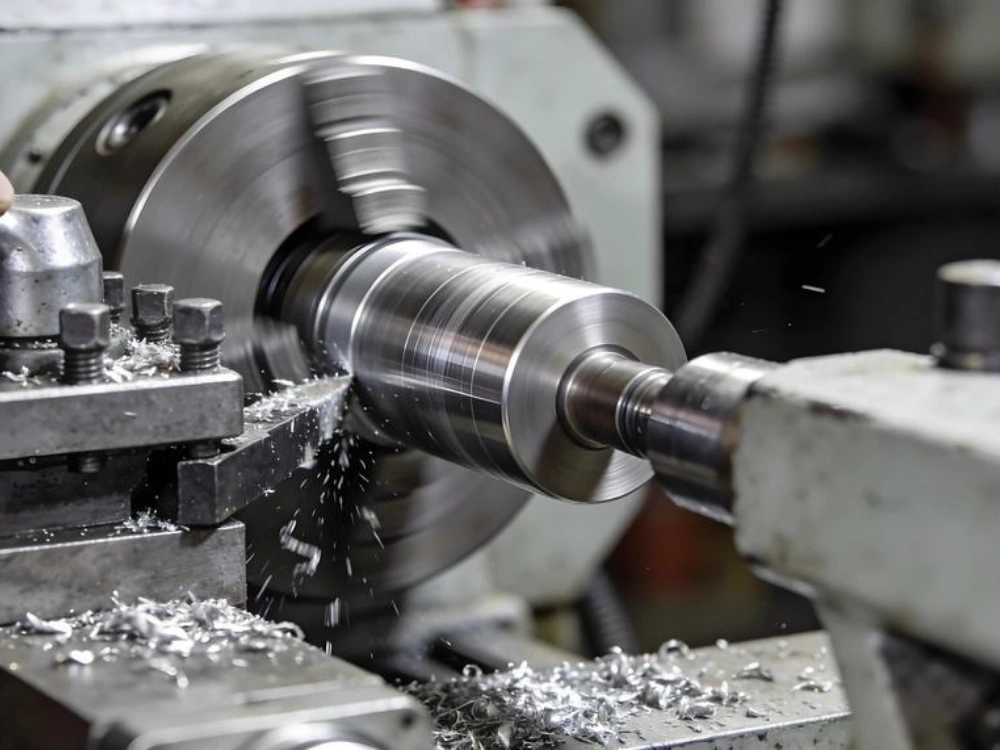
Accuracy Through Skilled Machining
Suitable Component Types
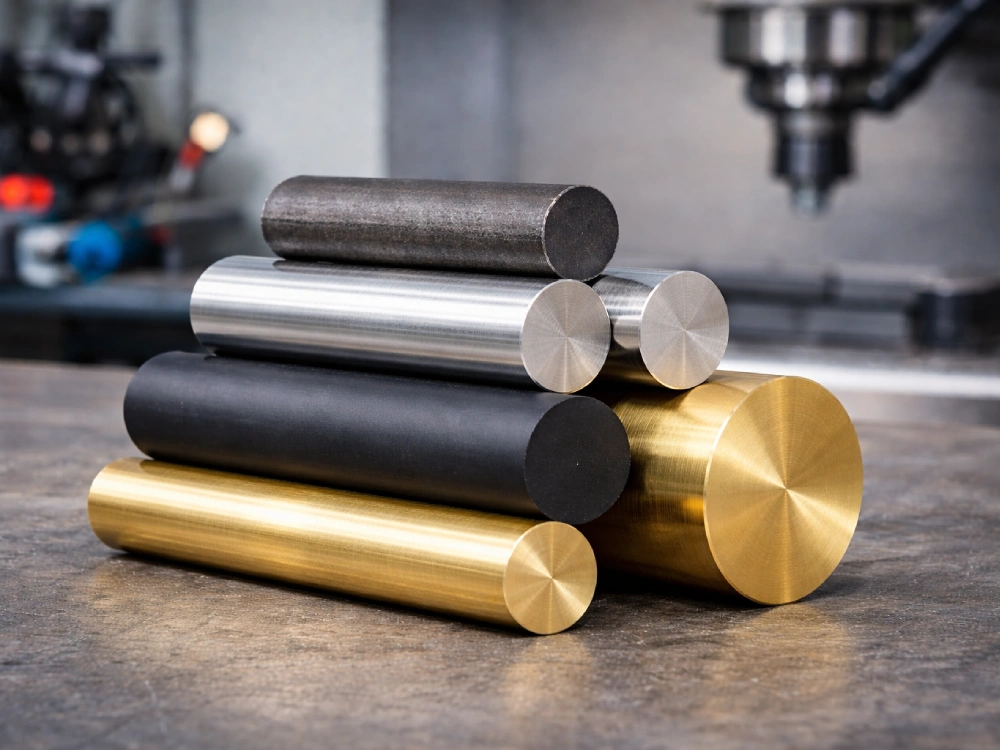
Material Versatility
Prototyping and Development Support
Repair, Modification, and Reverse Engineering
Frequently Asked Questions
Surface finish quality is achieved through skilled tool selection and real-time adjustment of cutting techniques. Manual turning provides direct feedback during machining, allowing machinists to refine parameters as needed to meet both functional and aesthetic surface finish requirements.
Yes. Manual turning is highly cost-effective for low-volume or simple components where CNC programming time may not be justified. By eliminating programming overheads, parts can be produced quickly and economically, making manual turning ideal for small quantities and urgent requirements.
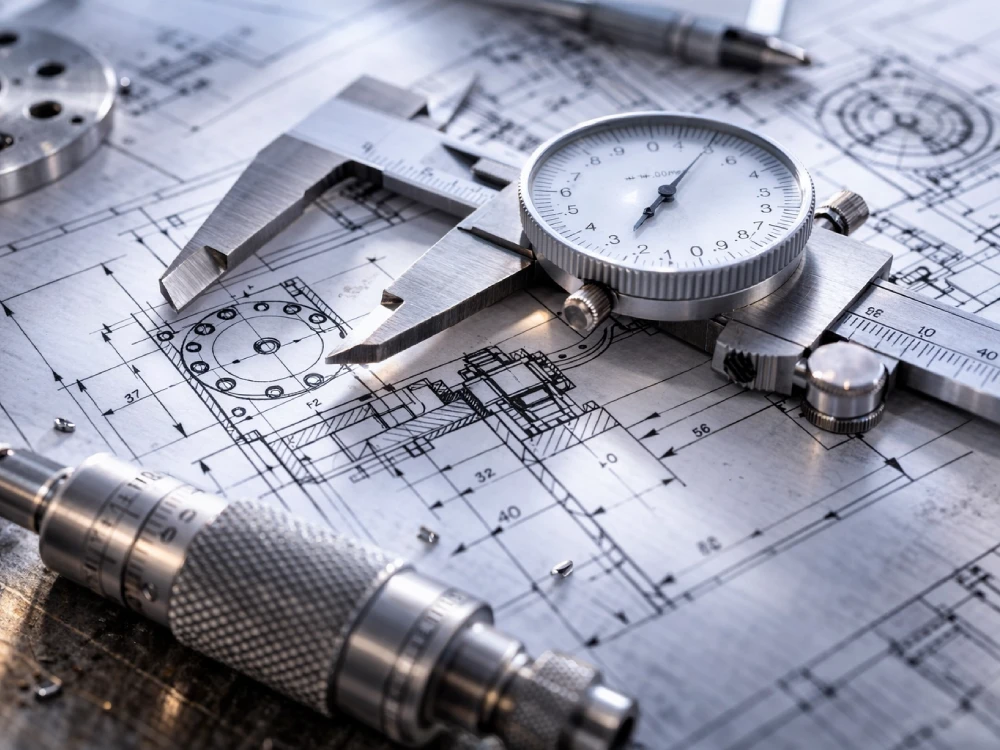
Quality control is central to manual turning. Precision measurement and inspection ensure components meet specification despite the hands-on nature of the process. The same quality standards applied to CNC machining are used to deliver consistent and reliable results.
Manual turning works alongside CNC machining to provide a flexible manufacturing solution. Components may be manually turned during prototyping before transitioning to CNC production, or manual turning may be used for secondary operations and modifications, creating a fully integrated machining capability.