
SUBCON

Materials We Machine

Engineering Materials Matched to Precision Manufacturing Processes

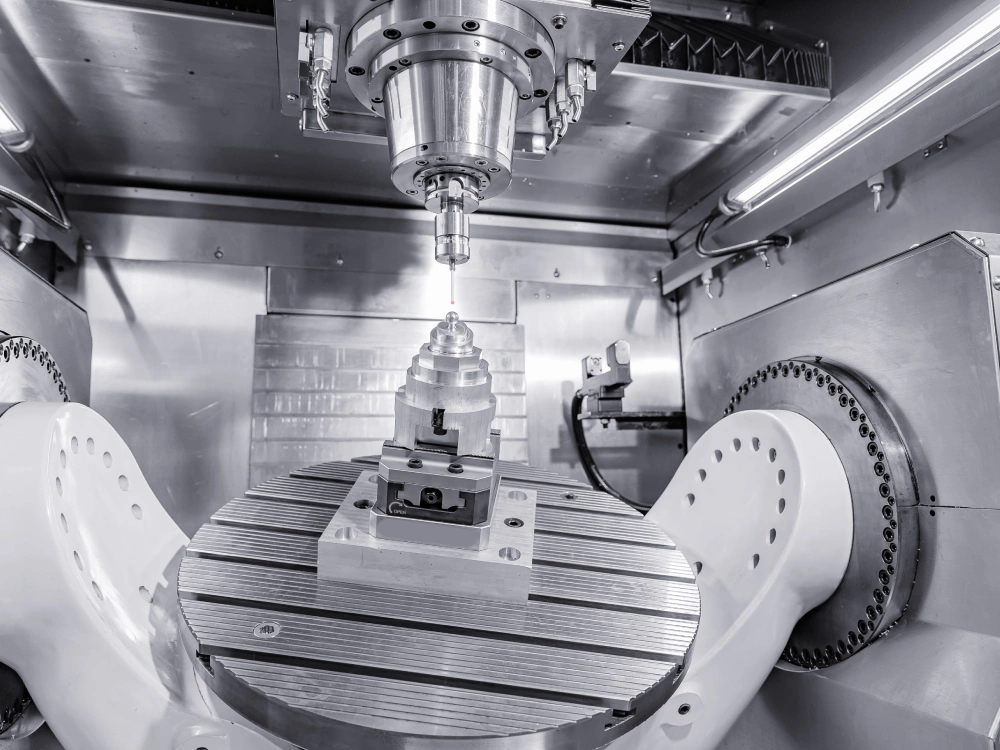
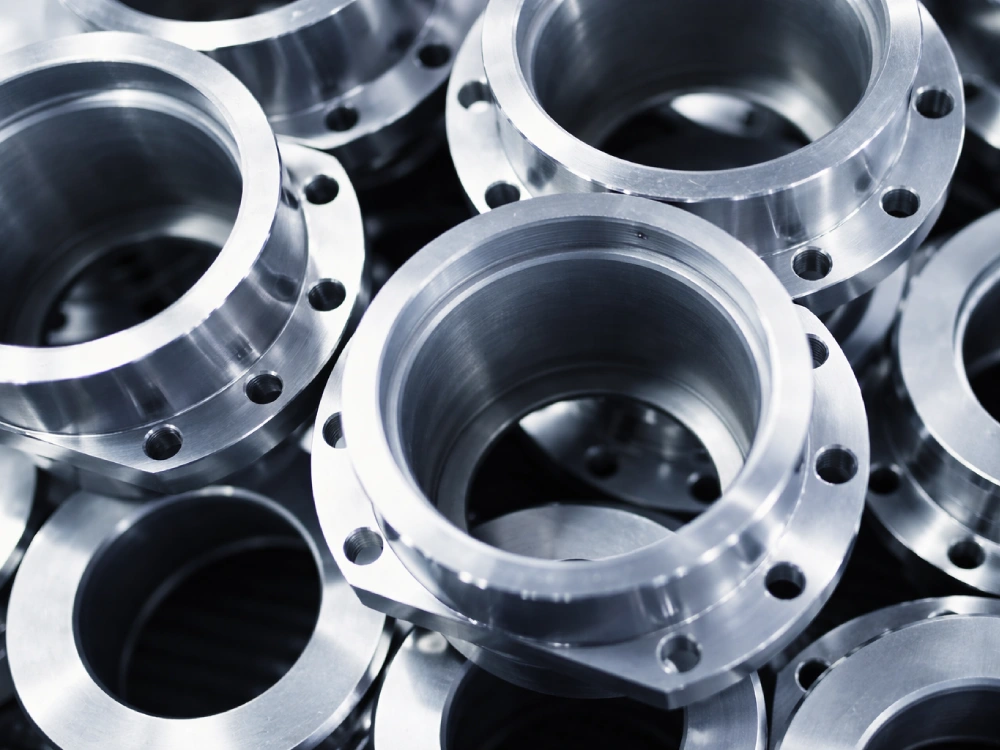
Subcon Group machines a wide range of engineering materials to support diverse industrial applications, from high-volume production components to complex, low-volume precision parts. As a UK-based manufacturer, Subcon Group combines CNC machining, CNC milling, CNC routing, manual turning, manual milling and broaching with an extensive range of heat treatment and surface engineering processes, allowing material selection, machining method and post-processing to be aligned from the outset. This integrated approach ensures each material is processed in a way that maximises performance, dimensional stability and service life.

Mild Steel

Mild steel is one of the most widely used engineering materials due to its versatility, machinability and cost-effectiveness. Subcon Group machines mild steel components using both CNC and manual processes, producing parts such as shafts, brackets, housings and structural components. Its excellent machinability allows efficient production while maintaining tight tolerances.

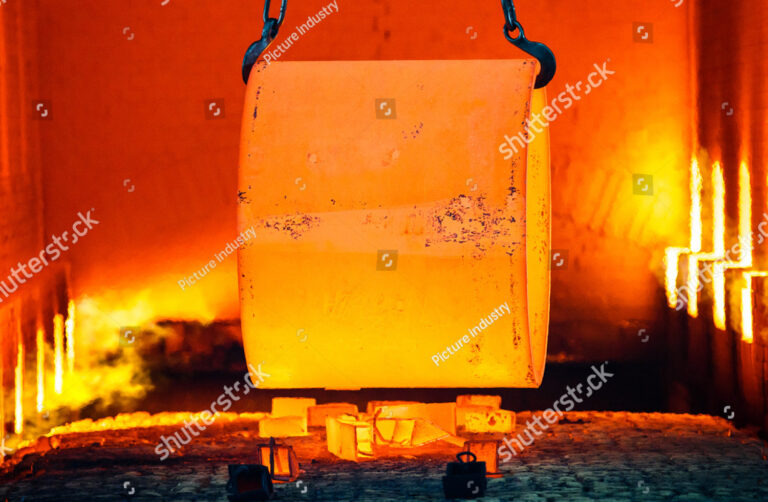
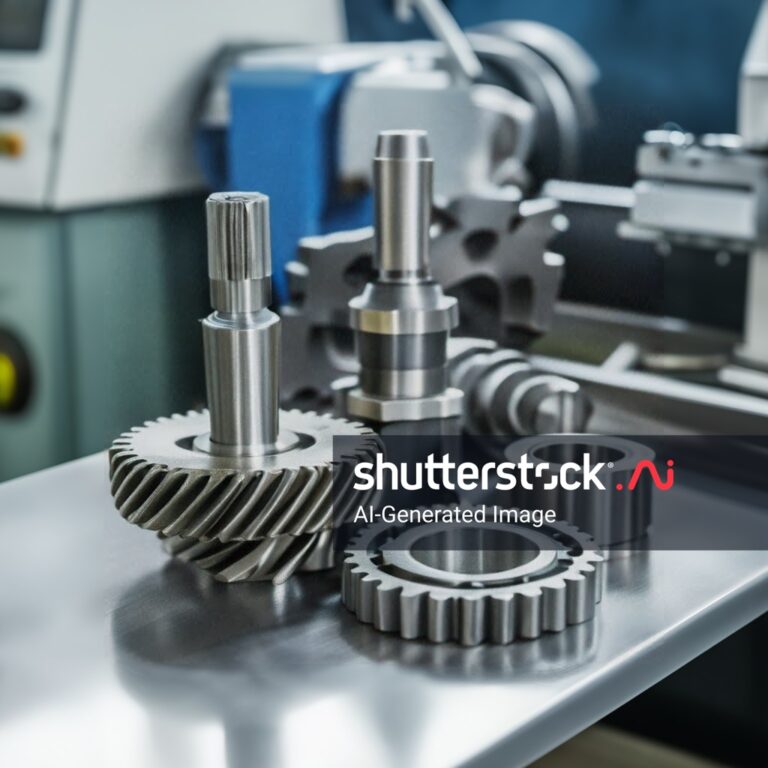
Mild steel responds particularly well to heat treatment processes including Case Hardening, Carbonitriding, Salt Bath Hardening, Normalising, Annealing and Stress Relieving. Case hardening and carbonitriding enhance surface wear resistance while maintaining a tough core, making mild steel suitable for gears, pins and wear components. Normalising and stress relieving improve structural consistency and dimensional stability following machining or fabrication, supporting predictable downstream processing and reliable in-service performance.

Aluminium

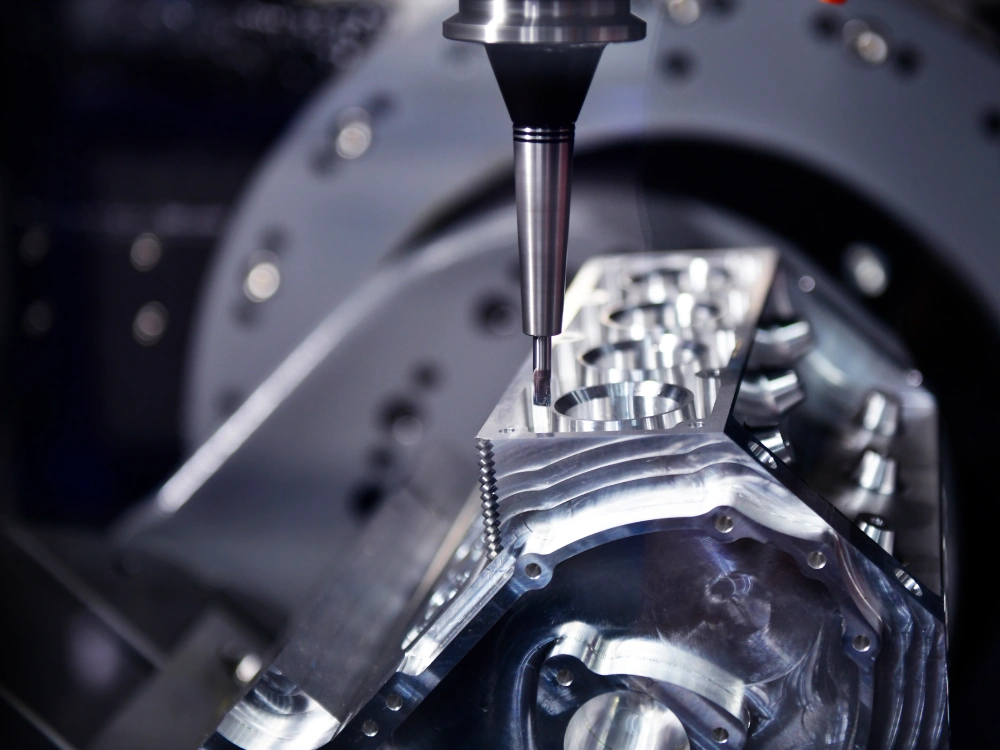
Aluminium is valued for its low weight, corrosion resistance and excellent machinability, making it ideal for components where strength-to-weight ratio and precision are key considerations. Subcon Group machines aluminium using CNC machining, CNC milling and CNC routing, producing components such as housings, enclosures, brackets, frames and complex machined profiles.

Subcon Group supports aluminium components with Precipitation & Age Hardening to significantly improve strength without compromising dimensional accuracy. Annealing is also applied where improved formability or stress reduction is required prior to further machining. This combination of precision machining and controlled heat treatment allows aluminium components to meet demanding performance requirements in aerospace, electronics and R&D applications.

Brass

Brass offers excellent machinability, good corrosion resistance and favourable electrical and thermal properties. Subcon Group machines brass using CNC and manual methods to produce components such as fittings, connectors, bushings, fasteners and decorative or functional parts requiring fine detail.

Brass typically does not require hardening heat treatments; however, Stress Relieving and Annealing can be applied to improve dimensional stability and reduce residual stresses introduced during machining. Subcon Group’s controlled manufacturing approach ensures brass components retain their surface finish and dimensional accuracy, making them suitable for applications in electronics, instrumentation and specialist engineering assemblies.

Bronze

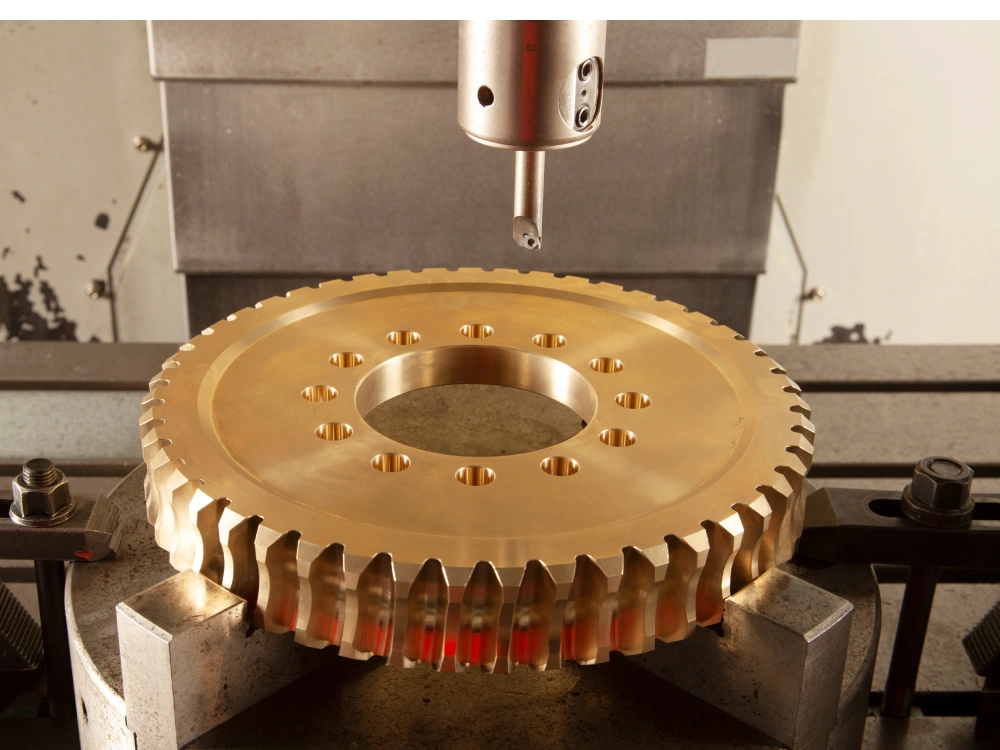
Bronze is commonly selected for applications requiring good wear resistance, low friction and corrosion resistance. Subcon Group machines bronze components using CNC machining, CNC milling, manual turning and broaching, producing parts such as bearings, bushings, thrust washers and wear plates.

While bronze is not typically hardened through conventional heat treatment, Subcon Group applies Stress Relieving where required to improve stability and performance in service. Precision machining combined with material expertise ensures bronze components perform reliably in applications involving sliding contact, load-bearing interfaces and continuous duty cycles.

Copper

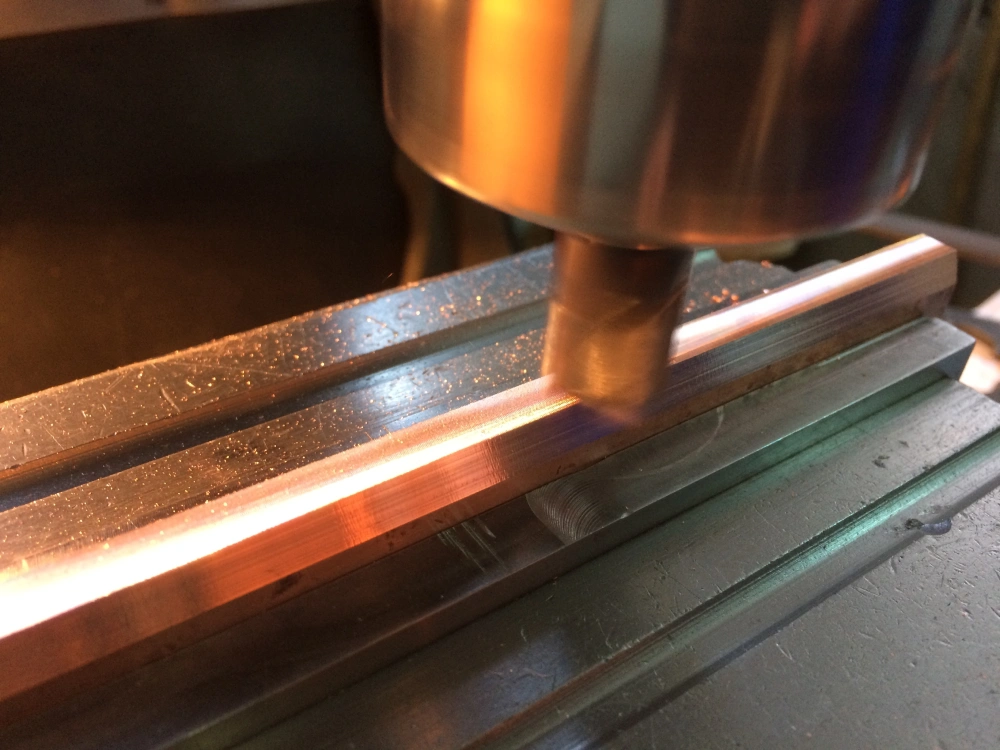
Copper is widely used for its exceptional electrical and thermal conductivity. Subcon Group machines copper components using CNC machining, CNC milling and manual turning, producing parts such as electrical contacts, heat sinks, busbars and conductive components.

Copper can become work-hardened during machining, so Annealing is often applied to restore ductility, improve machinability and stabilise the material structure. Subcon Group’s ability to integrate annealing with precision machining ensures copper components maintain both functional performance and dimensional accuracy, supporting applications in electronics, power systems and specialist engineering.

Plastic

Engineering plastics offer lightweight, corrosion-resistant solutions for a wide range of applications. Subcon Group machines plastics using CNC machining, CNC routing and manual milling, producing components such as insulators, guides, housings, wear strips and bespoke machined parts.

Plastics do not require traditional heat treatment; however, Subcon Group applies controlled machining strategies to minimise internal stresses, thermal distortion and surface damage. Material selection and machining approach are carefully matched to application requirements, ensuring consistent performance and dimensional accuracy in food processing, pharmaceutical, electronics and R&D environments.

Stainless Steel

Stainless steel is selected for its corrosion resistance, strength and durability in demanding environments. Subcon Group machines stainless steel using CNC machining, CNC milling, manual turning and broaching, producing components such as shafts, fittings, housings, brackets and precision mechanical parts.

Subcon Group supports stainless steel components with heat treatment processes including Stress Relieving, Annealing and Tuffride Q & QPQ. Stress relieving improves dimensional stability after machining, annealing enhances workability where required, and Tuffride Q & QPQ improve surface hardness, fatigue strength and corrosion resistance. This combination allows stainless steel components to perform reliably in food processing, pharmaceutical, marine and industrial applications.

Titanium

Titanium is used where exceptional strength-to-weight ratio, corrosion resistance and high performance are required. Subcon Group machines titanium using CNC machining and CNC milling, applying controlled cutting strategies to maintain accuracy and surface integrity. Typical components include aerospace fittings, medical-related parts, high-performance fasteners and specialist engineered components.

Subcon Group applies Stress Relieving and controlled thermal processing to titanium components to reduce residual stresses and support dimensional stability. Precision machining combined with careful material handling ensures titanium components meet exacting performance and quality requirements in aerospace, defence and advanced engineering applications.

Material Expertise Within UK Manufacturing

By machining a broad range of materials and supporting them with appropriate heat treatment and surface engineering processes, Subcon Group provides a comprehensive UK manufacturing capability. Material selection, machining method and post-processing are aligned to deliver components that meet functional, dimensional and performance requirements.

For organisations seeking a UK manufacturing partner capable of machining and processing materials with precision and consistency, Subcon Group offers the technical expertise and integrated capability to support projects from prototype through to production.

Frequently Asked Questions

How do scalable CNC turning solutions support both prototyping and production?

Scalable CNC turning allows initial prototypes to be produced for design and functional validation, and once approved, production volumes can be increased seamlessly without any change in process or quality, ensuring continuity from development through to full production.

How does integrated secondary machining support complete component manufacturing?

CNC turning can be seamlessly combined with secondary machining operations such as milling, drilling, broaching, and finishing. Subcon’s integrated machining capability enables all required processes to be carried out in-house, reducing external handling, simplifying the supply chain, and ensuring consistent quality for complete component manufacturing.

How does design support improve CNC turning manufacturability?

Effective CNC turning depends on design factors such as wall thickness, tolerances, and internal geometries. Subcon provides engineering support to review and refine designs for manufacturability, helping to optimise machining efficiency, control costs, and reduce potential production issues without compromising component functionality.

How does Subcon Group ensure reliable, long-term CNC turning supply?

Subcon’s CNC turning services are built around consistent machine performance, controlled manufacturing processes, and experienced operators. This structured approach ensures dependable quality, predictable delivery, and long-term manufacturing stability for customers with ongoing supply requirements.

How are Subcon Group CNC turning services future-proofed?
Subcon continually invests in advanced CNC turning technology, tooling, and skilled expertise to keep pace with evolving product designs. Ongoing improvements in machine capability and software ensure high levels of accuracy, efficiency, and flexibility, keeping services aligned with modern engineering requirements.
Why choose Subcon Group for CNC turning services?
Subcon offers comprehensive CNC turning services supported by robust quality systems, engineering expertise, and modern equipment. This ensures reliable, accurate, and efficient manufacture of precision rotational components, making CNC turning a core service that delivers consistency and performance across a wide range of engineered products.
Lorem Ipsum Simply Dummy

Additional Services

Get in touch

Start Your Project with Us

For quotes or technical support, contact our team. We respond quickly and provide clear guidance for your requirements.