

Normalising Services
Refining Steel Structure for Consistent Mechanical Performance
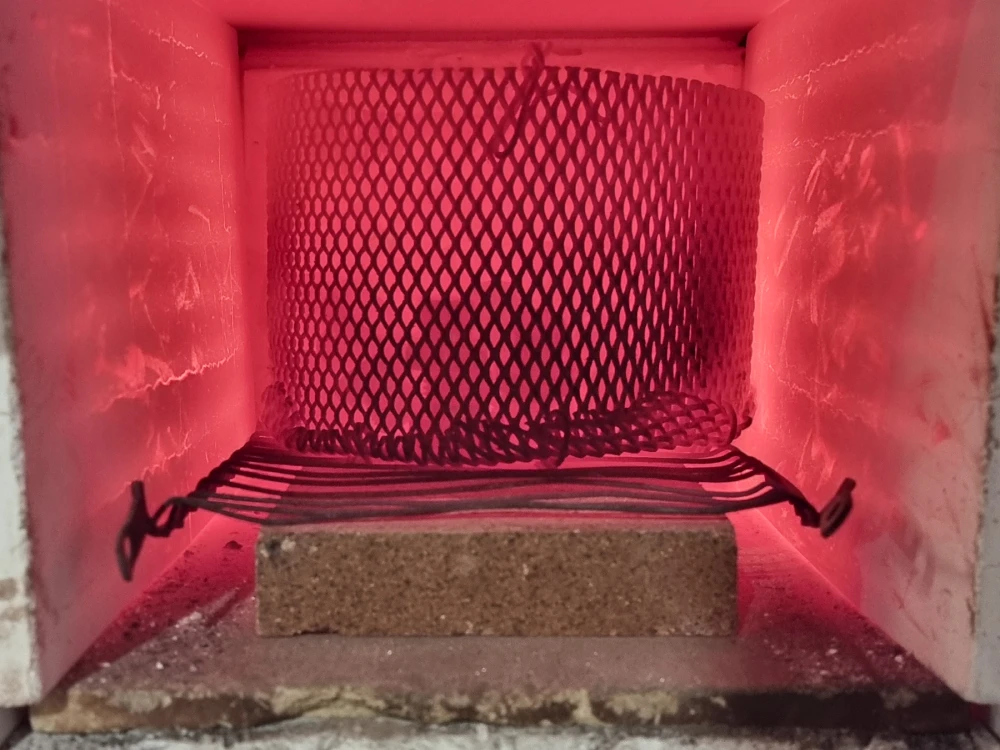
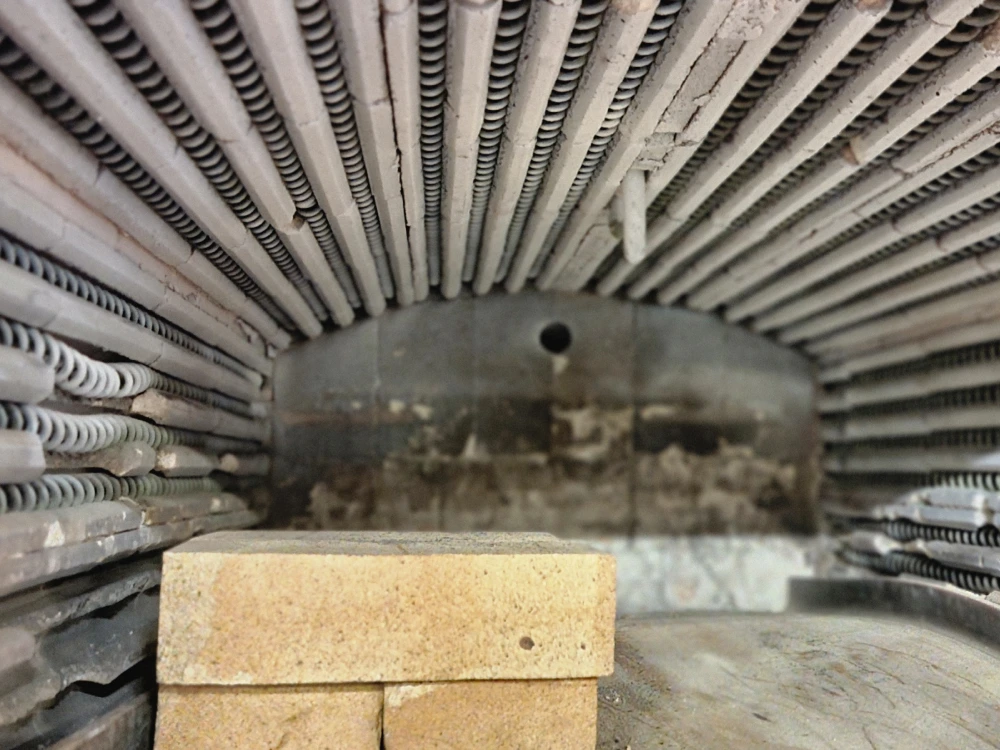
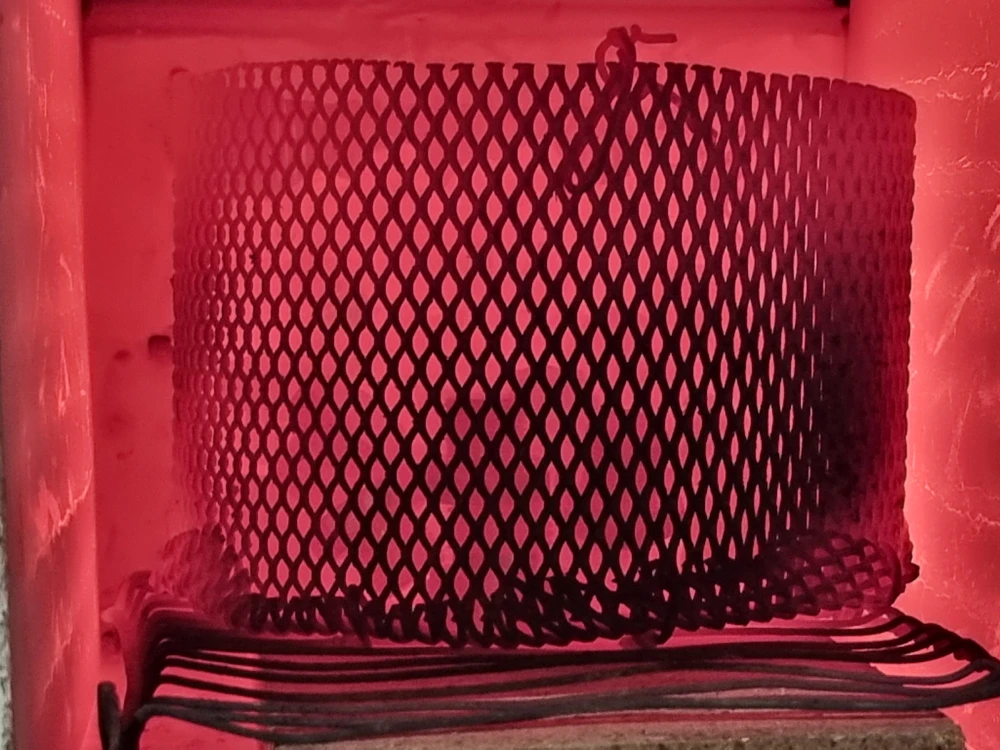
Normalising is a foundational heat treatment process carried out by Subcon Group as part of its UK manufacturing capability, used to refine the internal structure of steel components and improve uniformity of mechanical properties. The process involves heating steel above its critical transformation temperature and allowing it to cool in still air. This controlled thermal cycle produces a more uniform grain structure, improves strength and toughness, and reduces material variability introduced during casting, forging or previous thermal processing. Normalising is commonly specified where consistent material behaviour and structural integrity are required prior to machining or further heat treatment.
Improving Material Uniformity Through Thermal Refinement
During normalising, steel is heated into the austenitic phase and held long enough to allow complete transformation of the microstructure. Controlled air cooling then refines the grain size and distributes carbides more evenly throughout the material. This results in improved homogeneity compared to as-cast or as-forged conditions, helping components respond more predictably to subsequent machining or hardening processes. Subcon Group applies normalising where improved structural consistency is essential to manufacturing performance and end-use reliability.
Preparing Components for Downstream Processing
Normalising is frequently used as a preparatory step in manufacturing workflows, particularly for components that will undergo further machining, case hardening or surface treatment. By equalising the microstructure and relieving internal variations, the process helps reduce machining inconsistencies, tool wear and unexpected material behaviour. Subcon Group integrates normalising into wider manufacturing operations to help stabilise material properties early in the production cycle, supporting efficient processing and predictable results.
Key Advantages of Normalising with Subcon Group
- UK-based manufacturing with controlled normalising capability
- Refined and uniform grain structure for consistent mechanical properties
- Improved strength and toughness compared to untreated material
- Reduced variability from casting or forging processes
- Enhanced machinability and predictable material response
- Suitable as a preparatory treatment before further heat processing
- Consistent results across batches and component sizes

Reduced component distortion, supporting tighter tolerances and less post-treatment machining

Consistently tight tolerances across single components and large production batches

Faster processing cycles compared to conventional furnaces, enabling shorter lead times

Improved wear resistance and fatigue life, reducing in-service failure rates

Minimal oxidation and surface degradation, enhancing component finish and performance

Suitable for both low-volume precision work and high-volume production runs
Frequently Asked Questions
What is normalising and why is it used in manufacturing?
Normalising is a heat treatment process used to improve the consistency of a material’s internal structure. By refining grain size and reducing structural variability, it helps components machine more evenly and behave more predictably during subsequent manufacturing operations.
How does normalising improve manufacturing efficiency?
Components that have been normalised typically show improved machinability, reduced tool wear and better surface finish. By addressing material variability early in the production cycle, manufacturers can reduce rework, improve yield and maintain stable production schedules.
Which types of components benefit from normalising?
Normalising is widely applied to structural steel components, forgings, castings and general engineering parts. It is particularly beneficial for components that require a balance of strength and toughness or those intended for further heat treatment.
Which industries commonly specify normalising?
The process is commonly used across automotive, construction, heavy equipment and industrial machinery sectors, where consistent material properties and reliable downstream processing are essential.
How is quality assured during the normalising process?
Quality assurance is central to normalising at Subcon Group. Key parameters such as temperature, soak time and cooling conditions are carefully controlled to ensure consistent phase transformation and grain refinement. Process monitoring and inspection confirm that material properties meet specified and repeatable requirements.
Why choose Subcon Group for normalising in the UK?
Normalising is a core part of Subcon Group’s UK-based heat treatment capability. By combining controlled thermal processing with practical manufacturing expertise, Subcon Group delivers refined material structures that support reliable machining, efficient production and consistent component performance.
Additional Services
Salt Bath Carburising
Salt bath heat carbonising is a highly controlled thermo-chemical heat treatment process used to enhance the surface performance...
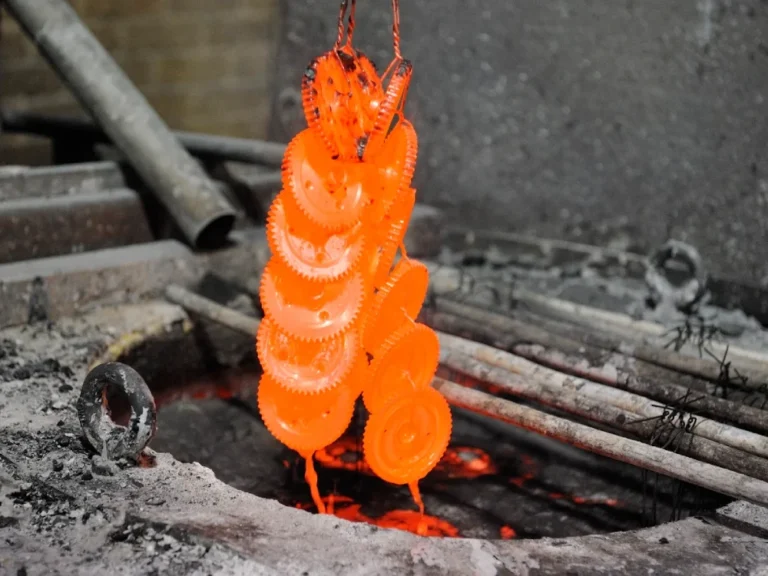
Case Hardening
Case hardening is a widely used and proven heat treatment process delivered by Subcon Group, a UK-based manufacturing specialist...
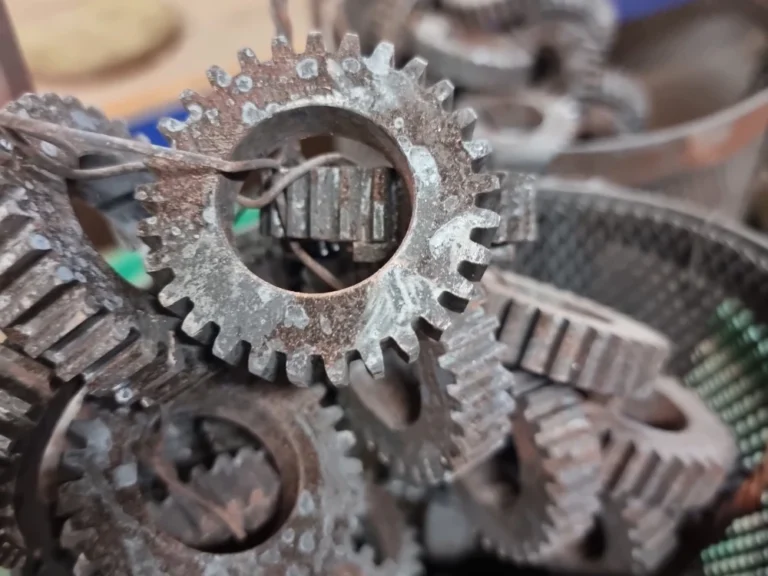
Stress Relieving
Stress relieving is a specialist heat treatment process offered by Subcon Group, a UK manufacturer with in-house capability...
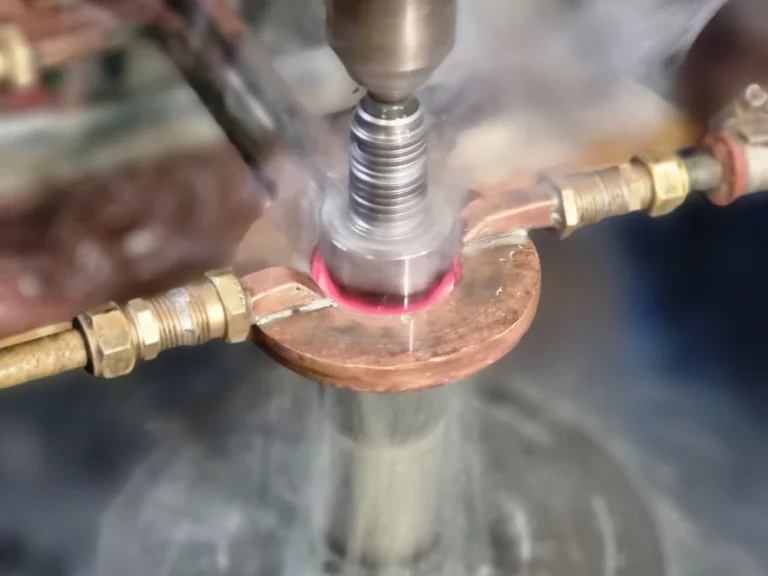
Induction Hardening
Induction hardening is a precision heat treatment process delivered by Subcon Group as part of its UK manufacturing operations...
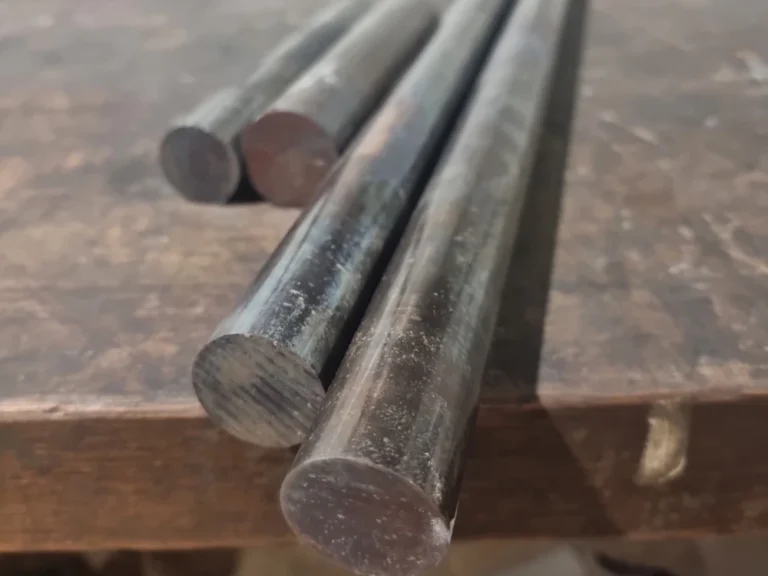
Perciptation & Age Hardening
Precipitation and age hardening is a specialist heat treatment process delivered by Subcon Group within its UK manufacturing capability...
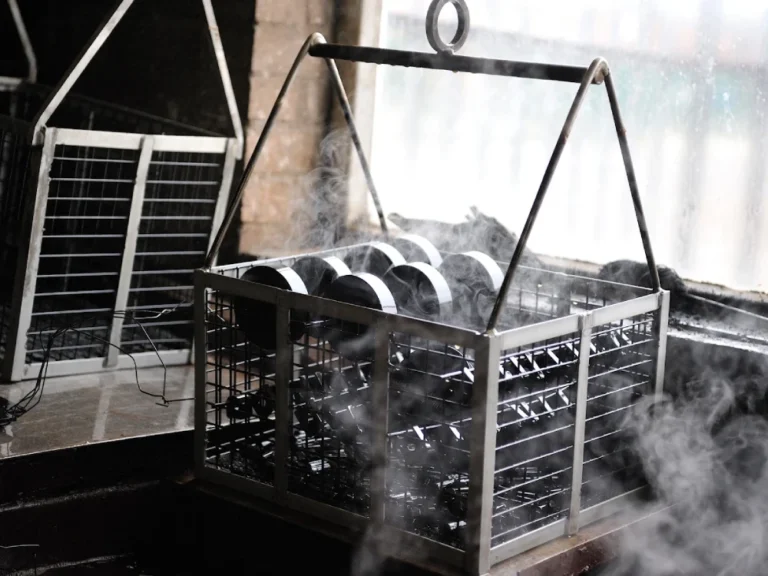
Hot Chemical Blackening
Hot chemical blackening is a controlled surface finishing process carried out by Subcon Group within its UK manufacturing operations...
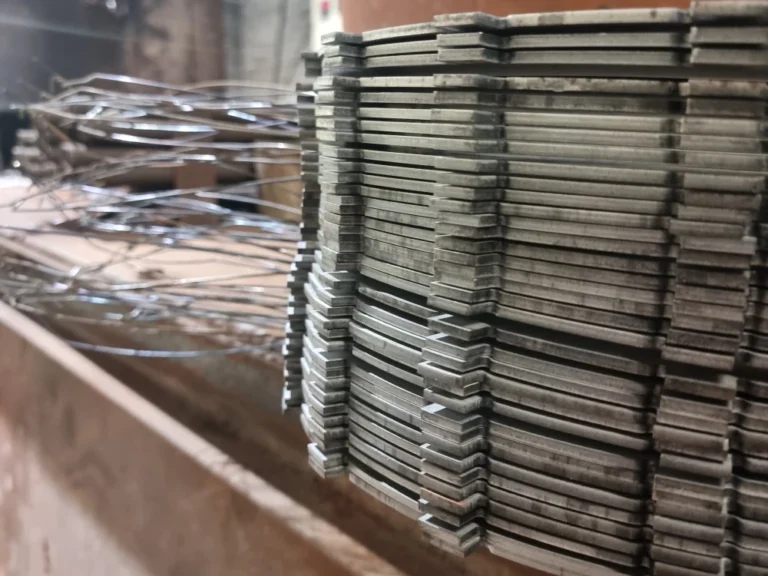
Salt Bath Hardening
Salt bath hardening is a precision heat treatment process delivered by Subcon Group as part of its UK manufacturing operations...
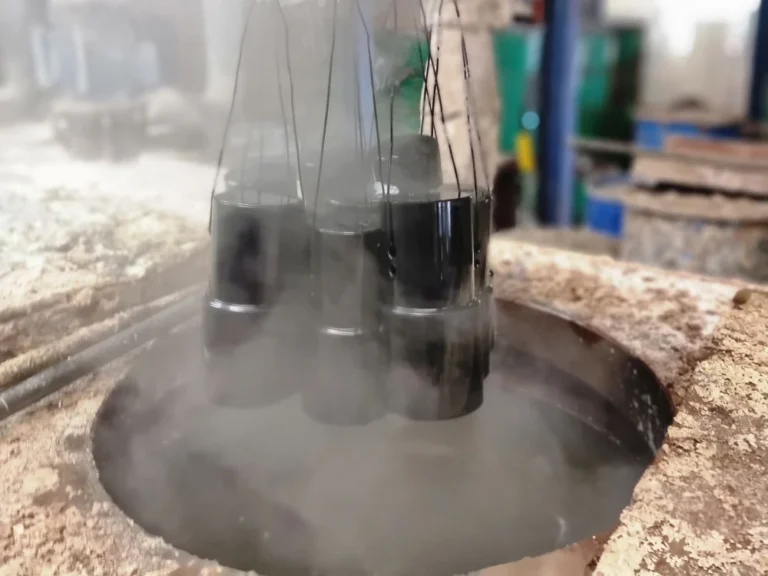
Tuffride Q & QPQ
Tuffride Q and QPQ are advanced salt bath nitriding processes carried out by Subcon Group within its UK manufacturing operations...
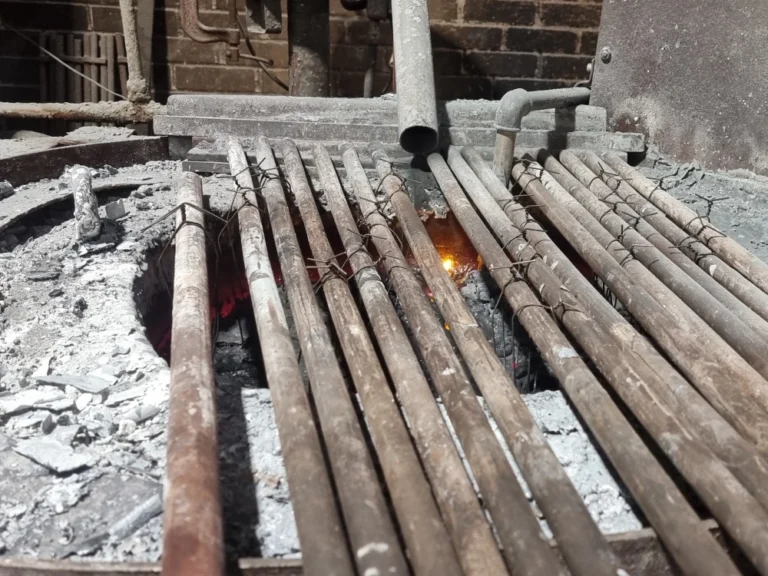
Carbonitriding
Carbonitriding is a thermo-chemical heat treatment process delivered by Subcon Group as part of its UK manufacturing...
Annealing
Annealing is a fundamental heat treatment process carried out by Subcon Group within its UK manufacturing capability...
Get in touch
Start Your Project with Us
For quotes or technical support, contact our team. We respond quickly and provide clear guidance for your requirements.