
What Is Design For Manufacturer In Precision Engineering?
Design for Manufacturer in precision engineering is the process of reviewing and refining a component design so it can be produced accurately, efficiently and cost-effectively. In precision machining, Design for Manufacturer helps ensure that parts are not only designed to function correctly, but also designed to be manufactured reliably.
Understanding Design For Manufacturer In Precision Engineering
Design for Manufacturer is an important part of modern precision engineering because the decisions made at the design stage directly affect machining time, material use, inspection requirements, production cost and final component quality.
A component may look correct on a drawing or CAD model, but that does not always mean it is easy, efficient or practical to machine. Features such as tight tolerances, deep pockets, thin walls, awkward internal corners, complex profiles and difficult-to-access holes can all increase manufacturing complexity.
Design for Manufacturer services help identify these challenges before production begins. By reviewing the component design early, engineers can suggest practical changes that improve manufacturability without compromising the part’s function.
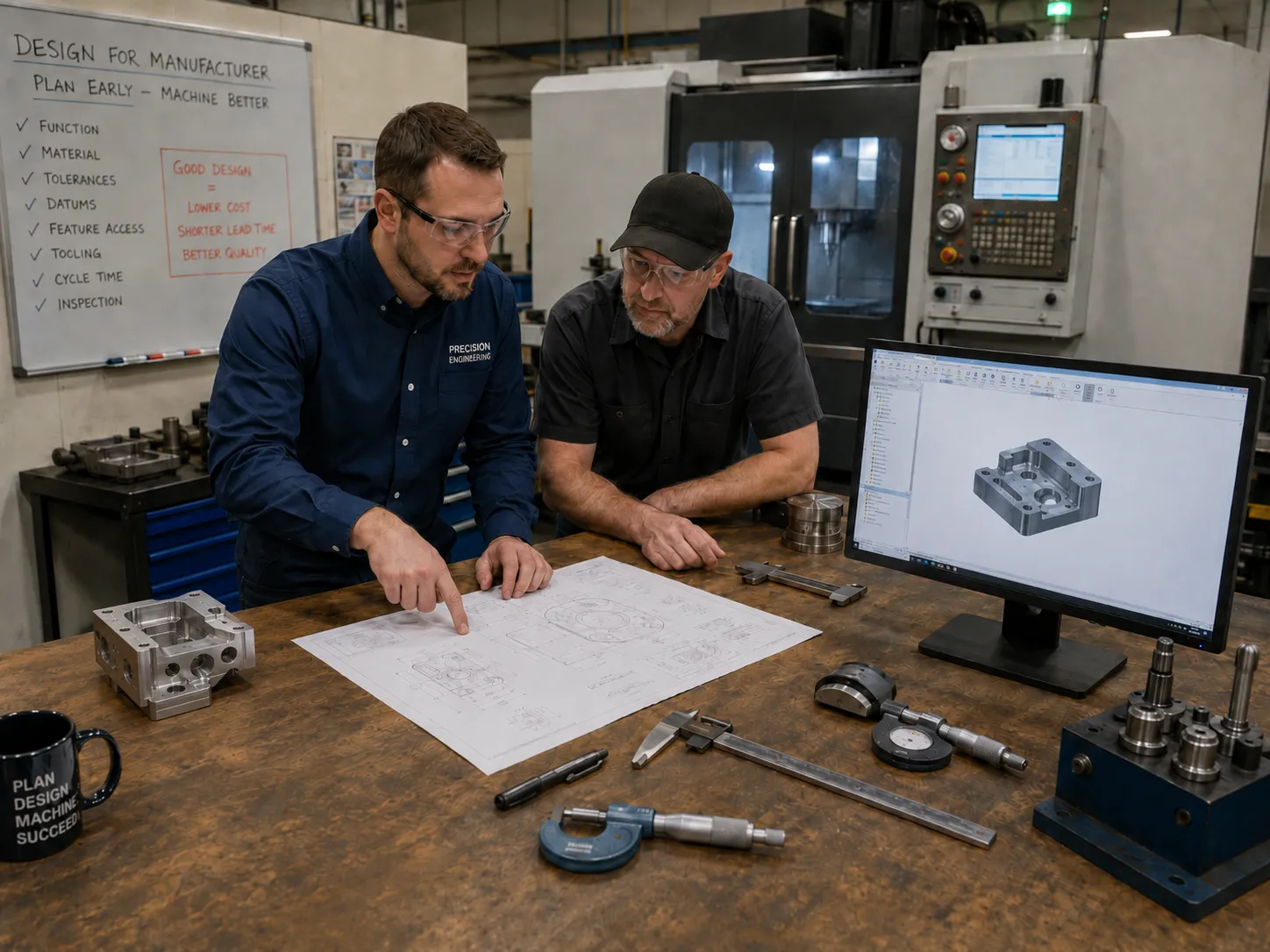
At Subcon Group, Design for Manufacturer support forms part of a wider UK precision machining service, helping customers improve component design, reduce production risk and achieve dependable manufacturing results.
For customers looking for precision engineering design support, Design for Manufacturer provides a valuable link between product design and real-world manufacturing. It helps turn an idea, drawing or prototype into a component that can be machined consistently across one-off projects, small batches and repeat production.
Why Design For Manufacturer Matters Before Machining Begins
Precision machining relies on accuracy, planning and process control. When a component is designed with manufacturing in mind, it becomes easier to machine, inspect, assemble and reproduce.
Design for Manufacturer is particularly important before CNC machining, CNC turning, CNC milling or manual machining begins because even small design choices can have a major impact on the final production route. A small radius, an unnecessary tolerance or an awkward feature may require extra tooling, longer setup time, additional inspection or secondary operations.
By applying Design for Manufacturer principles early, customers can reduce avoidable issues before they affect lead times or costs. This makes Design for Manufacturer especially useful for businesses developing new products, improving existing components or moving from prototype machining into batch production.
Design for Manufacturer is not about weakening a design. It is about making the component easier to manufacture while keeping the required performance, fit and quality intact.
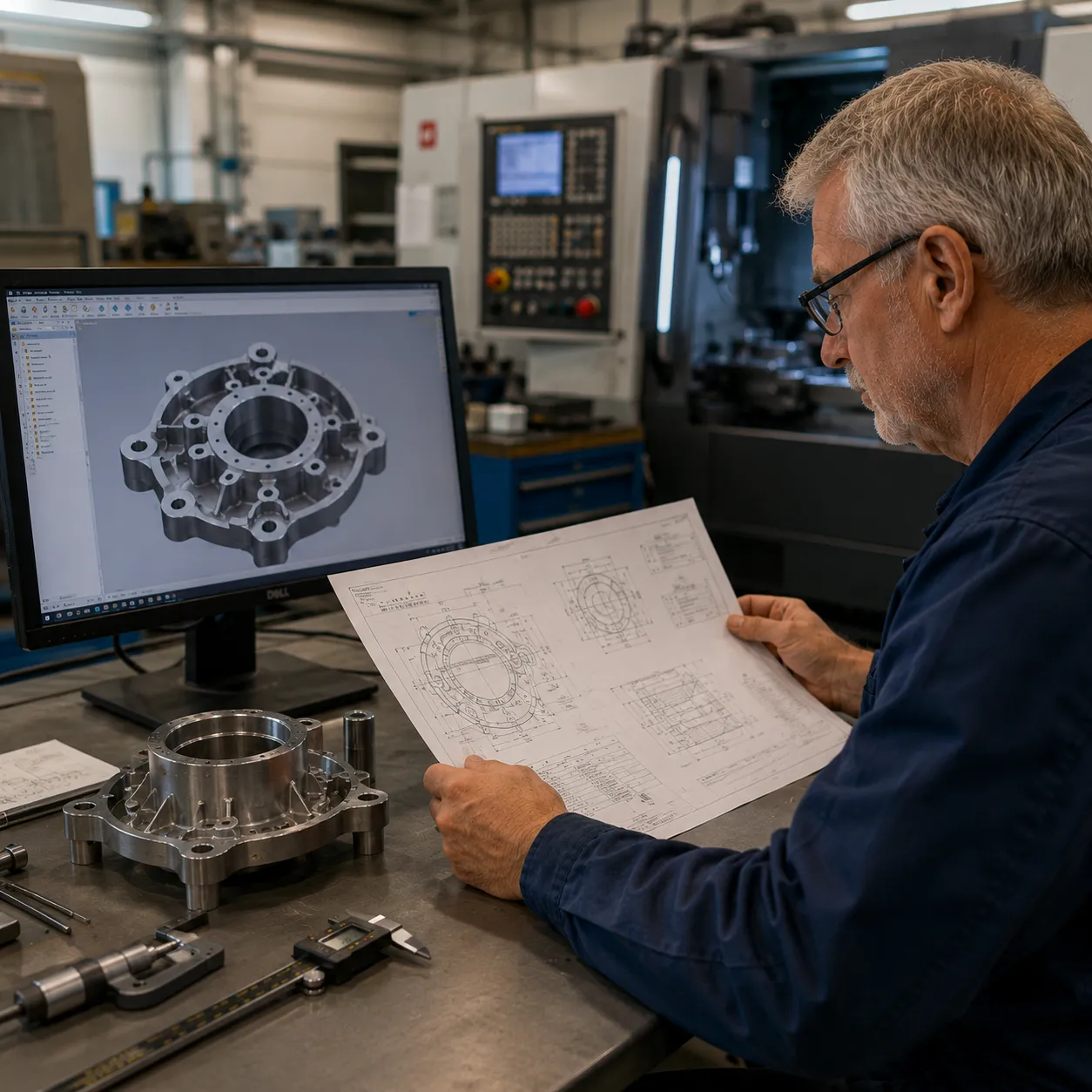
How Design For Manufacturer Supports Precision Component Production
Design for Manufacturer supports precision component production by bringing practical engineering knowledge into the design review stage. This helps ensure that each part can be produced using the most suitable machining method, material and production strategy.
During a Design for Manufacturer review, engineers consider the full manufacturing journey of the component. This includes the shape of the part, machining access, material choice, tolerance requirements, surface finish expectations, tooling needs, workholding, fixturing, inspection access, production volume, lead time and cost efficiency.
By reviewing these areas together, manufacturers can identify where a design may create unnecessary difficulty before machining begins. The result is a more practical component design that supports accurate machining, consistent inspection and reliable production.
For precision engineered components, this is especially important because parts often need to meet tight dimensional requirements while remaining commercially viable to produce.
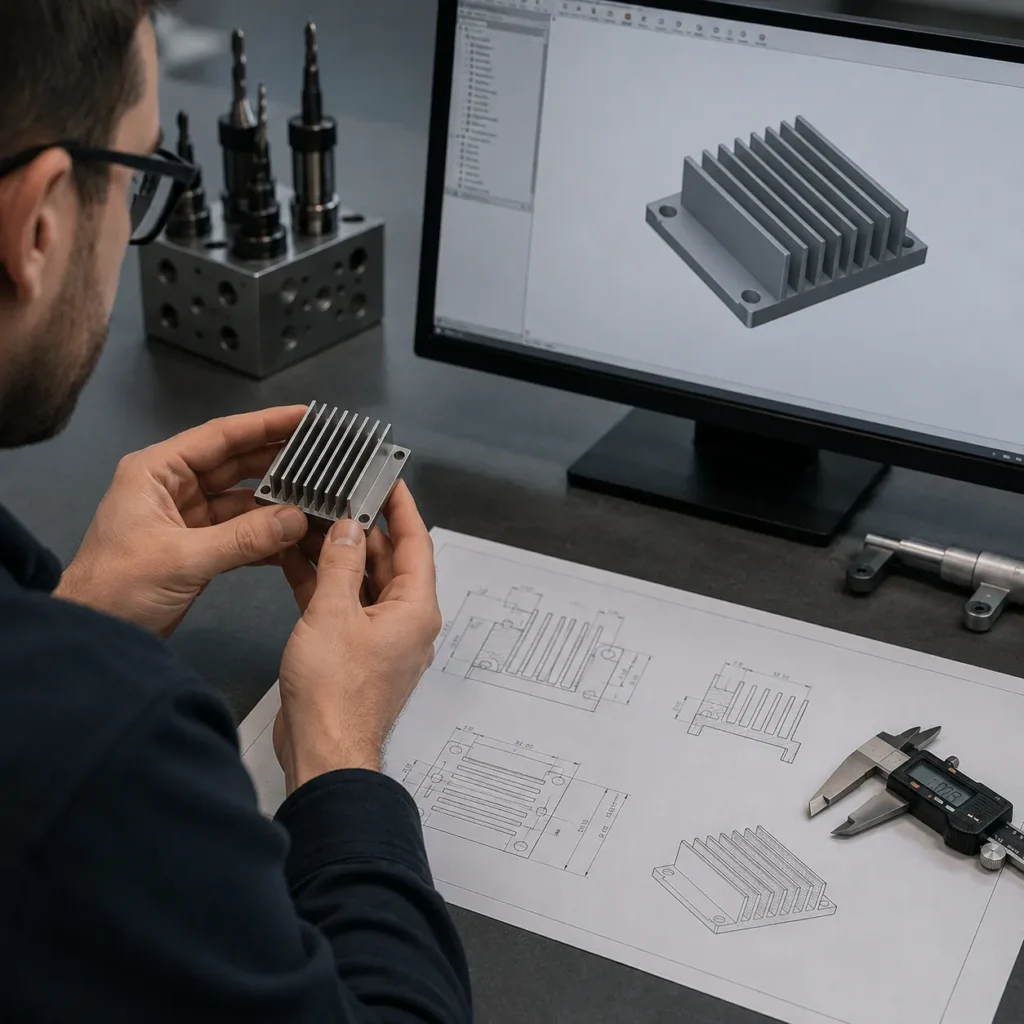
Design For Manufacturer And CNC Machining
Design for Manufacturer plays a major role in CNC machining services. CNC machines can produce highly accurate and complex components, but the best results are achieved when the design is aligned with the machining process.
For CNC milling, Design for Manufacturer may focus on pocket depths, corner radii, wall thickness, tool access and the number of setups required. For CNC turning, it may consider diameters, grooves, threads, bores, undercuts and surface finish requirements.
Effective CNC machining design support helps reduce unnecessary machining time and improves production efficiency. It can also reduce the risk of tool wear, vibration, distortion or difficult inspection.
For customers using CNC milling services or CNC turning services, Design for Manufacturer can help create components that are easier to programme, machine and repeat. This supports better quality control and more predictable production outcomes.
Key Areas Reviewed During A Design For Manufacturer Process
A strong Design for Manufacturer process looks at the full manufacturing journey, not just the shape of the component. The goal is to ensure that the part can be produced accurately, efficiently and consistently.
Tolerance Optimisation
Tolerances define how much variation is acceptable on a component feature. In precision engineering, tight tolerances are sometimes essential, especially for mating parts, bearing surfaces, sealing faces and assembly-critical features.
However, applying tight tolerances to every feature can increase machining cost and inspection time. Design for Manufacturer helps identify which tolerances are truly critical and which can be adjusted without affecting performance.
This makes tolerance optimisation one of the most valuable parts of Design for Manufacturer for precision components.
Material Selection
Material choice affects machinability, strength, durability, weight, corrosion resistance, surface finish and cost. A design may be technically possible in one material, but more efficient or reliable in another.
Design for Manufacturer support helps customers select materials that suit both the application and the manufacturing process. This is important for components made from aluminium, stainless steel, mild steel, brass, bronze, copper, titanium, engineering plastics and other specialist materials.
The right material can improve machining efficiency, reduce tool wear and support better long-term component performance.
Feature Simplification
Machining Access
Inspection And Quality Control
Precision components must be measurable as well as manufacturable. If a feature is difficult to inspect, it can create uncertainty during quality control.
Design for Manufacturer can improve inspection access by considering datum points, measurement surfaces and feature clarity during the design stage. This supports more reliable quality assurance and helps maintain consistency across production batches.