
What is Precision Engineering Stress Relieving Heat Treatment?
UK-based Precision Engineering company, Subcon Group delivers stress relieving as part of the comprehensive heat treatment capability offered to a wide range of industries today.
Why Metal Moves: Overcoming Distortion in CNC Machining
Modern engineering relies heavily on CAD design, CAM programming and CNC machining to produce accurate, repeatable components. But even with the best digital tools, one challenge remains constant: metal moves when internal stresses are released.
This is where Subcon Group controlled stress relieving and expert heat‑treatment support becomes a critical part of the machining workflow to ensure the accuracy and reliability of the final component.
Combining controlled thermal processing with extensive engineering expertise, Subcon Group provides dependable, high-quality heat treatment that improve dimensional stability, reducing distortion and streamline machining processes
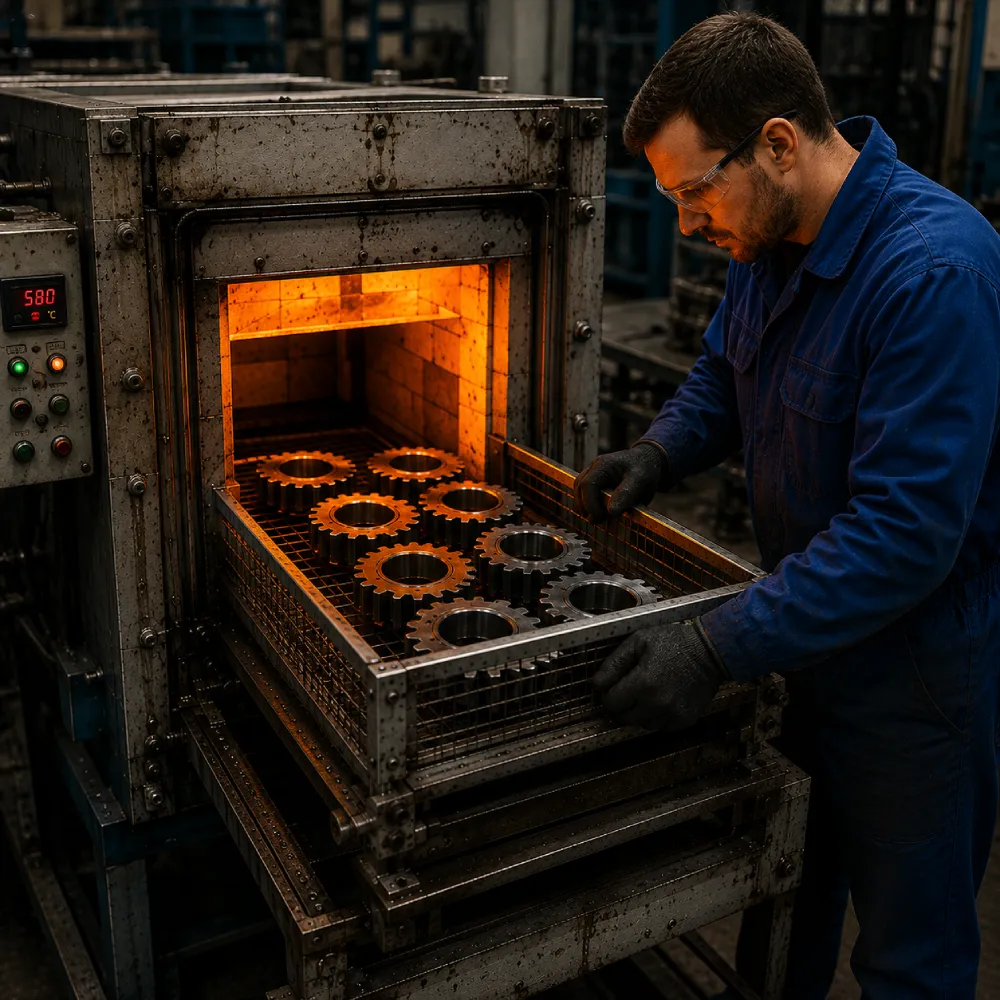
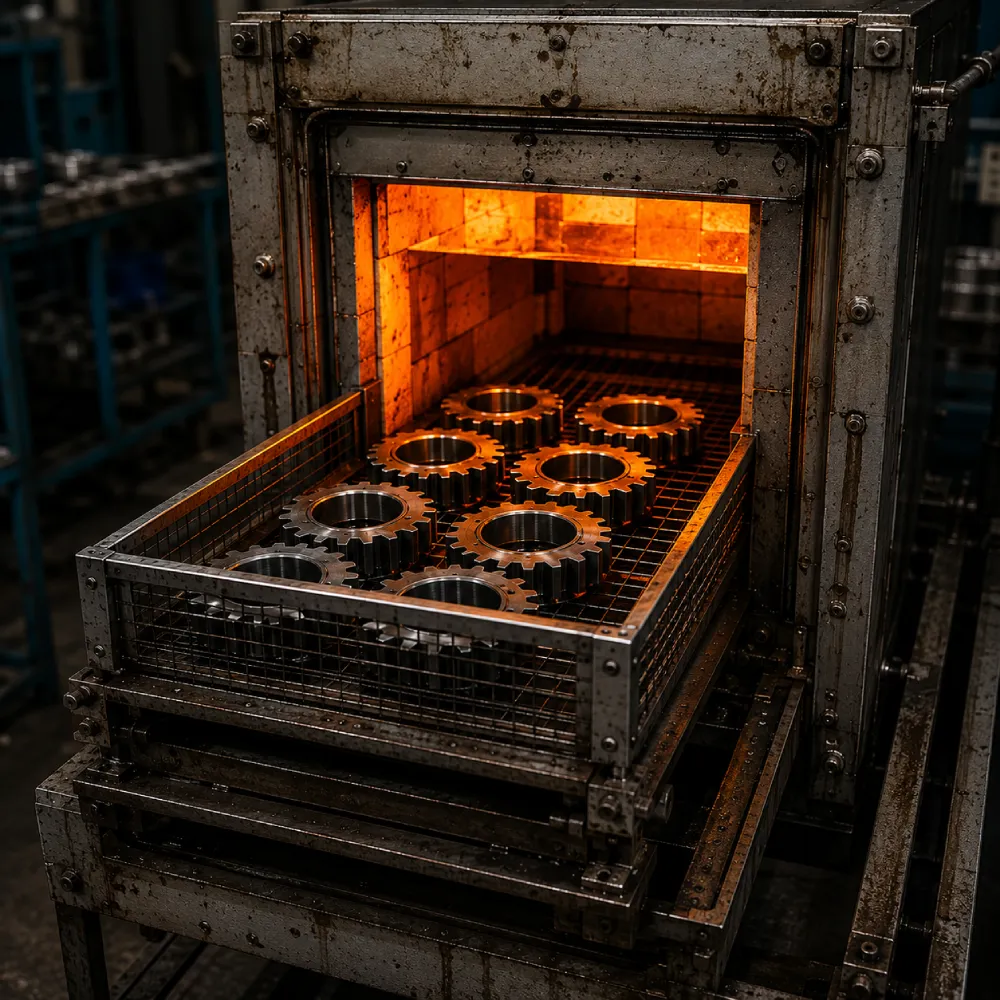
Why Choose Subcon Group for Stress Relieving Services?
Precision Engineering Knowledge
Unlike general subcontract heat treatment providers, Subcon Group understands the wider precision engineering process. The engineering team works closely with customers to ensure heat treatment requirements align with downstream machining, assembly and operational performance.
For manufacturers, machinists and fabricators, Subcon Group’s stress relieving services create better dimensional stability, fewer scrapped parts, more predictable machining, tighter tolerances and reduced distortion on welded or flame‑cut components.
Controlled Heat Treatment Expertise
Subcon Group quality‑control tool supports the entire digital‑to‑physical manufacturing chain. The highly-experienced team applies carefully controlled heat treatment cycles designed to suit specific material grades, component geometries and engineering requirements.This disciplined approach helps ensure consistent stress reduction, dimensional stability and repeatable processing quality.
Support for Prototype and Production Manufacturing
From one-off prototype projects to repeat production work, Subcon Group offers scalable and flexible manufacturing support designed around customer requirements and operational priorities.
Fast Turnaround and Responsive Support
Modern manufacturing environments often require urgent turnaround times and dependable scheduling. Subcon Group provides responsive quotations, flexible production support and reliable delivery performance to keep projects moving efficiently.
Integrated Manufacturing and Heat Treatment
One of the major advantages of working with Subcon Group is the integrated precision engineering capability. Customers can combine machining, fabrication and stress relieving through a single UK manufacturing partner. This reduces lead times, minimises supply chain complexity and improves overall production efficiency.
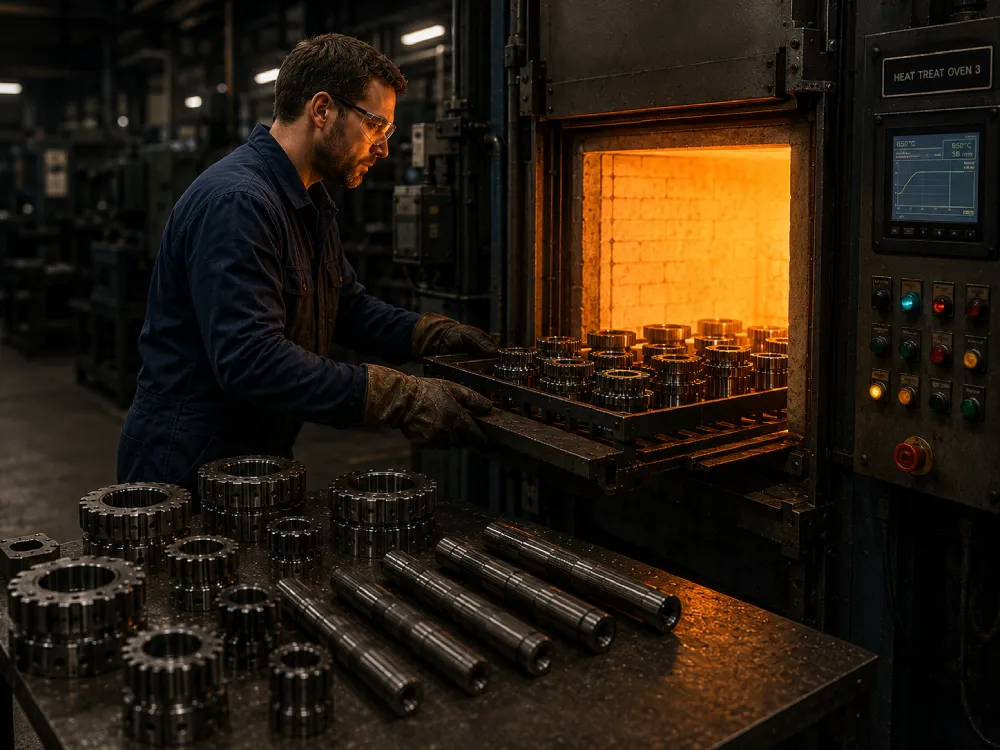
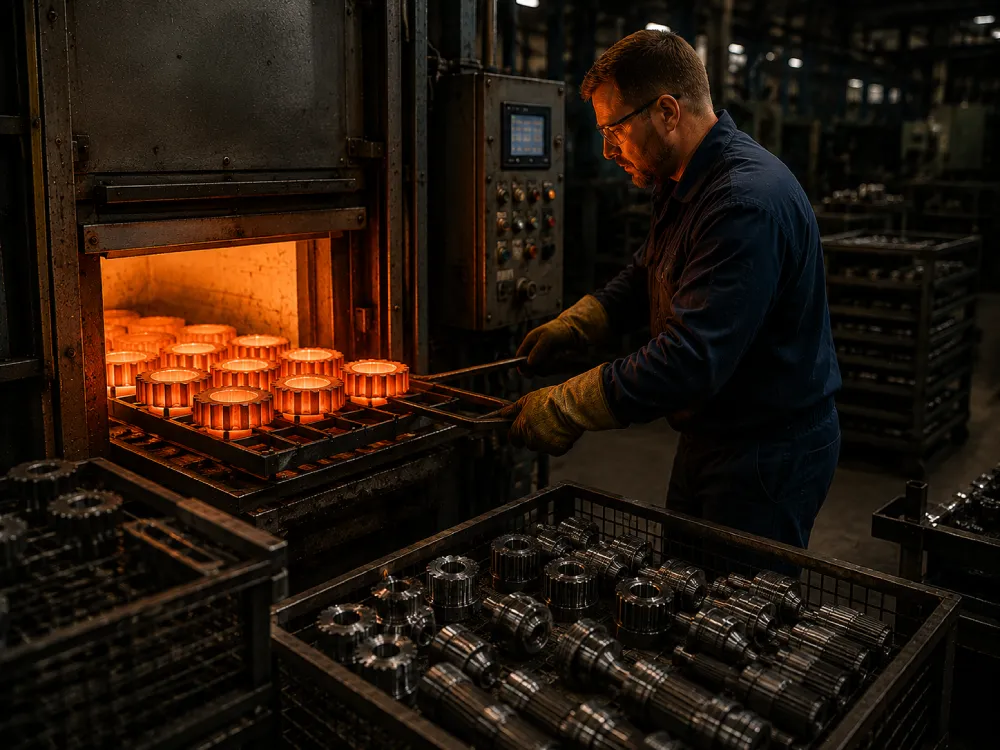
Stress Relieving Explained – A Complete UK Manufacturing Guide
Stress relieving is a thermal heat treatment process involving controlled heating and cooling cycles to reduce residual internal stress within metal components after machining, welding, forming or fabrication.
In precision engineering, CAD (Computer Aided Design) defines the geometry of parts by identifying where distortion risk is at the highest. CAM (Computer Aided Manufacturing) defines the machining strategy to determine how stresses will be introduced or released. CNC machining removes material which can trigger stress movement. Stress relieving stabilises the part to keep everything dimensionally accurate.
The process involves heating the material to a carefully controlled temperature below its critical transformation point. The component is then held at temperature for a controlled period to allow residual stresses to redistribute evenly throughout the material. Once the required soak time has been achieved, the component is cooled gradually under controlled conditions to prevent the introduction of new thermal stresses.
Unlike hardening processes, stress relieving does not significantly alter the material’s core structure or hardness. Instead, it allows the material to relax internally, improving dimensional stability and reducing the likelihood of movement or cracking during service.
Subcon Group Stress relieving is often done before machining to stabilise raw material, between roughing and finishing to prevent movement and after welding to remove heat‑affected stresses.
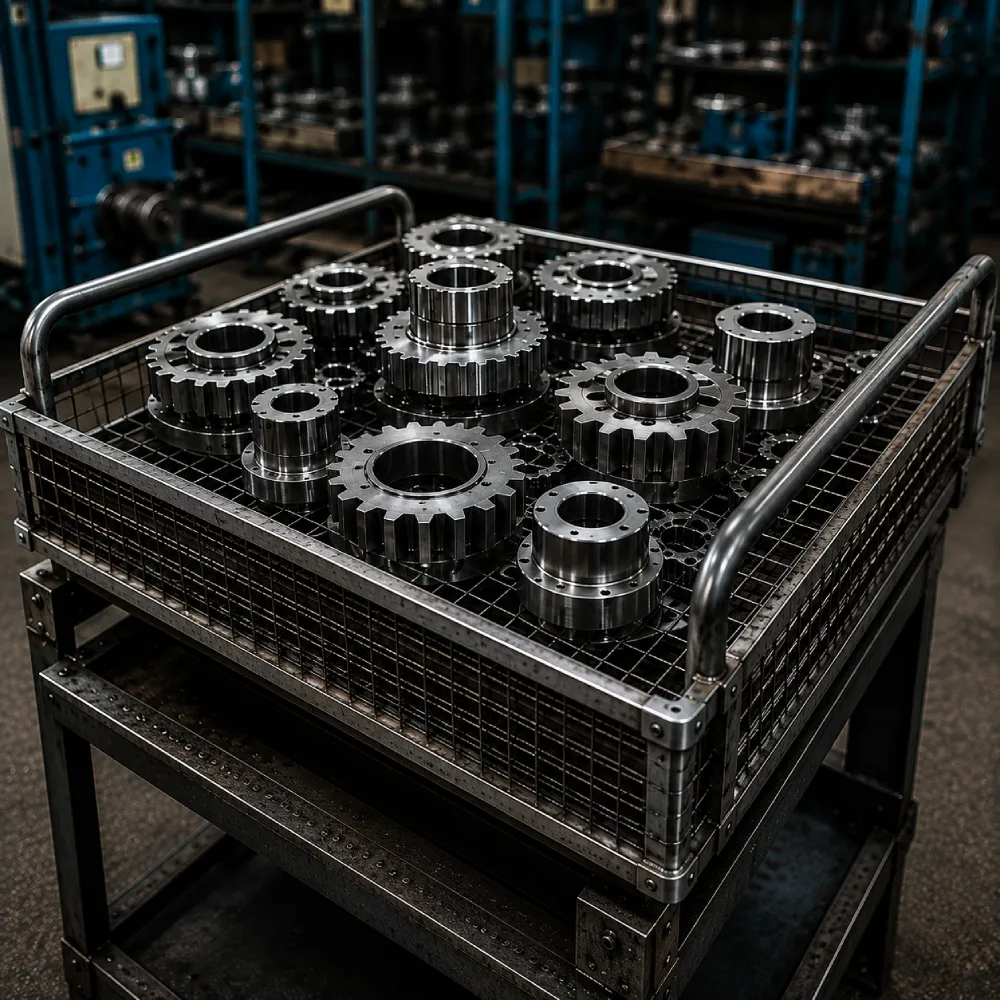
What Engineering Materials are Suitable for Stress Relieving?
Subcon Group has the capacity to apply stress relieving to an extensive range of engineering materials, depending on component geometry, manufacturing process and operational requirements.
Metals including mild steel and carbon steel components are commonly stress relieved by Subcon Groups experts after fabrication, welding or heavy machining to improve structural consistency and reduce distortion risks.
Subcon’s Stress relieving team often treat stainless steel to improve dimensional stability and reduce residual stress after machining or welding operations, particularly in food-grade and corrosive environments.
Alloy Steel parts used in demanding industrial applications often undergo Subcon Group’s stress relieving process to improve reliability and operational performance.
Whereas, certain aluminium grades can benefit from thermal stress reduction after machining or fabrication to improve stability and minimise movement.
Subcon Group is fully equipped to deal with advanced engineering materials such as titanium and specialist alloys that are frequently stress relieved within aerospace and high-performance manufacturing sectors to maintain structural integrity and precision.
Stress Relieving Applications Across Industry
Subcon Group’s Stress relieving services are essential across a wide range of manufacturing and engineering sectors where component precision and reliability are critical.
Aerospace Engineering
Automotive and Motorsport Manufacturing
Heavy Fabrication and Industrial Engineering
Toolmaking and Precision Engineering
Energy, Marine and Infrastructure Sectors
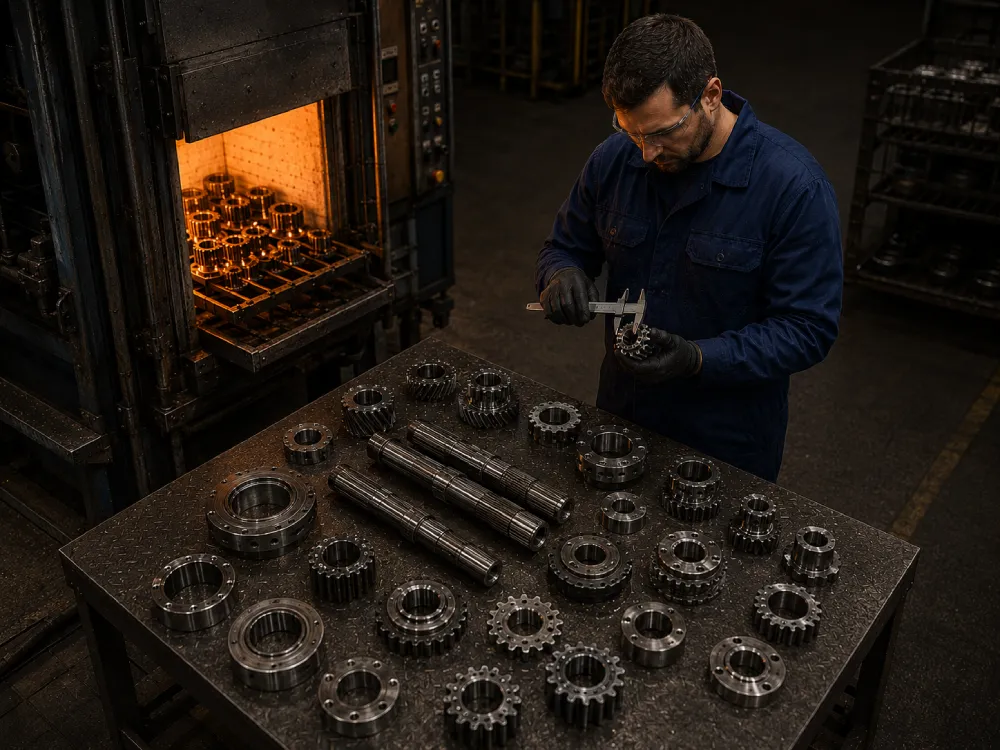
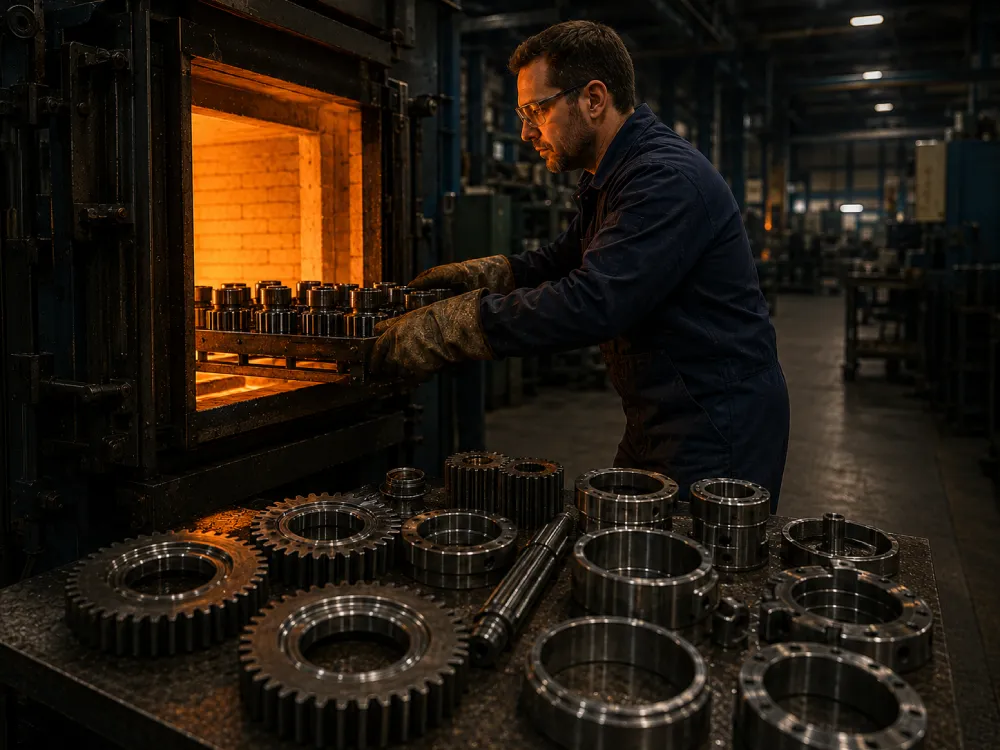
Stress Relieving vs Annealing: A Quick Explanation for Engineers
Stress relieving and annealing are both thermal heat‑treatment processes, but serve very different purposes in manufacturing. Where stress relieving stabilises components, annealing prepares them for shaping.
Stress relieving focuses on reducing internal residual stress so components remain dimensionally stable during and after machining or welding. It has minimal effect on hardness and is typically carried out after machining, fabrication or welding to prevent movement, distortion or tolerance drift. The material’s core properties remain largely unchanged, making it ideal for precision‑critical parts.
Annealing, on the other hand, is used to soften the material and improve ductility before further manufacturing. It significantly reduces hardness, enhances formability and improves machinability by changing the material’s microstructure. Annealing is usually performed before machining, bending or forming operations, especially when the material needs to be more workable.
Subcon Group provides both processes as part of the UK‑based precision heat‑treatment capability, helping manufacturers choose the right method for the material, geometry and production workflow.
Unsure whether your component needs Stress Relieving, Annealing or another heat treatment process?