
Why UK Manufacturers Are Bringing CNC Machining Back Onshore
Onshore Precision Engineering: Streamlining UK Component Manufacturing
For UK manufacturers seeking the most optimal precision component production, overseas sourcing can offer attractive initial pricing. However the wider costs associated with longer supply chains, additional transport, communication delays and reduced manufacturing visibility can make the overall proposition less straightforward.
Bringing Precision Component Production back to the UK, sees the benefits extend far beyond simply changing the physical location of the machining. The objective is to create a supply chain that is responsive, technically capable and easier to manage. A Precision Engineering Supplier needs to provide the machining processes required while also offering the engineering support, inspection and additional manufacturing capabilities needed to deliver a complete component.
Subcon Group provides this combination through the full precision machining and manufacturing capabilities offered at the UK-base. Customers can access CNC milling, CNC turning, manual machining, CNC routing and broaching, alongside Design for Manufacture support, dimensional inspection, heat treatment and surface engineering. This allows the most appropriate manufacturing route to be established for each component rather than forcing different requirements through a single process.
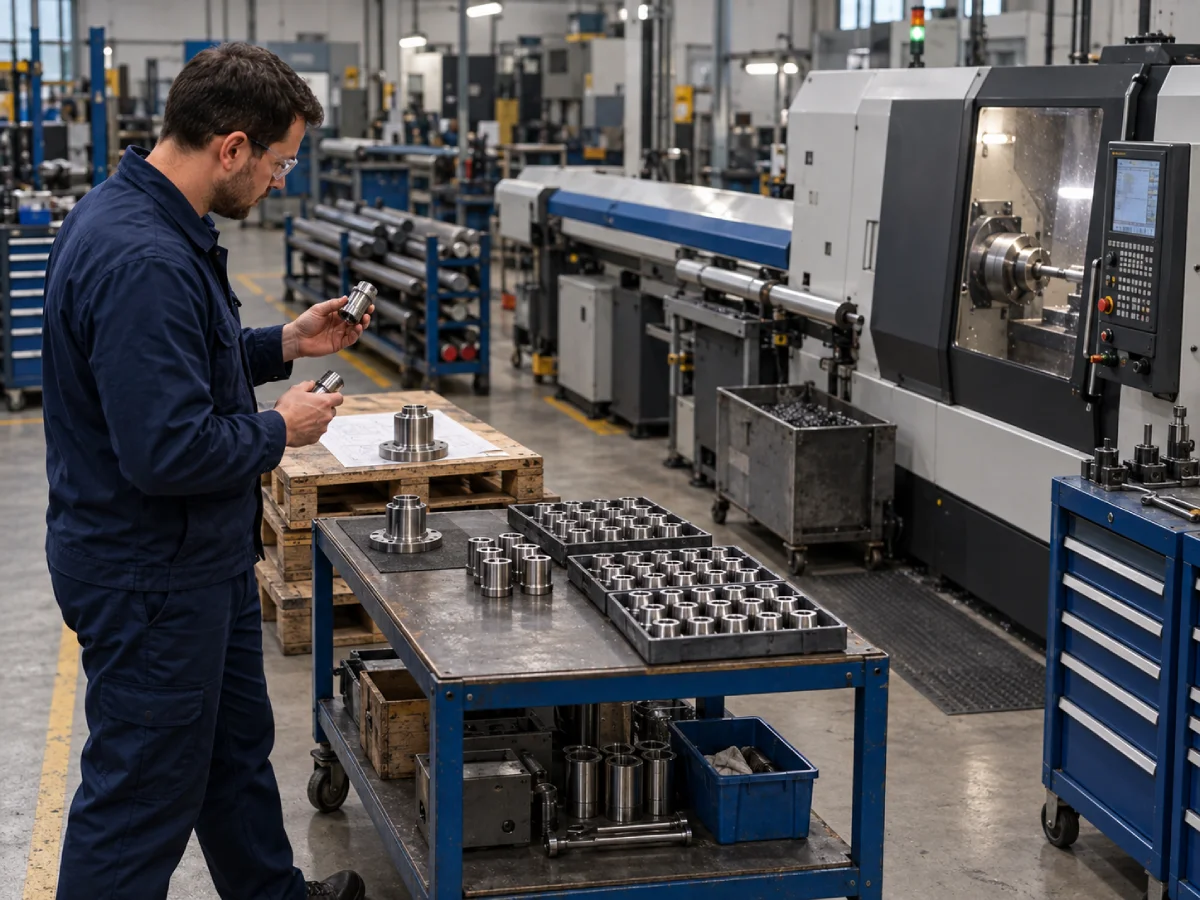
Subcon Group’s Onshore Manufacturing advantages include:
- UK-Based Precision Machining: Direct communication and manufacturing support.
- Multiple Machining Processes: For different component geometries and requirements.
- Prototype-To-Production Capability: Providing continuity through the project lifecycle.
- Integrated inspection and Processing: Supports more complete manufacturing routes.
- Design For Manufacture Expertise: Help customers optimise components production.
For manufacturers reviewing existing supply chains, Subcon Group offers more than a UK alternative to overseas machining. The combination of machining, engineering, inspection, heat treatment and surface engineering can help create a shorter, more controlled and responsive route from drawing to finished component. This makes Subcon Group a strong manufacturing partner for businesses seeking to reduce supply-chain complexity while maintaining the precision, quality and flexibility expected from a modern engineering supplier.
A Shorter Route From Drawing To Finished Component
A CNC machined component rarely travels directly from raw material to the customer’s assembly line. Depending on the application, the manufacturing route may include material preparation, programming, tooling, machining, inspection, heat treatment and surface finishing. When these stages are distributed between multiple suppliers, locations or countries, each additional handover introduces another point that needs to be managed. Transport, scheduling, documentation and communication all become part of the purchasing process, potentially making a relatively straightforward component considerably more difficult to control.
Onshore machining simplifies this route. With production closer to the customer, engineering queries can be resolved more quickly, revised drawings can be discussed directly and production quantities can be adjusted in response to changing demand. This is particularly important where components are technically complex or form part of a critical assembly. A delayed component can affect an entire production schedule, while a manufacturing issue discovered late in the process can result in additional transport, rework or replacement costs. A shorter and more visible supply chain gives manufacturers greater opportunity to identify and address these issues before they become disruptive.
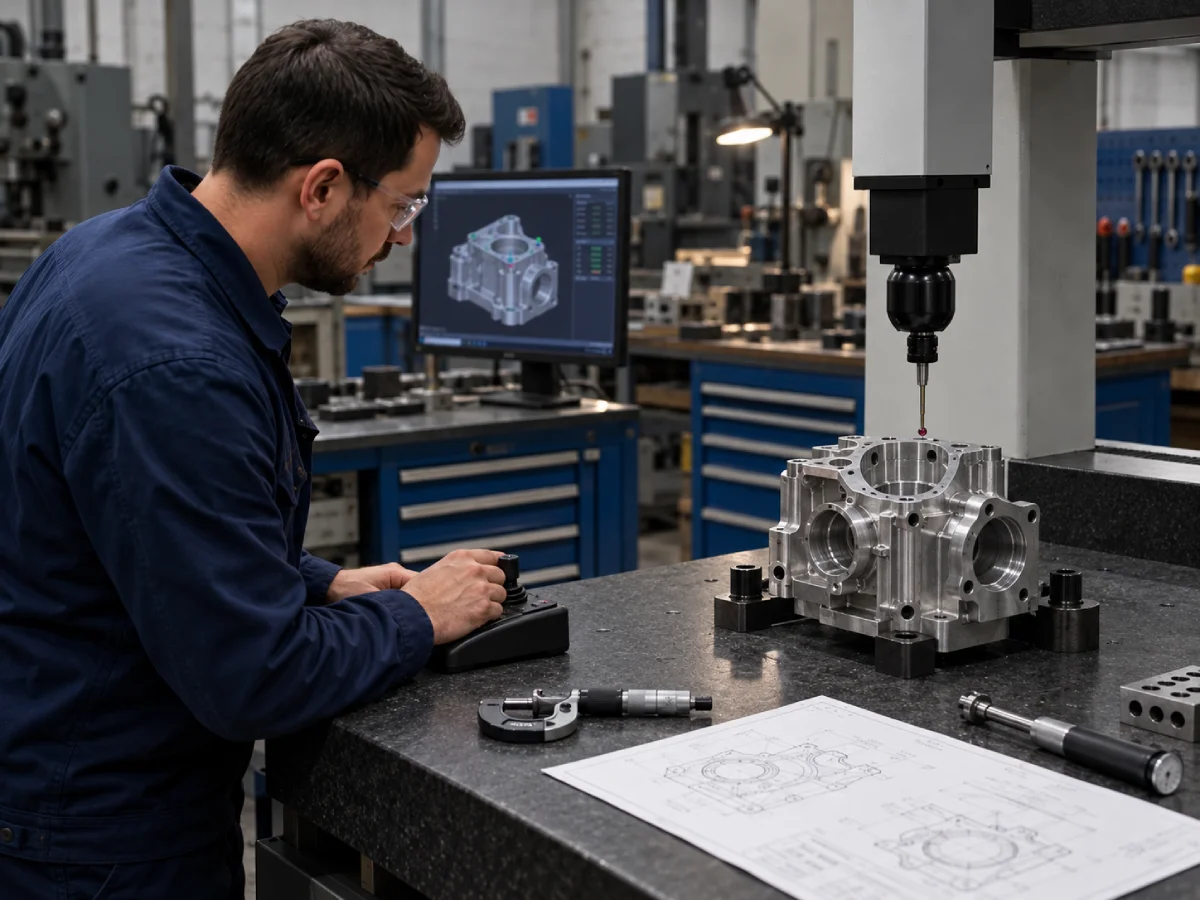

Key advantages of a shorter manufacturing route include:
- Improved Communication: Technical questions and production needs met efficiently.
- Greater Production Visibility: For manufacturing progress and delivery schedules.
- Reduced Transport Requirements: Less travel between manufacturing stages.
- Greater Responsiveness: Production quantities and schedules can be adapted quickly.
- Less Supply-Chain Risks: Minimises delays, miscommunication, and disruption.
Direct Communication With The Manufacturing Team
Precision machining frequently raises questions that cannot be solved simply by reading a purchase order. A tolerance may require clarification, a particular feature may create a tooling-access challenge or the specified material may require a particular machining sequence. Design revisions can also affect workholding, tooling, programming and inspection requirements. These are practical manufacturing decisions, and delays in resolutions can ultimately delay the component final production.
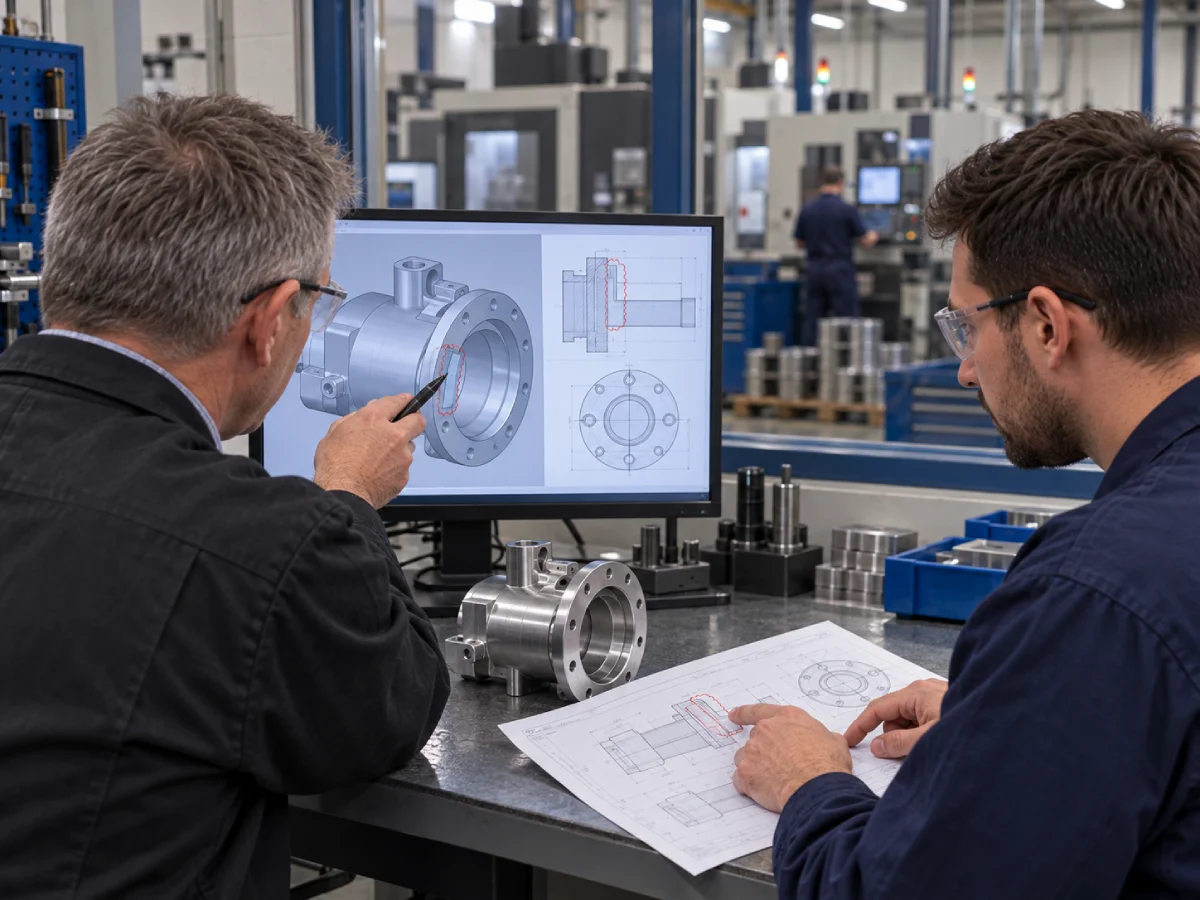
Using a UK precision engineering company creates a shorter communication route between the customer and the manufacturing team. Instead of technical queries going through multiple contacts or across international supply chains, engineers can discuss requirements directly with the engineers responsible for production. This is particularly valuable for new components, revised drawings and projects where the design is still developing. Early communication can also identify opportunities to improve manufacturability before material is committed or machining begins.
Direct communication provide:
- Faster Technical Clarification: For drawings or specifications requiring further discussion.
- Better Understanding of Design Intent: Between client and the engineering team.
- Identifying Early Manufacturing Challenges: Tooling, access, workholding, inspection.
- Effective Management of Drawing Revisions: Through development to production.
- Closer Collaboration: For specialist part machining or manufacturing knowledge.
Combining machining expertise with engineering support, allowing customers to discuss component requirements directly with Subcon Group’s UK-based manufacturing team. The Design for Manufacture approach allows components to be assessed before production, identifying potential improvements to the manufacturing route, while maintaining the required function and performance.
Where UK CNC Machining Adds The Most Value
Onshoring provides benefits across many types of precision manufacturing, but certain projects can gain particular value from having machining closer to the customer. Components with complex geometry, demanding tolerances or changing requirements often need more interaction between engineering and manufacturing teams. The closer this relationship is, the easier it becomes to resolve issues and establish the most appropriate manufacturing route.
The same applies to prototypes and pre-production components. Development projects rarely remain unchanged from the first drawing to final production. Testing can identify improvements, quantities can change and components may be redesigned before entering repeat manufacture. A responsive UK machining partner supports these changes while retaining valuable knowledge of the component and the manufacturing requirements.
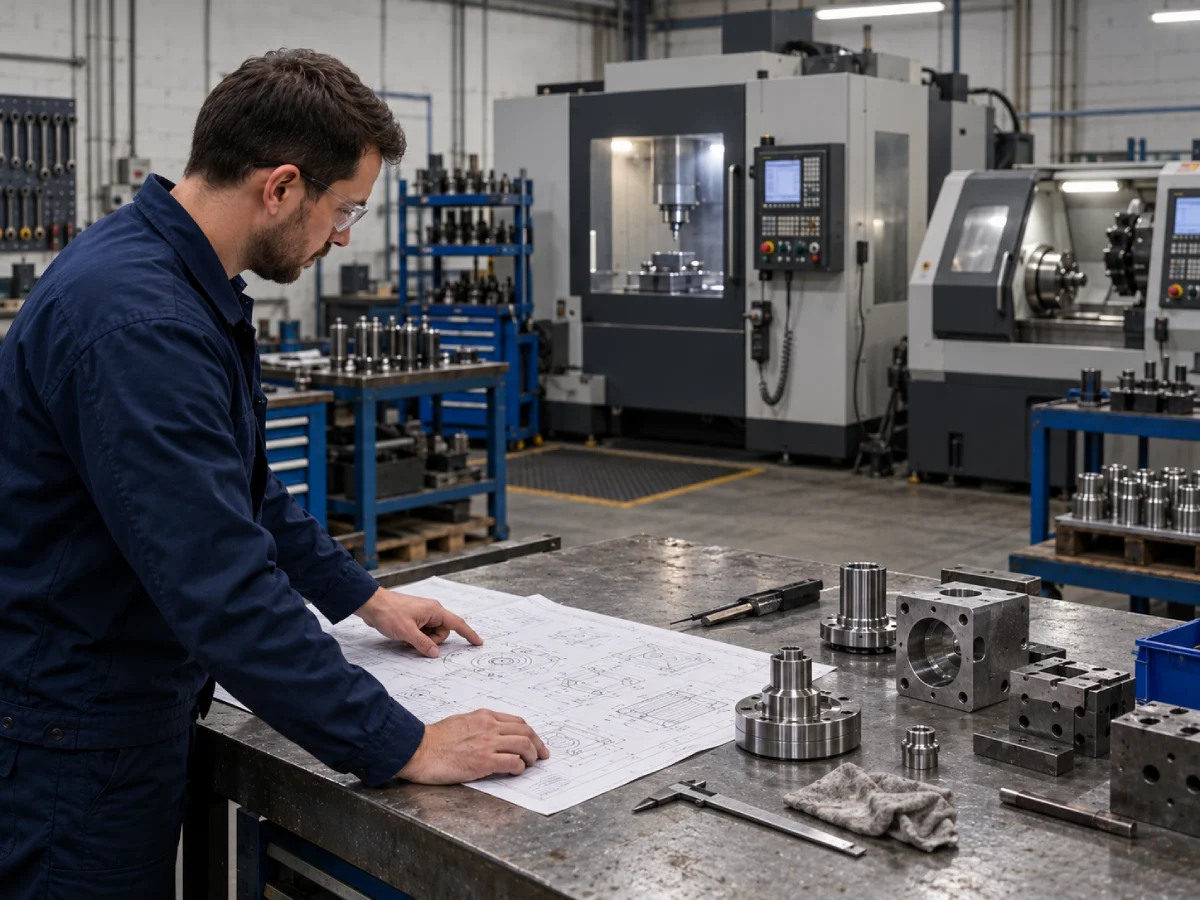
UK CNC machining is particularly valuable for:
- Complex Components: Where geometry or access creates machining challenges.
- Tight-Tolerance Parts: Requiring close control of manufacture and inspection.
- Prototype Components: Where manufacturing processes evolve during development.
- Critical Production Parts: Where delays could affect assembly or wider production.
- Variable-Volume Requirements: Where quantities and delivery schedules may change.
Subcon Group’s broad machining capability allows manufacturing routes to be established according to the individual component. CNC milling, CNC turning, manual turning, manual milling, CNC routing and broaching provide flexibility across different component types, materials and requirements, supporting customers from prototype and development work through to repeat production.
Better Control Of Engineering Revisions
Designs change throughout the development and production life of a component. Testing can identify a dimensional change, an assembly team may request a revised feature or a component may be modified to improve performance or simplify manufacture. Even relatively small alterations can affect CNC programming, tooling, workholding, machining time and inspection requirements. Managing these changes effectively is a critical part of precision manufacturing.
When machining is sourced within the UK, design revisions can be communicated directly to the company controlling production. This makes it easier to assess the manufacturing implications before work begins and reduces the risk of outdated information remaining within an extended supply chain. It also creates an opportunity to review whether a revised component can be manufactured more efficiently without compromising the intended function.
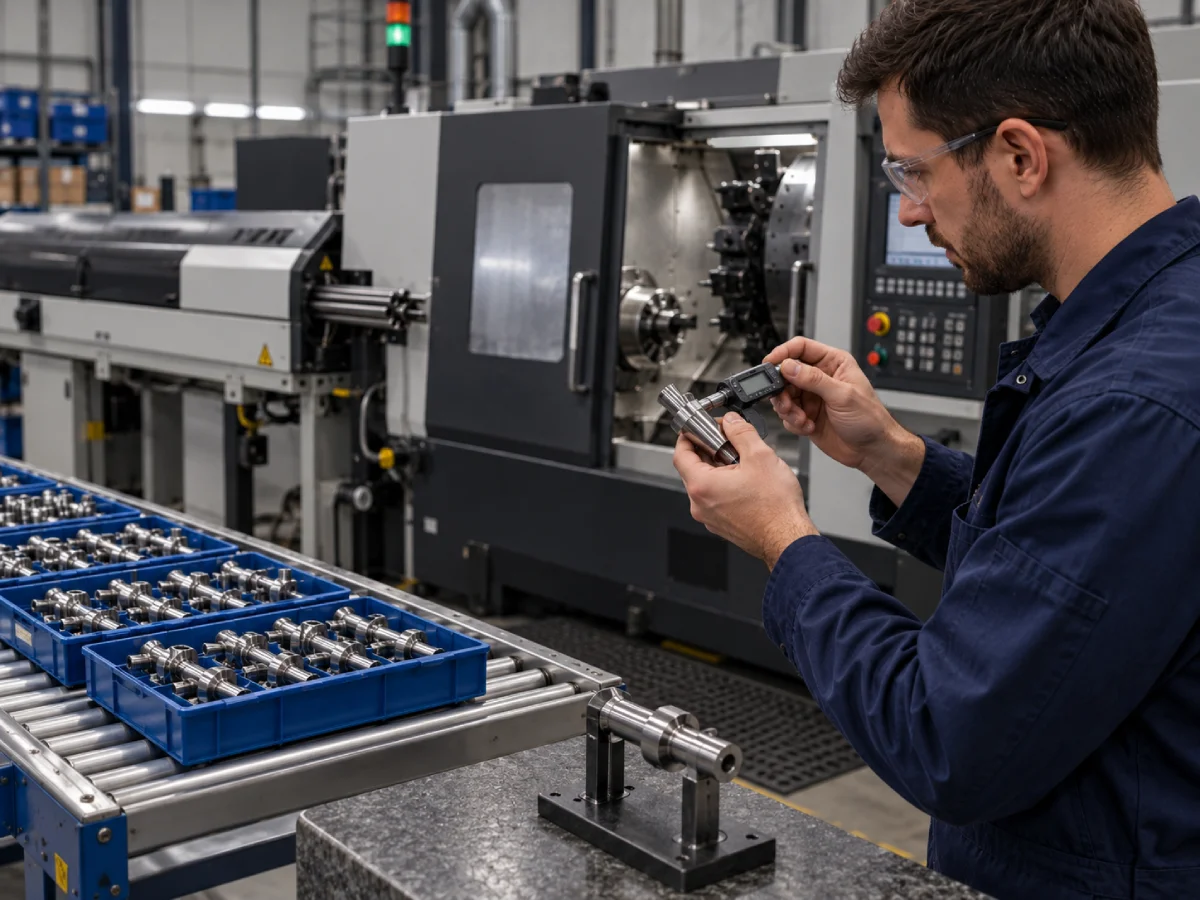
Effective revision control helps manufacturers to:
- Communicate Drawing Changes Quickly: Directly to the manufacturing team.
- Assess The Production Impact: Before machining begins.
- Reduce The Risk Of Obsolete Revisions: Entering production.
- Review Manufacturability: Following design changes.
- Maintain Continuity: Between development and repeat production.
The Design for Manufacture capability at Subcon Group, allows component designs and revisions to be reviewed with manufacturing requirements at the forefront. Combined with the team’s expert precision machining and inspection capabilities, it establishes a vital controlled route from the latest engineering drawing through to the finished component.
Keeping Prototype And Production Knowledge Together
Many precision-engineered components begin as prototypes. The first version may prove fit and function, while subsequent versions address issues identified during testing before the component moves into repeat manufacture. Changing machining suppliers between these stages can mean losing useful manufacturing knowledge and requiring a new supplier to establish processes that have already been developed elsewhere.
Maintaining the relationship with the same manufacturing partner provides continuity as the component develops. Knowledge gained during prototyping can inform subsequent production, including machining sequences, tooling requirements, workholding and inspection considerations. This makes the transition from development to repeat manufacture more direct and reduces unnecessary duplication.
Continuity from prototype to production provides:
- Retention Of Manufacturing Knowledge: Developed during early-stage machining.
- A Smoother Transition To Production: As quantities increase.
- Greater Consistency: Between prototype and production components.
- Reduced Supplier Duplication: During different project stages.
- Single Point Of Manufacturing: Communication through component’s development.
Reducing The Number Of Suppliers Involved
A finished precision component may require more than machining alone. Heat treatment, surface engineering and inspection can all form part of the manufacturing route, depending on the component and the final application. When each operation is managed by a different supplier, manufacturers must coordinate multiple orders, transport movements, schedules and points of contact. This can add administration and make it more difficult to maintain visibility across the complete production process.
Bringing more of these capabilities together simplifies the supply chain. Fewer external handovers reduces component handling and transport requirements while creating a more connected approach to production. This can be particularly valuable where subsequent processing affects the final dimensional, mechanical or surface characteristics of the component and so needs to be considered alongside machining.
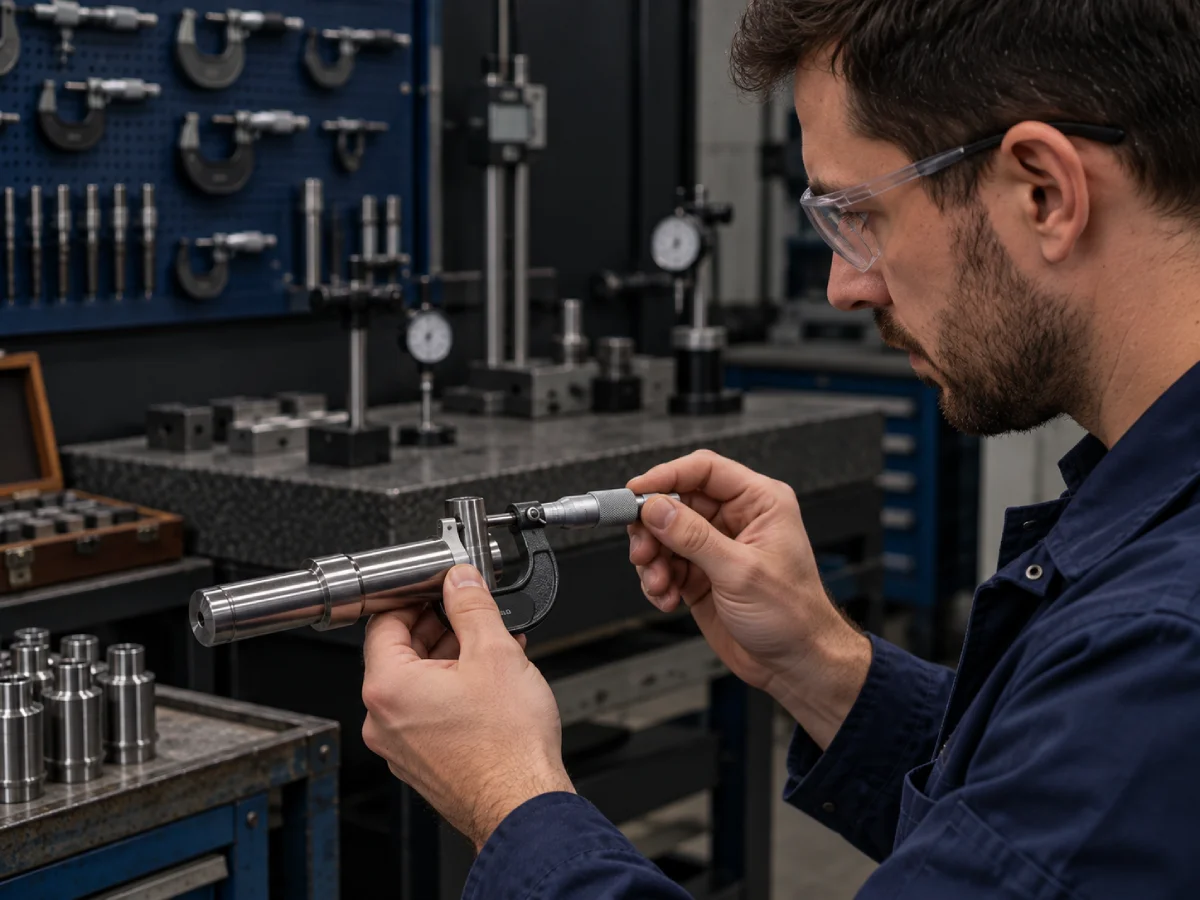
Reducing supplier involvement helps with:
- Fewer Subcontract Orders To Manage: Across the whole manufacturing route.
- Reduced Component Handling: Between different suppliers.
- Simpler Production Scheduling: Across machining and subsequent processes.
- Less Transport Between Operations: Where processes can be coordinated.
- Greater Manufacturing Visibility: From machining through to finished components.
The Design for Manufacture capability at Subcon Group, allows component designs and revisions to be reviewed with manufacturing requirements at the forefront. Combined with the team’s expert precision machining and inspection capabilities, it establishes a vital controlled route from the latest engineering drawing through to the finished component.
Reducing The Number Of Suppliers Involved
By choosing Subcon Group as an onshore machining partner, manufacturers gain more than a local supplier. The alignment builds a responsive engineering extension of the manufacturer’s team. Subcon Group strengthens the entire manufacturing workflow. With UK‑based engineers available to address technical questions directly, production requirements can be refined in real time and design changes can be evaluated before costly downstream issues arise.
The partnership enables faster decision‑making, clearer communication and a more controlled development cycle, particularly when components demand tight tolerances, specialist materials or complex geometries. Subcon Group supports better outcomes, faster turnaround times and a more resilient manufacturing strategy built for modern industry demands.